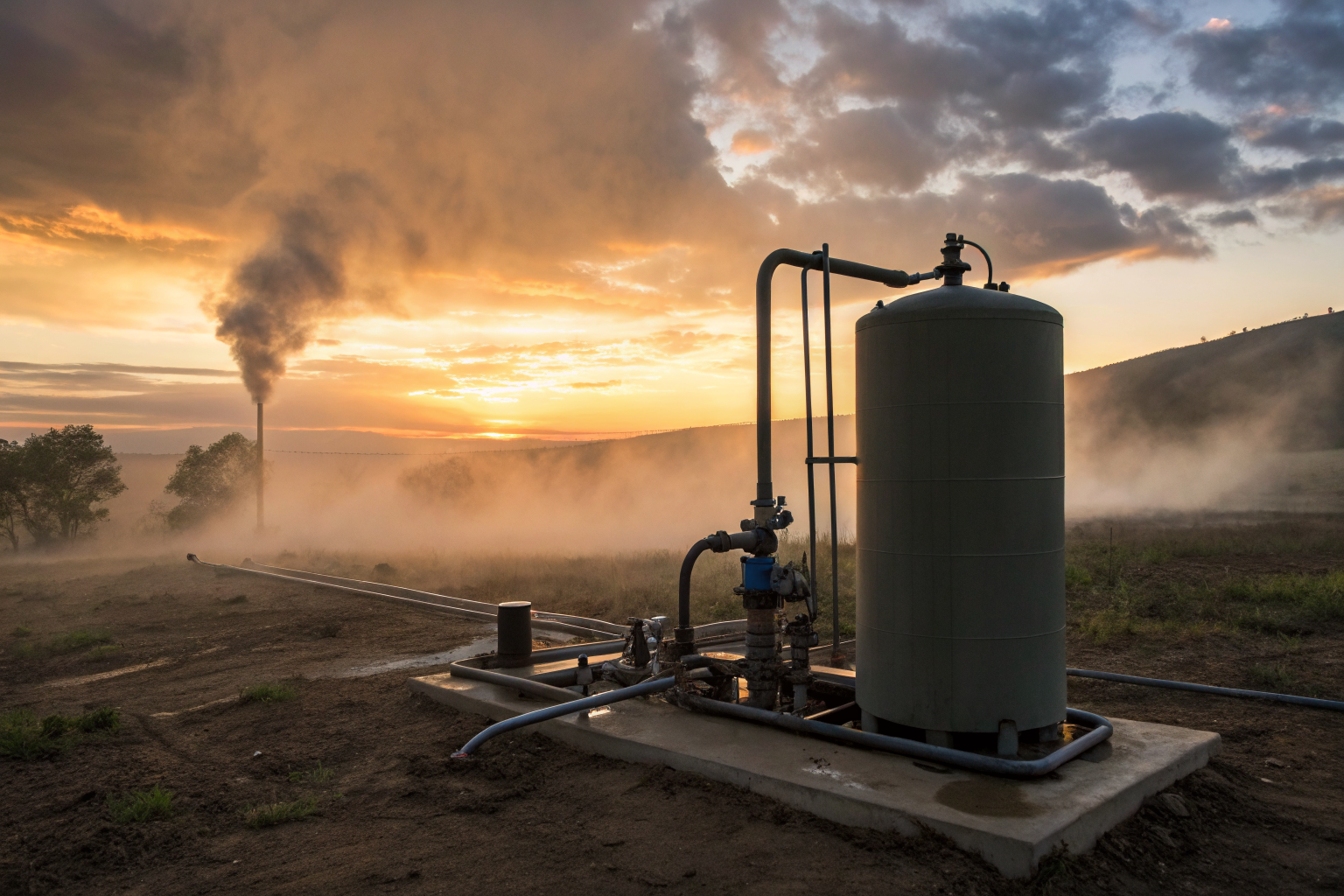
Every first time well owner guide starts with this reality: You just bought a house with a well, and nobody told you that you’re now responsible for your family’s water safety with zero regulatory oversight.
Key Takeaways:
- Private wells have zero EPA regulation, you’re responsible for testing and treating your water supply
- Your pressure tank needs professional service every 3-5 years to prevent costly pump replacement
- Emergency well problems cost $3,000-$8,000 after hours, preventive maintenance costs under $300 annually
What Are the Essential Components of Your Private Well System?
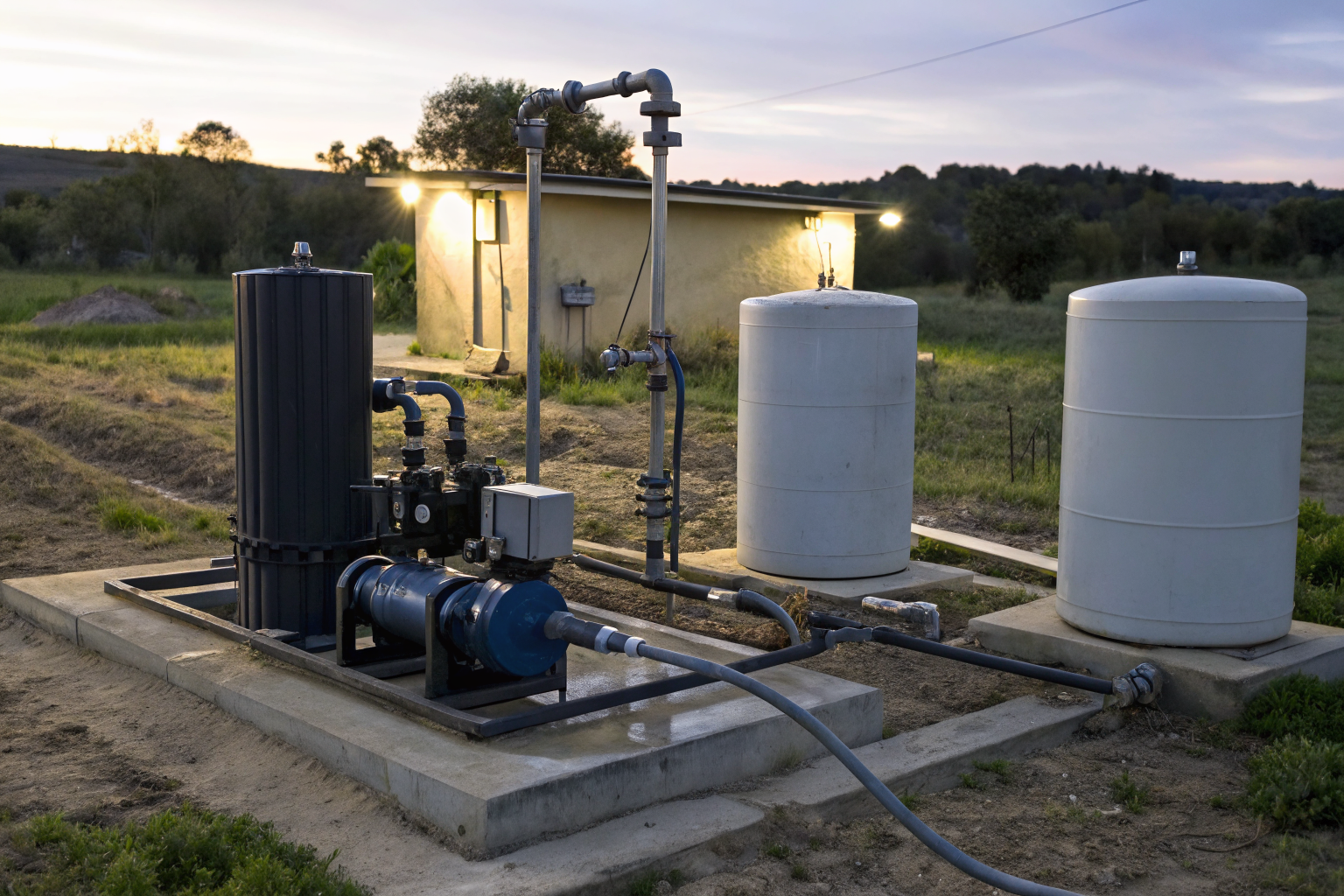
A private well system is a network of mechanical components that extract groundwater and deliver it to your house under pressure. This means you’re operating a small-scale water utility with pumps, tanks, and electrical controls that can fail without warning.
Well casing is the steel or PVC pipe that lines your drilled hole and prevents contamination from surface water. Your well pump system sits inside this casing, typically 100-400 feet below ground, and pushes water up through the drop pipe to your house. The pressure tank stores water under pressure so your pump doesn’t cycle on every time you turn on a faucet.
The pressure switch controls when your pump runs. Pressure tanks typically maintain 20-40 PSI operating range, with the switch turning the pump on at 20 PSI and off at 40 PSI. When this switch fails, your pump either runs constantly or never starts.
Your wellhead, the visible portion above ground, houses the electrical connections and provides access for maintenance. The cap should be tight and the area around it sloped to prevent surface water from entering your well. Water lines run from the wellhead to your house, usually buried below the frost line.
Each component can fail independently. Pump motors burn out after 8-15 years. Pressure tanks develop leaks or lose their air charge. Pressure switches stick or corrode. Water lines freeze or break. The most expensive failure is pump replacement, which requires pulling hundreds of feet of pipe and electrical cable.
What Are Your Legal Responsibilities as a Private Well Owner?
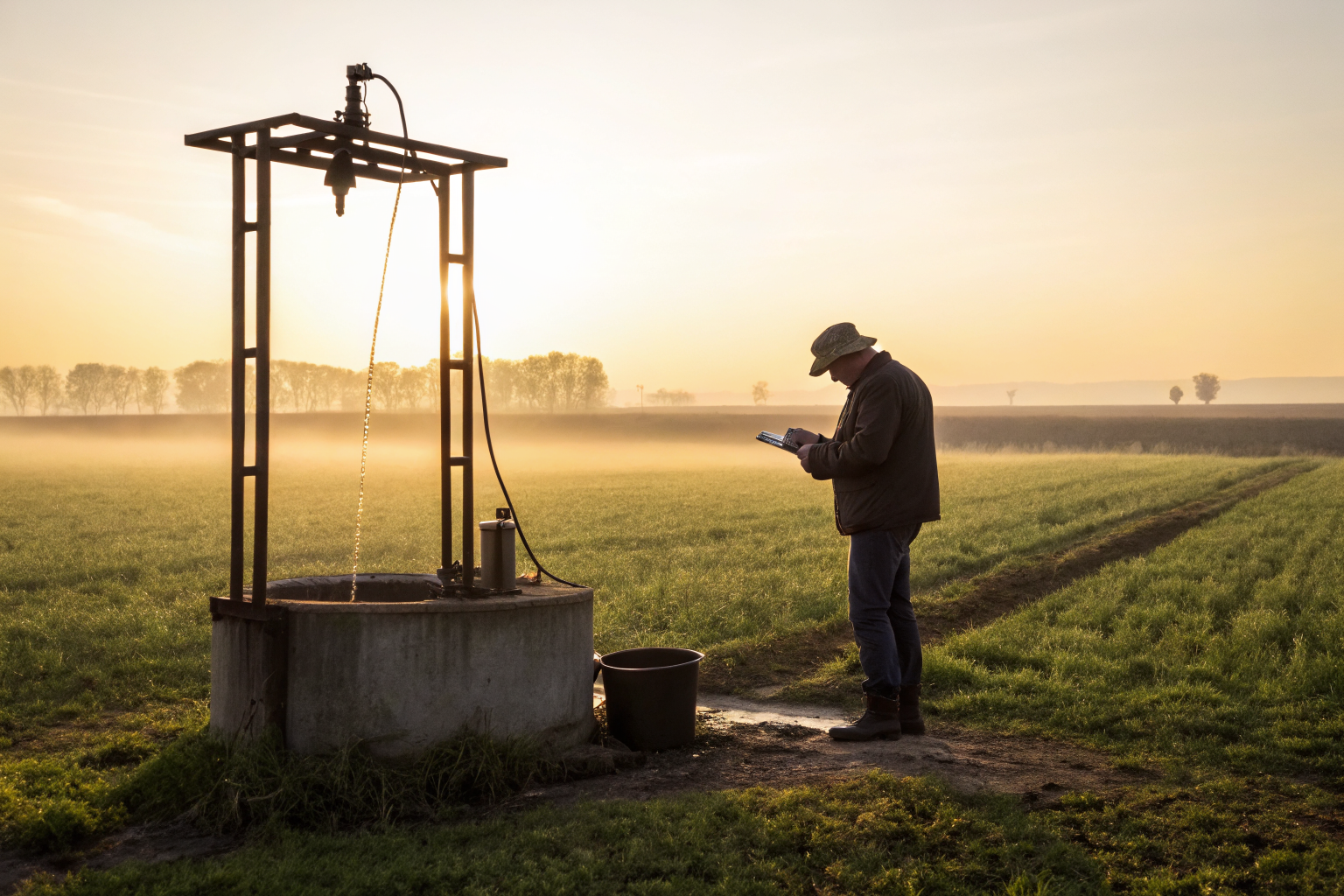
Well owners are responsible for water safety and system maintenance with zero government oversight or support. The Safe Drinking Water Act explicitly excludes private wells from EPA regulation, leaving 43 million Americans to monitor their own water quality.
| Responsibility | Well Owner | City Water Customer |
|---|---|---|
| Water quality testing | Pay for all testing | Utility tests, reports publicly |
| Treatment system maintenance | All costs and labor | Included in water bill |
| Emergency repairs | $3,000-$8,000 out of pocket | Utility handles at no charge |
| Liability for illness | Full legal and financial | Utility insurance covers |
| Equipment replacement | $1,500-$6,000 every 10-20 years | Utility infrastructure costs |
You’re legally liable if contaminated well water makes someone sick on your property. Homeowner’s insurance rarely covers water-related illness claims, especially if you haven’t been testing regularly. Some states require well testing during property sales, but ongoing testing is entirely voluntary.
Property maintenance includes keeping your wellhead accessible, maintaining proper drainage around the well, and preventing contamination sources near your wellhead. You need at least 50 feet between your well and any septic system, 100 feet from livestock areas, and 10 feet from property lines.
FHA and VA loans require bacterial testing for purchase approval, but once you close, no government agency tracks whether you continue testing. The responsibility transfers completely to you as the homeowner.
When Should You Test Your Well Water in Your First Year?
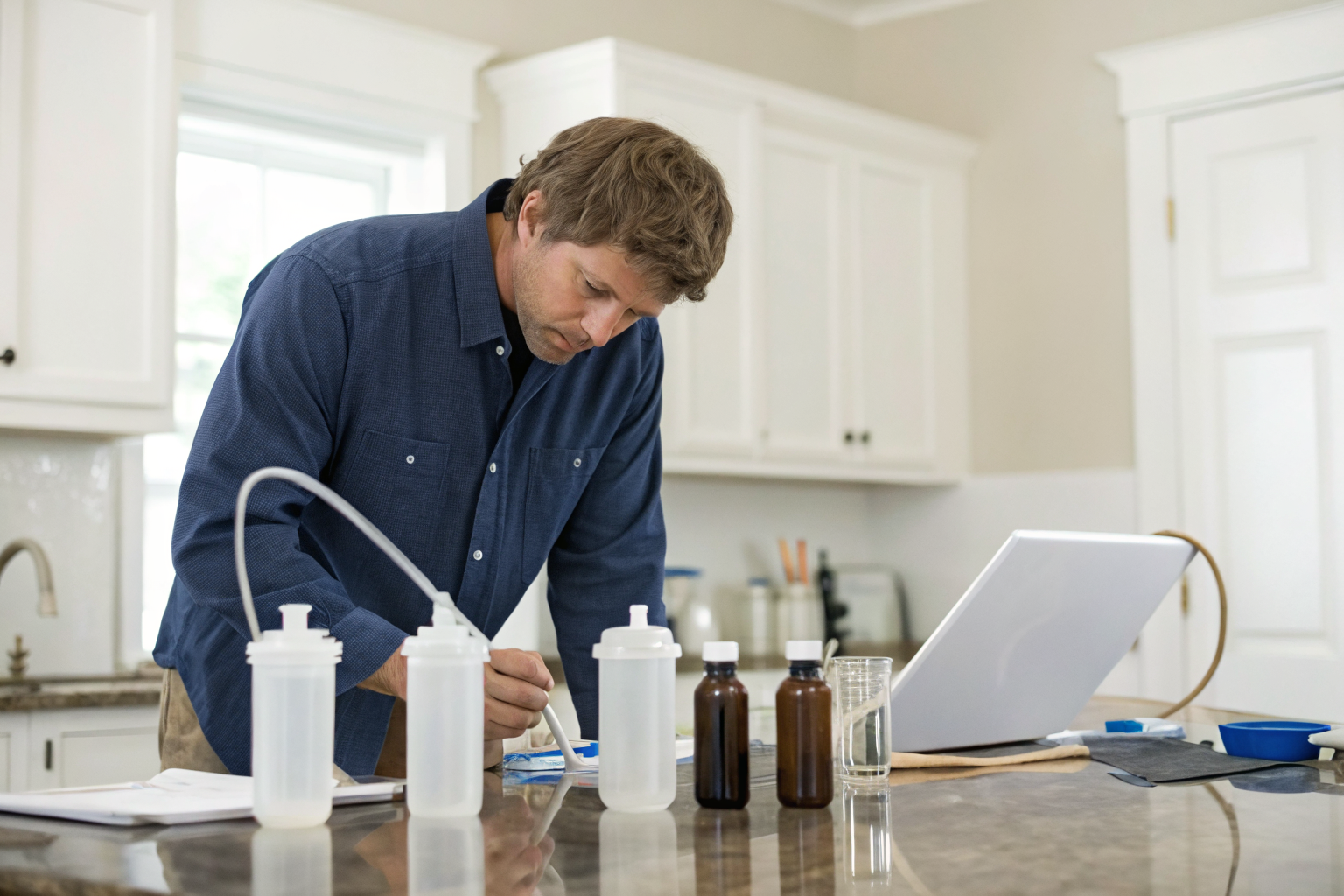
First year testing schedule requires baseline and seasonal testing to establish your water’s normal chemistry and identify any contamination patterns.
Test immediately after closing for coliform bacteria, nitrate, and basic chemistry panel. New well owners should test within 30 days of move-in for bacteria and basic chemistry to establish baseline safety.
Retest bacteria after any work on your well system, including pump installation, well cleaning, or any time the wellhead is opened. Bacteria can enter during maintenance.
Schedule seasonal testing in spring and fall to catch contamination from snowmelt, flooding, or changes in groundwater flow patterns.
Test after heavy contamination events like flooding, nearby chemical spills, or new construction that could affect groundwater quality.
Get annual comprehensive testing that includes arsenic, lead, PFAS, and other health-risk contaminants that don’t show obvious symptoms.
Move-in emergency testing should focus on bacteria and nitrate because these pose immediate health risks. Other contaminants like arsenic or PFAS cause long-term health effects but won’t hurt you in the first month. Test results take 3-5 business days from state-certified labs, so use bottled water for drinking and cooking until results confirm safety.
How Do You Handle Common Well Water Emergencies?
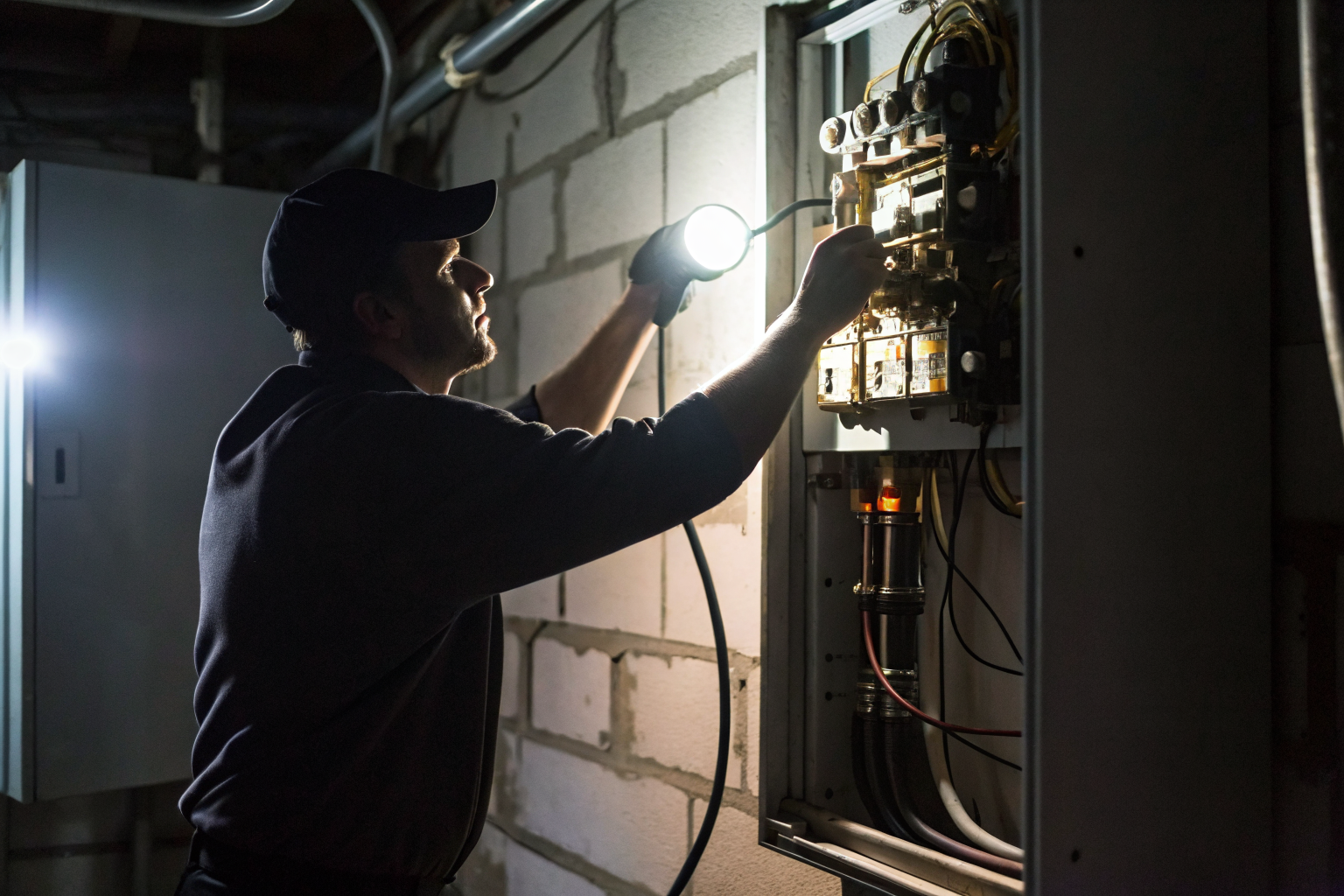
Emergency procedures prevent costly system damage and protect your family’s health when well problems strike outside business hours.
- No water at taps: Check your electrical panel for tripped breakers, then check the pressure switch for proper operation before calling for service. Most “no water” calls are electrical issues, not pump failure.
- Contaminated water appearance: Stop using the water immediately for drinking or cooking, collect a sample for testing, and switch to bottled water until lab results confirm safety.
- Pump cycling rapidly: This indicates pressure tank failure or a major leak in your system. Turn off the pump at the breaker to prevent motor damage and call for emergency service.
- Strange tastes or smells: Document when it started, what it smells/tastes like, and whether it’s from hot water only or both hot and cold before calling professionals.
Well pump replacement costs $1,200-$3,500 but emergency service adds 150-300% to base price. After-hours service calls start at $200 just to diagnose the problem, and weekend/holiday rates can hit $150 per hour.
Never attempt electrical repairs on submersible pumps. The combination of electricity and water is deadly, and you can electrocute yourself or damage expensive equipment. Know where your pump’s electrical disconnect is located and how to turn it off safely.
What Does Annual Well System Maintenance Actually Involve?
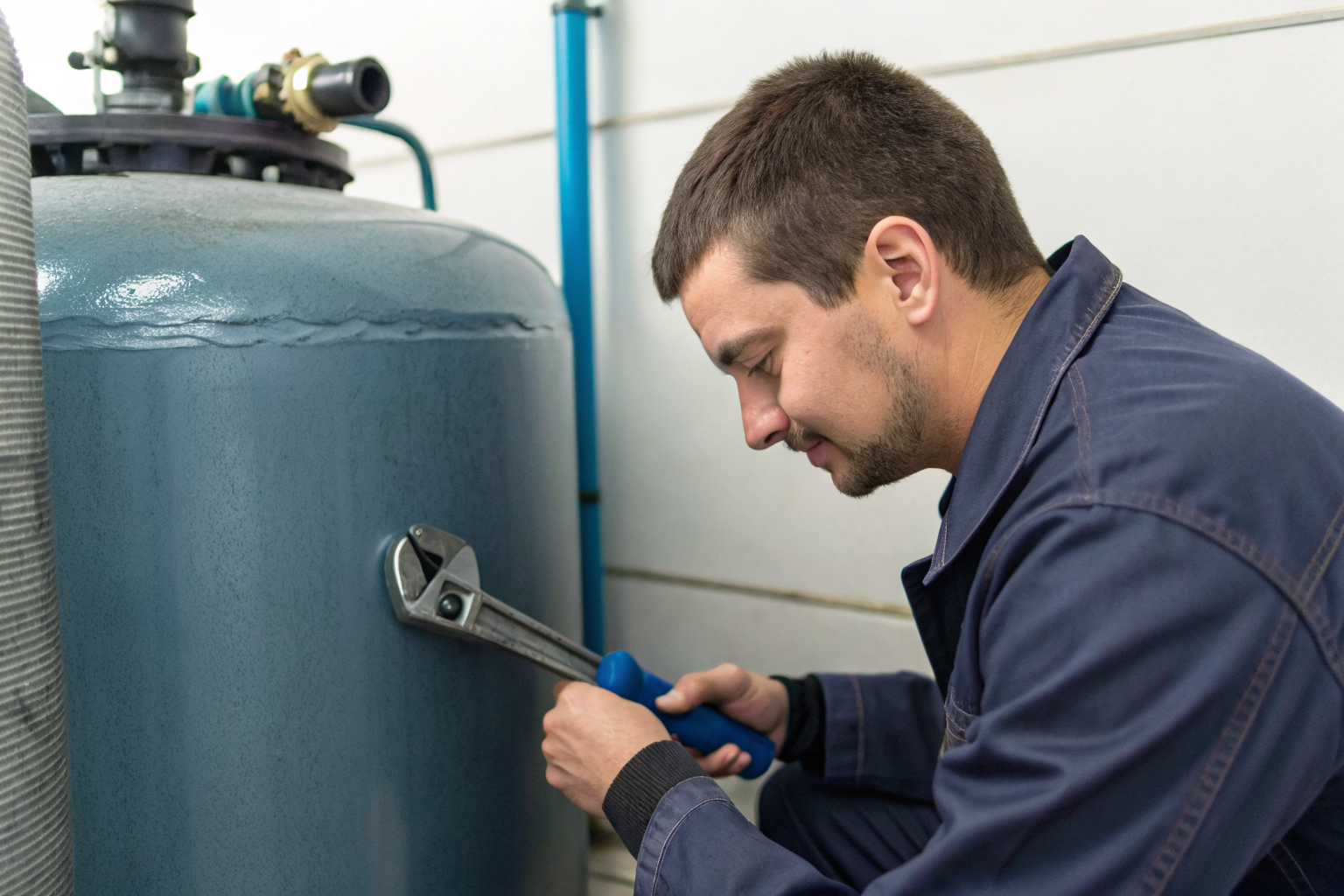
Well maintenance calendar prevents system failure and contamination through routine inspections and professional service that costs far less than emergency repairs.
Check pressure tank monthly by tapping it with a wrench, it should sound hollow on top and solid on bottom. If it sounds solid throughout, the tank has lost its air charge.
Inspect wellhead quarterly for cracks in the cap, proper drainage around the well, and any contamination sources that have moved closer to your wellhead.
Test pressure switch annually by running water until the pump starts, then checking that it shuts off at the correct pressure. Most switches fail gradually.
Schedule professional service every 3-5 years for pressure tank service, electrical connection inspection, and pump performance testing before components fail.
Perform shock chlorination annually or after any contamination event to disinfect your well and distribution system.
Annual well system maintenance costs $200-$400 but prevents 80% of emergency service calls. Professional service includes pressure tank air charge adjustment, electrical connection tightening, and pump amperage testing to catch problems early.
Shock chlorination involves adding chlorine bleach to your well, circulating it through your entire system, then flushing until the chlorine smell disappears. This kills bacteria but doesn’t address chemical contamination or system mechanical problems.
How Do You Size and Choose Treatment Systems for Your Well?
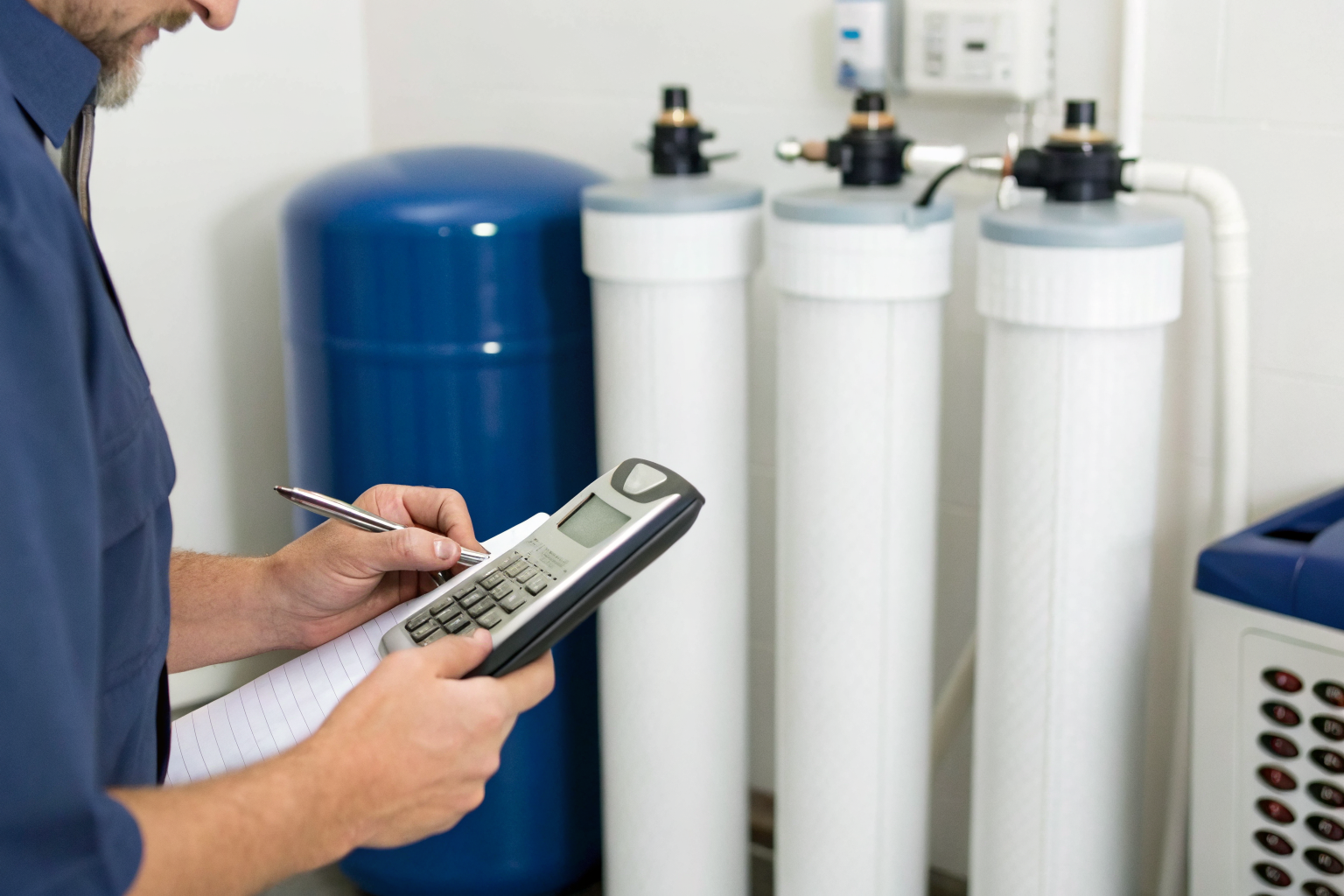
Treatment system sizing depends on water chemistry and household demand, requiring calculations that account for peak usage and system efficiency losses.
| System Type | Sizing Factor | Typical Flow Rate | Regeneration/Replacement |
|---|---|---|---|
| Iron filter | 1.5x peak demand + backwash | 7-15 GPM | Weekly backwash cycle |
| Water softener | Daily usage ÷ grain capacity | 5-12 GPM | Every 3-7 days |
| UV disinfection | Peak flow rate match | 6-25 GPM | Annual bulb replacement |
| Reverse osmosis | 4:1 waste ratio calculation | 0.5-1 GPM output | Filter changes every 6-24 months |
Treatment system sizing requires 1.5x peak demand calculation plus 20% safety margin to handle simultaneous usage from multiple fixtures. A family of four typically needs 8-12 GPM peak flow rate for whole-house systems.
Installation sequence matters when you need multiple treatment systems. Iron removal comes before water softening. UV disinfection comes after filtration. Reverse osmosis installs at point-of-use after whole-house systems.
Professional installation is required for electrical connections, UV systems, and any treatment that modifies your main water line. DIY installation works for simple carbon filters and some iron filters that don’t require electrical connections.
Undersized treatment systems fail quickly under peak demand. Oversized systems waste water and energy during regeneration cycles. Most treatment failures result from improper sizing rather than equipment defects.
Frequently Asked Questions
What should I do first when buying a house with a well?
Test the water within 30 days of closing for bacteria and basic chemistry. This establishes your baseline water quality and identifies any immediate health risks that need emergency treatment before your family uses the water.
How much should I budget for well ownership costs each year?
Budget $500-$800 annually for routine testing ($200), preventive maintenance ($300), and minor repairs. Emergency pump or pressure tank failure can add $1,500-$4,000 to your costs in any given year.
Can I drink the water immediately after moving into a house with a well?
Don’t drink the water until you get bacterial testing results back from a state-certified lab. Use bottled water for drinking and cooking until you confirm the water is safe, this typically takes 3-5 business days after sample collection.
What are the biggest mistakes new well owners make?
Skipping immediate water testing, ignoring pressure tank maintenance, and trying to DIY electrical pump repairs. These mistakes typically cost $2,000-$5,000 to fix compared to $200-$400 for preventive care.