Free download: The Well Owner's Cheat Sheet — what to test, how often, and what your results mean. Get It Free →

Tagged: well water safety

Treating Arsenic, PFAS, Nitrate, and Lead in Well Water
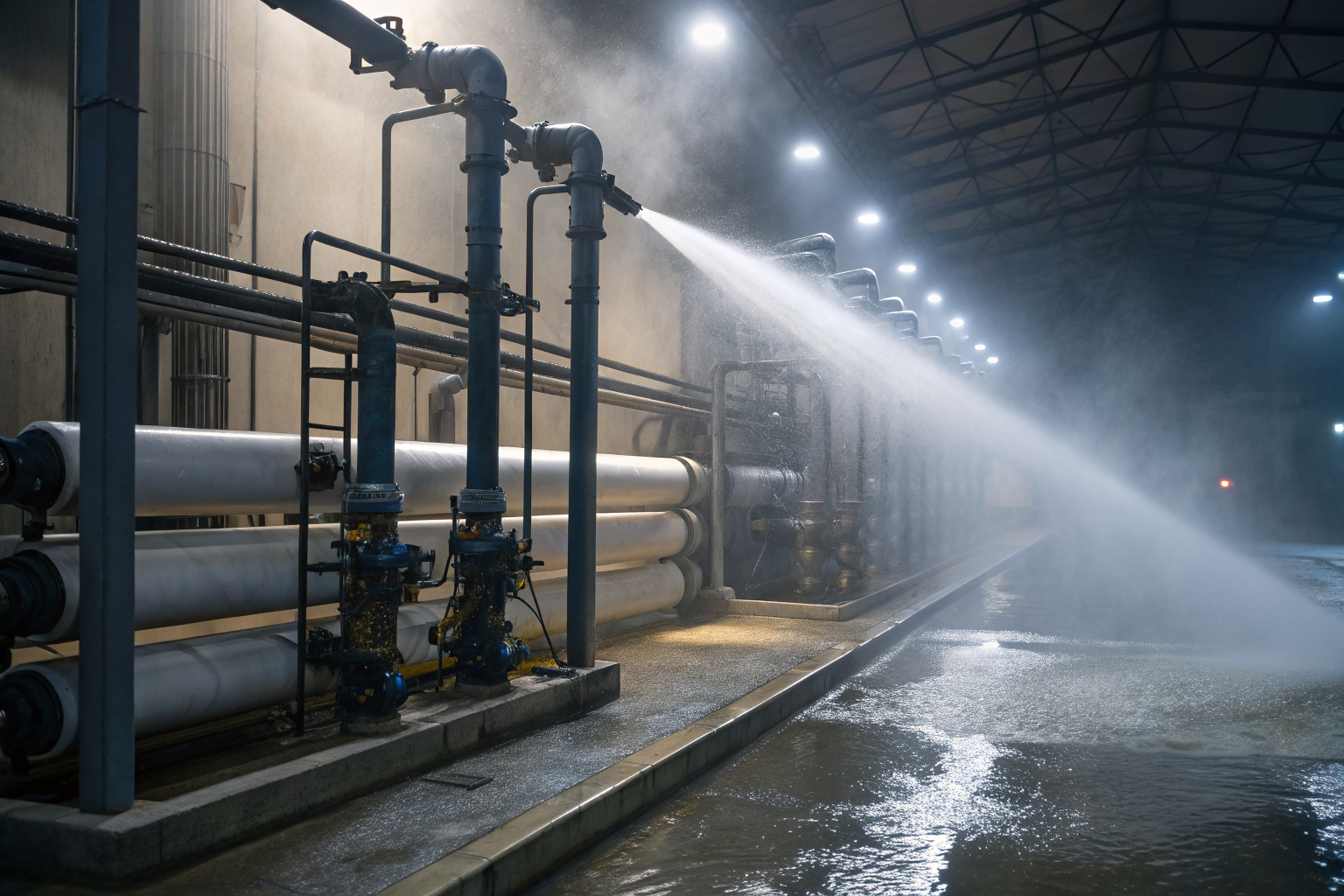
Reverse osmosis system filtering contaminated water in a dramatic scene.

Arsenic in well water treatment demands precision because arsenic, PFAS, nitrate, and lead don’t announce themselves in your well water, they’re invisible, tasteless, and slowly accumulating in your family’s tissues while you assume your water is safe. Key Takeaways: • Reverse osmosis removes 95%+ of arsenic, lead, and PFAS but requires 4-6 gallons of wastewater … Read more
First-Time Well Owner: Everything You Need to Know About Your Water System

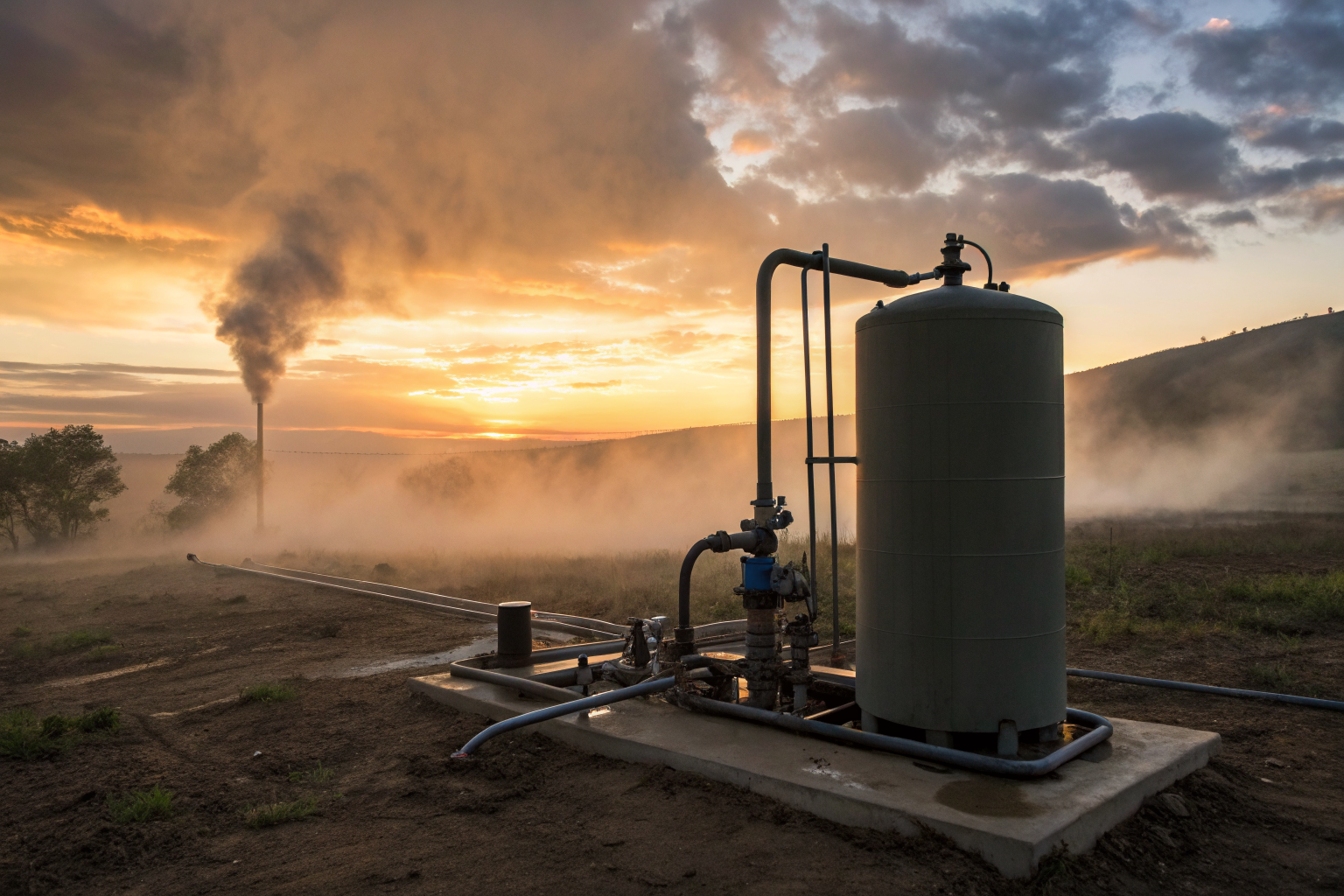
Private well system with pump and pressure tank against a dramatic sunset.

Every first time well owner guide starts with this reality: You just bought a house with a well, and nobody told you that you’re now responsible for your family’s water safety with zero regulatory oversight. Key Takeaways: Private wells have zero EPA regulation, you’re responsible for testing and treating your water supply Your pressure tank … Read more

Is Well Water Safe to Drink? What the Science Actually Says

A rural well in a scenic setting, emphasizing water safety themes.

Is well water safe to drink? The 43 million Americans on private wells have zero federal oversight, but that doesn’t make their water unsafe. It makes them responsible for their own safety assessment. Key Takeaways: Private wells are exempt from EPA regulation under the Safe Drinking Water Act, no government agency monitors your water quality … Read more

Heavy Metals in Well Water: What to Test For and When

Testing water from a private well, with dramatic lighting and fog.

Well water testing for heavy metals separates dangerous contamination from aesthetic annoyances. Six heavy metals lurk in private wells across America, and only three require emergency action, but you won’t know which ones without the right tests. Key Takeaways: Lead requires first-draw sampling within 6 hours of last water use, standard flushed samples miss the … Read more

Nitrate in Well Water: Why It’s the One Test You Can’t Skip

Rural landscape with well and fertilizer runoff, dramatic lighting.

Well water testing for nitrates isn’t optional when you have infants in the house. Nitrate is the silent well water contaminant that turns drinking water into a potential death sentence for babies, and 43% of private wells tested in agricultural areas exceed safe levels. Key Takeaways: Nitrate above 10 mg/L causes blue baby syndrome in … Read more

Well Water Contaminants: What to Test For and Why It Matters

Technician testing water sample in a high-tech lab with dramatic lighting.

Well water quality testing faces a brutal reality: your well could contain over 150 potential contaminants, but testing for everything would cost thousands. Here’s how to prioritize what matters for your family’s safety and your wallet. Key Takeaways: • Health-risk contaminants (bacteria, arsenic, nitrate, lead) require immediate testing and treatment, aesthetic issues can wait• Regional … Read more

Your Well Water Test Came Back Bad — Now What?

Dramatic scene of a well with ominous glow and volumetric fog.

A failed well water test means your lab report shows contaminant levels above EPA standards, leaving you staring at numbers wondering if your family needs bottled water tonight or if you have months to research treatment options. Key Takeaways: Stop using well water immediately for drinking if bacteria, nitrate exceeds 10 mg/L, or arsenic exceeds … Read more

EPA Drinking Water Standards for Well Owners: MCLs Explained

EPA officer inspecting a rural well with dramatic lighting and fog.

EPA well water standards provide the only safety benchmarks you have to evaluate whether your private well water is safe to drink, even though they don’t legally apply to you. This regulatory gap leaves 43 million Americans responsible for interpreting well water test results against federal limits with no enforcement backup. Key Takeaways: • Primary … Read more