
Well water treatment systems won’t fix your water problems unless you match the right technology to your specific contaminants. You got your water test results back and the numbers are bad, now you need to figure out which treatment system will actually fix your specific water chemistry without getting sold a $6,000 system you don’t need.
Key Takeaways:
• Contaminant type determines technology, iron filters won’t remove bacteria, and water softeners can’t handle arsenic
• Flow rate sizing prevents pressure drops, a 4-person household needs 8-10 GPM minimum capacity
• Budget tiers range from $300 point-of-use units to $5,000+ whole-house systems with different performance tradeoffs
How Do You Match Treatment Technology to Your Specific Contaminants?

Contaminant type requires specific treatment technology. This means you can’t just buy any system and expect it to work, your water chemistry analysis determines which technology will succeed and which will fail.
Most well owners make expensive mistakes because they don’t understand technology specificity. Water softeners cannot remove bacteria, arsenic, PFAS, or nitrate, yet they’re the most commonly oversold system to well owners. A softener only removes hardness minerals like calcium and magnesium through ion exchange. Period.
Here’s what actually works for each major well water contaminant group:
| Contaminant Type | Required Technology | Common Mistakes |
|---|---|---|
| Bacteria/E.coli | UV disinfection or chlorination | Thinking filtration kills germs |
| Iron (dissolved) | Oxidation + filtration or ion exchange | Using softener for high iron |
| Arsenic | Reverse osmosis or specialized media | Assuming carbon filters work |
| Hardness | Ion exchange (water softener) | Using for non-hardness problems |
| PFAS | Reverse osmosis or activated carbon | Hoping any filter removes it |
| Nitrate | Reverse osmosis or ion exchange | Thinking boiling helps |
| Hydrogen sulfide | Oxidation + carbon or specialized media | Using basic carbon filters |
The technology matching gets more complex when you have multiple contaminants. Iron and bacteria together need sequential treatment, oxidation and filtration for iron, then UV for bacteria. Hardness plus arsenic requires a water softener followed by RO, not just one system.
Your water chemistry analysis shows exact concentrations, pH, and other factors that affect treatment performance. Iron filters work differently at pH 6.5 versus pH 7.5. RO systems struggle with high TDS levels. These details determine which specific equipment will work in your conditions.
Testing first, then treatment selection prevents the $3,000 mistakes I see weekly, homeowners buying iron filters for bacteria problems or installing $5,000 systems for issues a $400 carbon filter would handle.
What’s the Real Cost Breakdown for Well Water Treatment Systems?
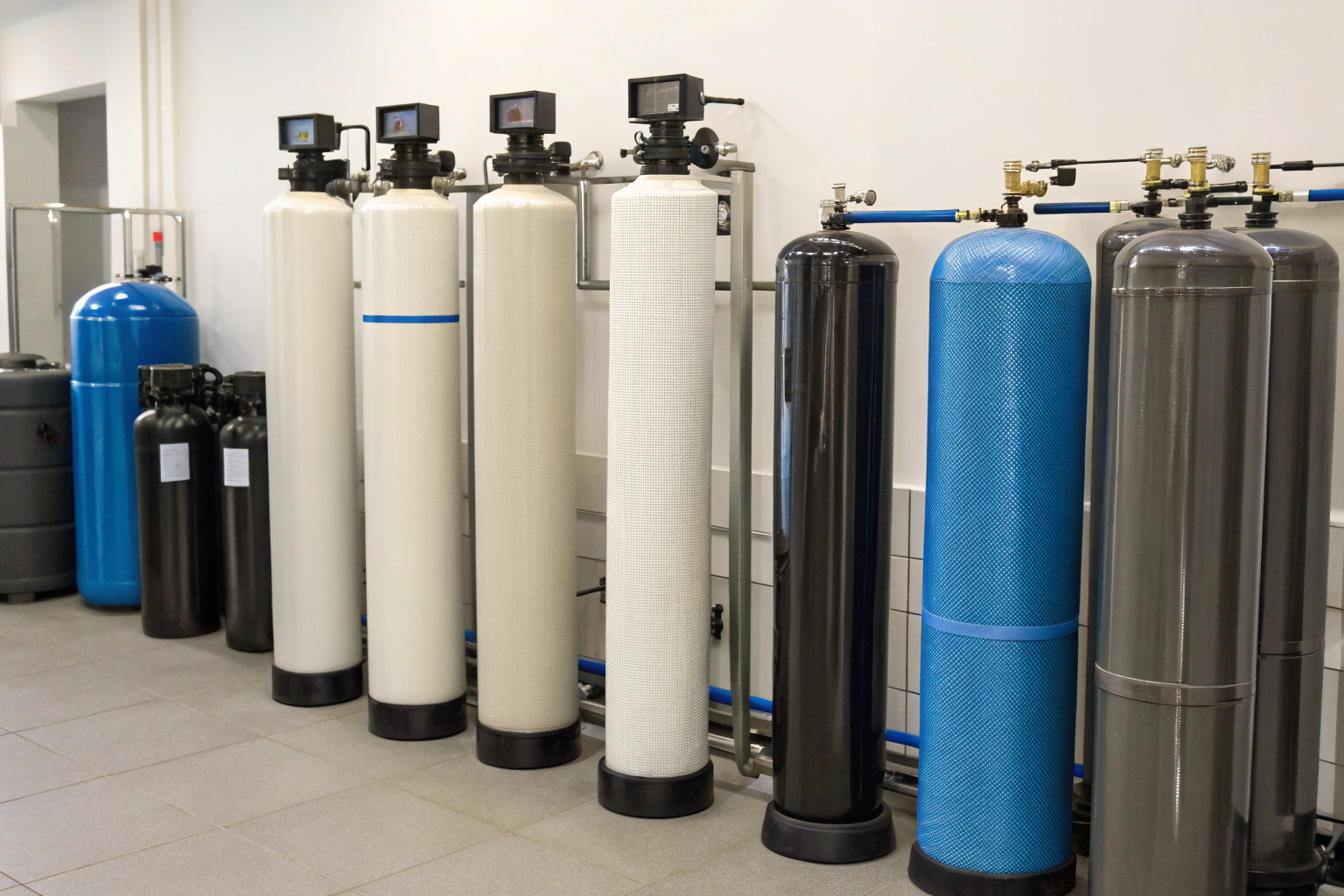
Treatment system cost varies by technology tier and installation complexity. Entry-level whole-house systems start at $800-1,500, mid-tier systems run $2,000-4,000, high-end multi-stage systems cost $4,000-8,000+.
The sticker price tells only half the story. Installation complexity drives real costs higher than equipment prices suggest. Simple cartridge systems need basic plumbing connections. Multi-stage systems require electrical work, drain lines, bypass valves, and pressure tank modifications.
| Cost Category | Budget Tier | Mid-Tier | Premium Tier |
| — | — | — |
| Equipment Cost | $300-1,500 | $1,500-4,000 | $4,000-8,000+ |
| Installation Cost | $200-500 | $500-1,200 | $1,000-2,500 |
| Annual Maintenance | $100-200 | $200-400 | $300-600 |
Whole house filtration systems cost more upfront but treat every water outlet. Reverse osmosis systems provide the highest contaminant removal but only treat one faucet unless you install multiple units.
Budget systems work for simple problems, basic sediment, chlorine taste, or light hardness. They use standard filter cartridges and simple designs. Mid-tier systems handle multiple contaminants with better flow rates and longer service intervals. Premium systems tackle complex water chemistry with custom media, automated controls, and commercial-grade components.
The hidden costs hit you annually. Filter replacements, salt for softeners, UV lamp changes, and professional service calls add up. A $1,000 system might cost $2,500 over five years when you factor ongoing expenses.
Don’t finance treatment systems through the installer. Equipment financing typically carries 18-24% interest rates that double your real cost. Buy the system outright or use a home equity line at 6-8% if you need financing.
Should You Choose Whole House or Point-of-Use Treatment?

Installation location determines treatment coverage and cost efficiency. Point-of-use systems treat water at one faucet, whole house systems treat all water entering your home.
The decision comes down to contamination type and usage patterns. Health-risk contaminants like bacteria, arsenic, or PFAS need whole-house protection because you shower, brush teeth, and cook with that water. Aesthetic issues like iron staining or hardness might only need point-of-use treatment at kitchen and bathroom sinks.
| Factor | Whole House | Point-of-Use |
|---|---|---|
| Coverage | All fixtures and appliances | Single faucet or area |
| Cost per gallon | $0.02-0.05 over 10 years | $0.10-0.15 per gallon |
| Installation complexity | High (main line tie-in) | Low (under-sink typical) |
| Maintenance access | Basement/utility room | Kitchen cabinet |
| Flow rate capacity | 8-15+ GPM | 0.5-2 GPM |
Point-of-use RO systems cost $0.10-0.15 per gallon treated, whole-house systems cost $0.02-0.05 per gallon over 10 years. If you only drink and cook with treated water, point-of-use makes financial sense. If you need protection from bacteria or want to eliminate iron staining throughout the house, whole-house becomes cost-effective.
Whole-house systems require space, electrical access, and drain connections at your main water line. Point-of-use systems fit under kitchen sinks or in utility closets. Installation complexity affects both upfront costs and ongoing service accessibility.
Some contaminants demand whole-house treatment regardless of cost. You can’t shower safely in bacteria-contaminated water or let arsenic damage your appliances. Water chemistry analysis reveals which contaminants require comprehensive treatment versus targeted removal.
How Do You Size Treatment Systems for Your Home’s Water Demand?

Flow rate requirements determine treatment system sizing specifications. A 3-bedroom home needs minimum 8 GPM flow rate, undersized systems drop pressure during peak use like morning showers.
Calculate your peak demand by counting simultaneous water uses. Two showers plus dishwasher plus washing machine equals 12-15 GPM peak demand.
Add 20% buffer capacity for pressure maintenance. Treatment systems reduce flow rates by 10-30% depending on technology and filter condition.
Check your well pump capacity against treatment system requirements. A 5 GPM well pump can’t support a 10 GPM treatment system effectively.
Size pressure tanks appropriately for treated water storage. Whole-house systems need 60-80 gallon pressure tanks minimum to prevent short cycling.
Account for elevation changes and pipe friction losses. Upstairs bathrooms need higher pressure at the treatment system to maintain adequate flow.
Match treatment technology to flow requirements. RO systems produce 0.5-2 GPM maximum, iron filters handle 10-15 GPM, UV systems manage 15-20+ GPM.
Undersized systems create pressure drops that make showers weak and appliances malfunction. Oversized systems waste money on capacity you’ll never use and can cause short cycling issues with pressure tanks.
Treatment reduces available flow rates differently by technology. Carbon filters drop pressure minimally, iron oxidation systems reduce flow 15-25%, RO systems need pressure booster pumps for adequate production.
Water chemistry analysis includes flow rate testing that shows your current system capacity. Compare this to household demand calculations before selecting treatment system size.
What Are the Long-Term Ownership Costs Beyond the Purchase Price?

Treatment system ownership requires ongoing maintenance and replacement costs. RO membrane replacements cost $150-300 every 2-3 years, carbon filter changes run $50-150 annually for whole-house systems.
• Filter replacements vary by technology and water quality, sediment filters need quarterly changes in dirty water, carbon filters last 6-12 months, specialty media lasts 3-5 years before regeneration or replacement
• Professional service requirements include annual UV lamp changes ($80-120), water softener salt delivery ($15-25 monthly), and system sanitization procedures ($150-250 annually)
• Component replacement schedules follow predictable patterns, pressure switches fail every 5-7 years, UV sterilizers need ballast replacement every 8-10 years, RO storage tanks develop leaks after 10-12 years
• Energy costs for powered systems add $50-200 annually, UV systems run continuously, RO booster pumps cycle frequently, iron oxidation systems need air compressors
• Water waste from RO systems costs $100-300 yearly in additional well pump electricity and septic system load from reject water
• Performance monitoring requires annual water testing ($150-300) to verify treatment effectiveness and catch problems before they become expensive failures
Water chemistry affects maintenance frequency dramatically. High iron accelerates filter clogging, low pH corrodes system components, bacteria growth fouls UV sleeves and requires more frequent cleaning.
Budget $300-800 annually for system maintenance regardless of technology. Complex multi-stage systems cost more to maintain but often provide better long-term value through superior treatment and longer component life.
Frequently Asked Questions
What’s the best well water treatment system for most people?
No single system works for all well water, effectiveness depends entirely on your specific contaminants. Iron and hardness need different technology than bacteria or arsenic. Test your water first, then match treatment to your chemistry.
Can I install a well water treatment system myself?
Simple point-of-use systems like under-sink RO units are DIY-friendly. Whole-house systems typically require professional installation due to electrical work, plumbing modifications, and proper sizing calculations.
How long do well water treatment systems last?
System lifespan varies by technology and water chemistry, UV systems last 8-10 years, RO systems 10-15 years, iron filters 15-20 years. Harsh water chemistry reduces lifespan regardless of system quality.