Arsenic in well water treatment demands precision because arsenic, PFAS, nitrate, and lead don’t announce themselves in your well water, they’re invisible, tasteless, and slowly accumulating in your family’s tissues while you assume your water is safe.
Key Takeaways:
• Reverse osmosis removes 95%+ of arsenic, lead, and PFAS but requires 4-6 gallons of wastewater per gallon of clean water
• Activated carbon filters PFAS but cannot remove arsenic, nitrate, or lead, matching the wrong technology to your contaminant wastes thousands
• Point-of-use treatment costs $200-800 per system while whole-house treatment runs $2,000-8,000 depending on contaminant complexity
Which Chemical Contaminants Require Immediate Treatment?

Health-risk contaminants are well water contaminants that exceed EPA Maximum Contaminant Levels and pose documented health threats. This means you cannot safely drink the water without treatment, regardless of taste or appearance.
Four chemical contaminants trigger immediate action requirements for private well owners. Arsenic exceeding 10 parts per billion causes skin lesions, cardiovascular disease, and multiple cancers with chronic exposure. Lead above 15 parts per billion damages developing brains in children and causes hypertension in adults. Nitrate over 10 parts per million prevents oxygen transport in infants, causing blue baby syndrome. PFAS compounds above 70 parts per trillion, though EPA recently proposed 4 ppt, accumulate in organs and disrupt hormones.
These differ from aesthetic contaminants like iron staining or hard water spots. Iron makes your laundry orange. Arsenic makes your kidneys fail. The distinction matters because treatment priorities and costs vary dramatically. An arsenic removal system protecting your family’s health justifies the expense. A water softener fixing soap scum does not warrant emergency installation.
Immediate action means installing treatment within 30 days of receiving test results showing MCL exceedances. During this window, use bottled water for drinking and cooking. The EPA sets these limits based on lifetime exposure risk, exceeding them occasionally won’t cause immediate illness, but chronic consumption over months or years will.
What Treatment Technology Removes Each Chemical Contaminant?
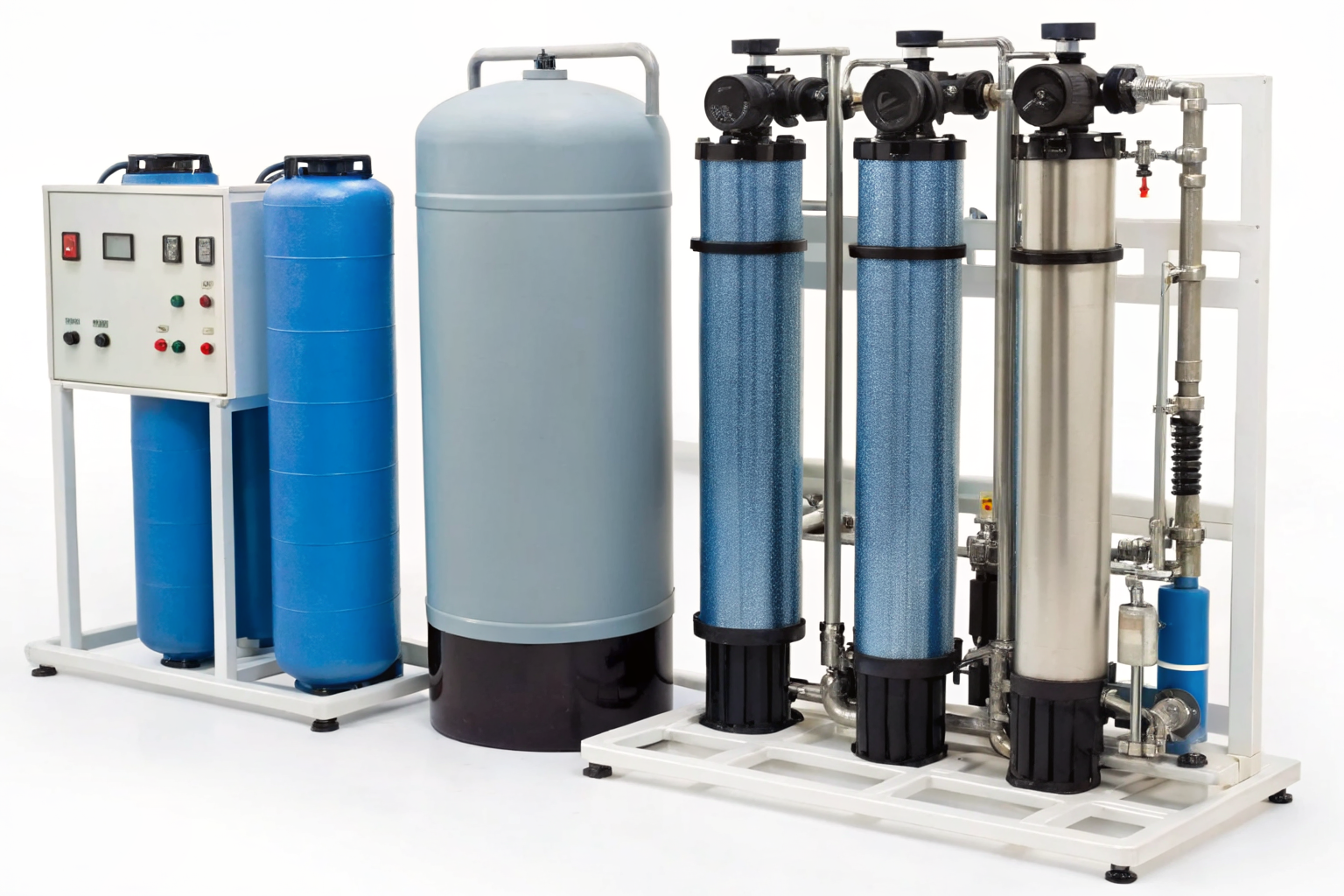
Matching the wrong treatment technology to your specific contaminant wastes thousands of dollars on systems that don’t solve your problem. Each chemical requires different removal mechanisms.
| Contaminant | Reverse Osmosis | Activated Carbon | Ion Exchange | Chemical Oxidation |
|---|---|---|---|---|
| Arsenic | 95%+ removal | No removal | 85%+ removal | No removal |
| PFAS | 95%+ removal | 90%+ removal | No removal | No removal |
| Nitrate | 95%+ removal | No removal | 85%+ removal | No removal |
| Lead | 95%+ removal | Minimal removal | No removal | No removal |
Reverse osmosis systems force water through membranes with pores 1000 times smaller than chemical molecules. This physical barrier blocks arsenic, lead, PFAS, and nitrate simultaneously. The technology works because these contaminants cannot pass through membrane pores sized at 0.0001 microns.
Activated carbon filters trap PFAS compounds through adsorption, chemical attraction between carbon surface and PFAS molecules. Carbon cannot capture inorganic metals like arsenic or lead because these lack the organic structure that creates adsorption bonds. PFAS treatment technology relies on carbon’s massive surface area, but capacity limits mean frequent filter changes in high-contamination areas.
Ion exchange resins swap harmful ions for harmless ones. Arsenic and nitrate ions stick to resin beads while chloride or sulfate ions release into the water. This process removes 85% of arsenic and nitrate but cannot handle PFAS or lead because these contaminants don’t exist as simple ions.
Chemical oxidation injection systems add chlorine or ozone to oxidize contaminants into filterable forms. This works for iron bacteria or hydrogen sulfide but cannot affect arsenic, PFAS, nitrate, or lead concentrations. These chemicals don’t oxidize under normal treatment conditions.
How Do Reverse Osmosis Systems Remove Multiple Chemical Contaminants?
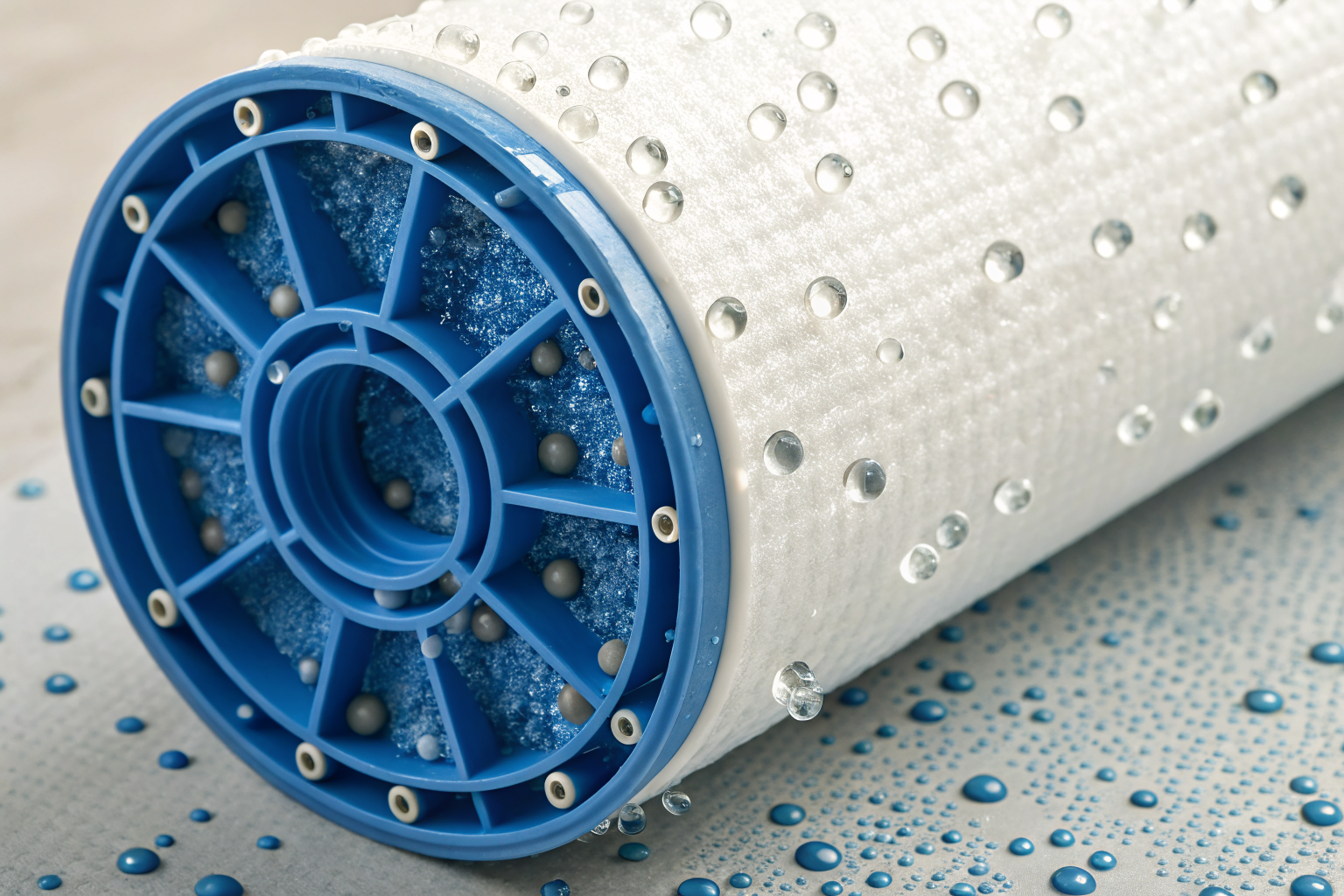
Reverse osmosis membranes block chemical contaminant molecules through physical filtration at the molecular level. The membrane acts as a barrier with pores 1000 times smaller than the smallest contaminant molecules.
Water pressure forces contaminant-laden water against the RO membrane surface. High pressure (40-100 PSI) pushes water molecules through microscopic membrane pores while blocking larger contaminant molecules.
Clean water molecules pass through 0.0001-micron pores while contaminants cannot fit. Arsenic molecules measure 0.0005 microns, PFAS compounds range from 0.001-0.01 microns, making them too large for membrane passage.
Rejected contaminants flush away as concentrated wastewater. The system continuously rinses blocked contaminants from the membrane surface, preventing buildup that would reduce effectiveness.
Multiple pre-filters protect the RO membrane from premature fouling. Sediment and carbon pre-filters remove particles and chlorine that would damage the delicate RO membrane.
Treated water collects in a storage tank for on-demand use. Most systems include 2-4 gallon pressurized tanks to provide immediate water access without waiting for the slow RO process.
RO systems produce 3-4 gallons of wastewater per gallon of clean water. This seems wasteful, but the alternative, consuming arsenic or lead, costs far more in health consequences. Membrane replacement every 2-3 years costs $75-150, while pre-filters need replacement every 6-12 months at $50-100 total.
The key limitation involves water pressure. Wells producing under 5 gallons per minute may need pressure tanks or booster pumps to maintain adequate RO system performance.
When Should You Choose Activated Carbon vs Ion Exchange Treatment?
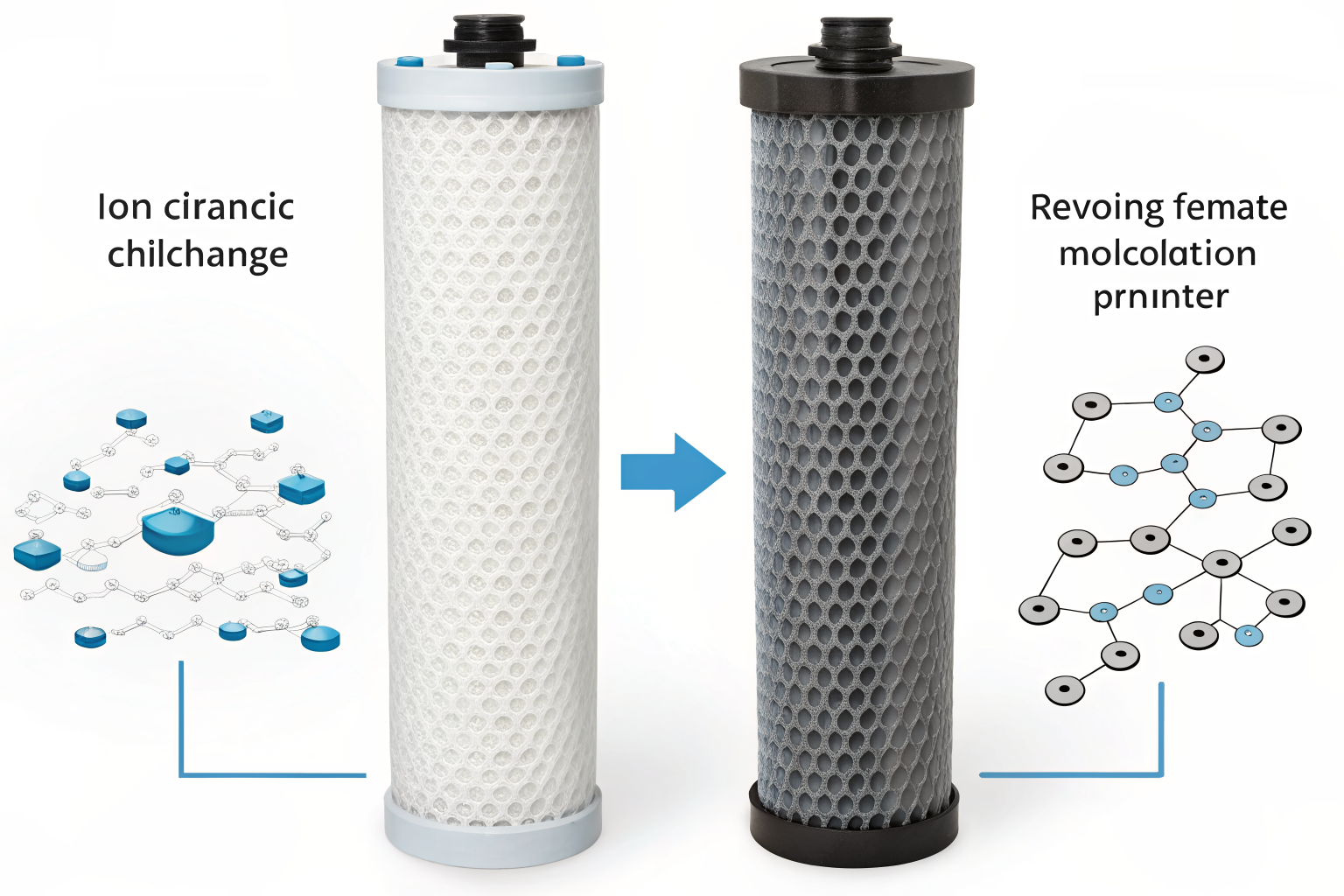
Activated carbon removes PFAS compounds specifically through molecular adsorption while ion exchange removes arsenic and nitrate through ionic substitution. Each technology targets different contaminant categories.
| Treatment Factor | Activated Carbon | Ion Exchange |
|---|---|---|
| Target contaminants | PFAS, chlorine, VOCs | Arsenic, nitrate, radium |
| Removal efficiency | 90%+ PFAS, 0% arsenic | 85%+ arsenic, 0% PFAS |
| Filter lifespan | 6-12 months | 12-18 months |
| Regeneration | Replace filter | Regenerate with salt |
| Operating cost | $100-200/year | $150-300/year |
Activated carbon works through adsorption, PFAS molecules stick to carbon’s massive surface area through chemical attraction. Carbon cannot remove inorganic contaminants like arsenic because metals lack the organic molecular structure needed for adsorption bonds. PFAS treatment technology requires carbon because these synthetic compounds resist breakdown and accumulate in the environment.
Ion exchange resins contain charged sites that attract oppositely charged ions. Arsenic and nitrate ions bind to resin beads while harmless chloride or sulfate ions release into the water. This process removes 85% of target contaminants but cannot handle PFAS because these compounds don’t exist as simple ions.
Choose activated carbon when PFAS testing shows concentrations above 70 parts per trillion. Choose ion exchange when arsenic exceeds 10 parts per billion or nitrate exceeds 10 parts per million. If you have multiple contaminant types, reverse osmosis handles the complete mix more cost-effectively than multiple specialized systems.
Regeneration requirements differ significantly. Carbon filters require complete replacement every 6-12 months. Ion exchange systems regenerate with salt water, extending resin life to 3-5 years before replacement.
Point-of-Use vs Whole House: Where Should You Install Chemical Treatment?
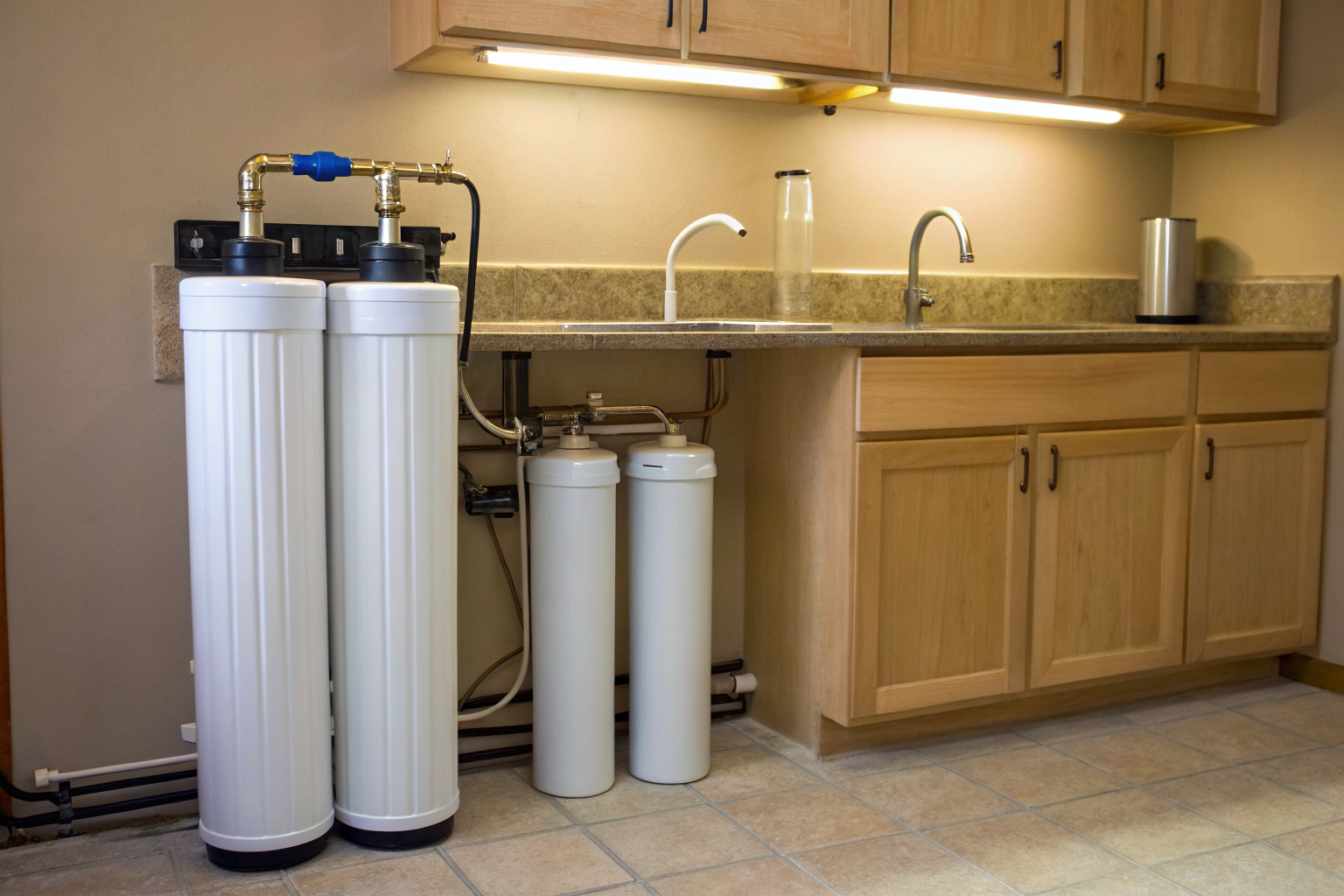
Installation location determines treatment cost and effectiveness for chemical contaminant removal. Point-of-use systems treat water at individual taps while whole-house systems treat water entering your home.
Point-of-use reverse osmosis systems cost $200-800 and install under kitchen sinks. These handle drinking and cooking water where chemical exposure matters most. Arsenic, lead, and PFAS primarily cause harm through ingestion, not skin contact during showering or bathing. Installing expensive whole-house treatment to remove ingestion hazards from toilet and laundry water wastes money on unnecessary protection.
Whole-house treatment makes sense when well water contaminants cause problems throughout your plumbing system. Lead pipes or fixtures leach lead into hot water used for showers, requiring whole-house removal to prevent exposure through skin absorption and inhalation. Nitrate can cause skin irritation in sensitive individuals, warranting whole-house treatment in severe cases.
Cost differences are substantial. Point-of-use RO systems cost $200-800 with $100-200 annual maintenance. Whole-house systems cost $2,000-5,000 plus $300-600 annual maintenance. The larger systems require more frequent filter changes and higher water pressure to maintain adequate flow rates.
Water demand affects system sizing. Whole-house systems must handle peak usage during morning showers while point-of-use systems only supply drinking water needs. A family of four needs 2-3 gallons per minute from point-of-use systems but 8-12 gallons per minute from whole-house systems.
What NSF Certification Should Your Chemical Treatment System Have?
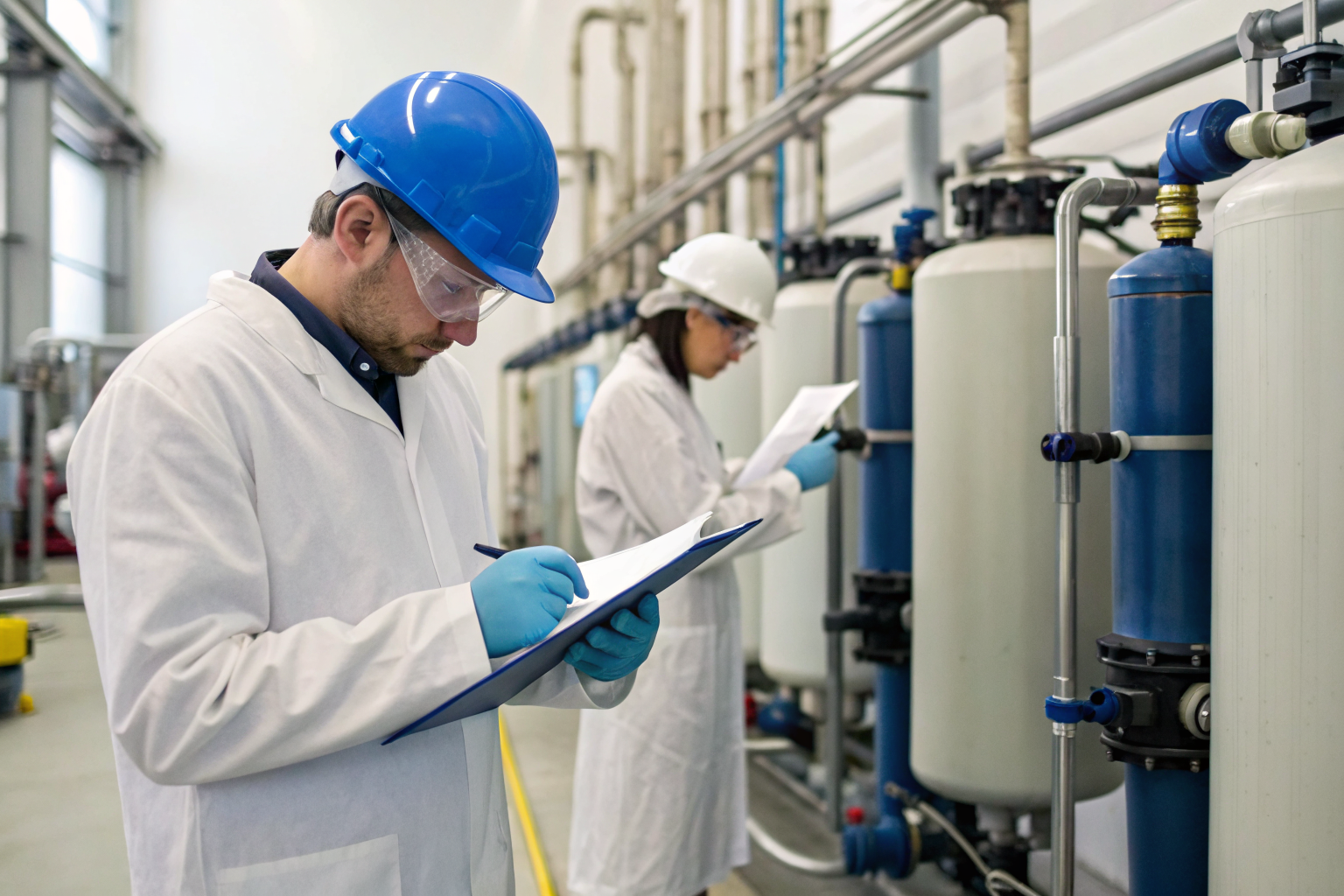
NSF certification standards verify contaminant removal claims through independent testing. These certifications prevent manufacturers from making false effectiveness claims about arsenic removal systems and PFAS treatment technology.
• NSF 53 certification covers arsenic and lead removal systems. This standard requires third-party testing proving the system reduces arsenic below 10 parts per billion and lead below 15 parts per billion under specified operating conditions.
• NSF 58 certification applies to reverse osmosis systems. Testing verifies RO systems remove specific percentages of dissolved solids, including arsenic, lead, and nitrate, while maintaining adequate water production rates.
• NSF 401 certification covers PFAS and pharmaceutical removal. This newer standard tests removal of 15 specific PFAS compounds plus prescription drugs, requiring 95% reduction for certification.
• NSF 44 covers ion exchange systems for arsenic and nitrate. Certification requires documented removal efficiency and capacity before breakthrough occurs, plus regeneration procedures that restore full effectiveness.
• Look for specific contaminant claims on the NSF database. Generic NSF certification doesn’t guarantee your specific contaminant gets removed, verify the exact compounds tested match your water test results.
• Avoid systems without NSF testing. Manufacturer claims like “removes up to 99% of contaminants” mean nothing without independent verification using standardized test procedures.
NSF maintains an online database where you can verify certification claims by entering the manufacturer and model number. Systems certified for one contaminant may not remove others, NSF 53 systems certified for lead removal might not remove arsenic without specific testing for that compound.
Frequently Asked Questions
Can one treatment system remove arsenic, PFAS, nitrate and lead at the same time?
Reverse osmosis systems remove all four contaminants simultaneously with 95%+ effectiveness. No other single treatment technology handles this complete chemical mix, you’d need multiple specialized systems.
Why can’t activated carbon filters remove arsenic from well water?
Activated carbon works by adsorption, which traps organic compounds like PFAS but cannot capture inorganic metals like arsenic. Arsenic removal requires specialized media like iron-based adsorbents or reverse osmosis membranes.
How much does PFAS treatment actually cost for private wells?
Point-of-use activated carbon systems cost $300-600 for PFAS removal. Whole-house treatment runs $2,000-4,000 for carbon or $3,000-6,000 for reverse osmosis, plus annual filter replacement costs of $200-500.