
Coliform bacteria in well water treatment creates a fork in the road between emergency panic and treatment paralysis. But the right response depends on whether this is your first positive or part of a pattern.
Key Takeaways:
• Single positive coliform results require shock chlorination and retesting within 7 days, 60% resolve without permanent treatment
• Recurring coliform contamination demands source investigation before choosing treatment, fixing the entry point saves $3,000+ on unnecessary systems
• UV disinfection kills 99.99% of bacteria but requires pre-filtration, continuous chlorination works in any water chemistry but needs ongoing maintenance
Should You Panic or Proceed Calmly After a Positive Coliform Test?
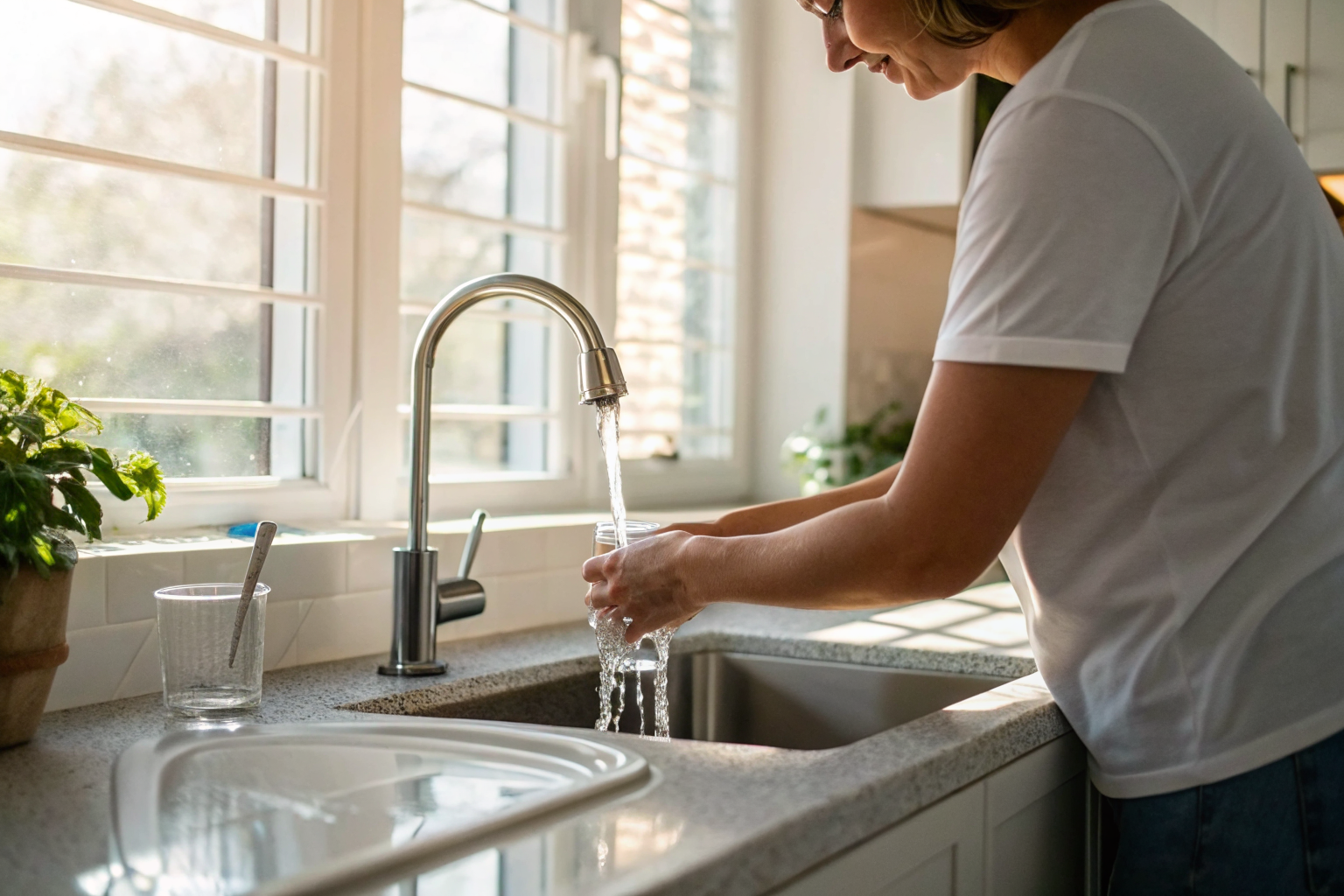
Single coliform positive is a data point requiring action within days, not minutes. This means you can continue using your water with basic precautions while you organize your response.
If this is your first positive test result, don’t rush into buying treatment equipment. Single coliform positive requires shock chlorination protocol first. The CDC recommends retesting within 7 days after shock treatment because many isolated contamination events clear up permanently once you disinfect the system.
Stop using water immediately only if you tested positive for E. coli or if someone in your household has a compromised immune system. Otherwise, boil water for drinking and cooking while you plan your shock chlorination.
Recurring positives tell a different story. If you’ve had two or more coliform positives in the past year, something is letting bacteria into your system repeatedly. You need source investigation before treatment because no disinfection system can overcome ongoing contamination at the source.
The thing that catches people off guard: a positive test after years of clean results often indicates a recent change to your well system. Recent pump work, power outages, or heavy rain events frequently trigger isolated coliform events that resolve with proper disinfection.
How Do You Track Down the Source of Coliform Contamination?
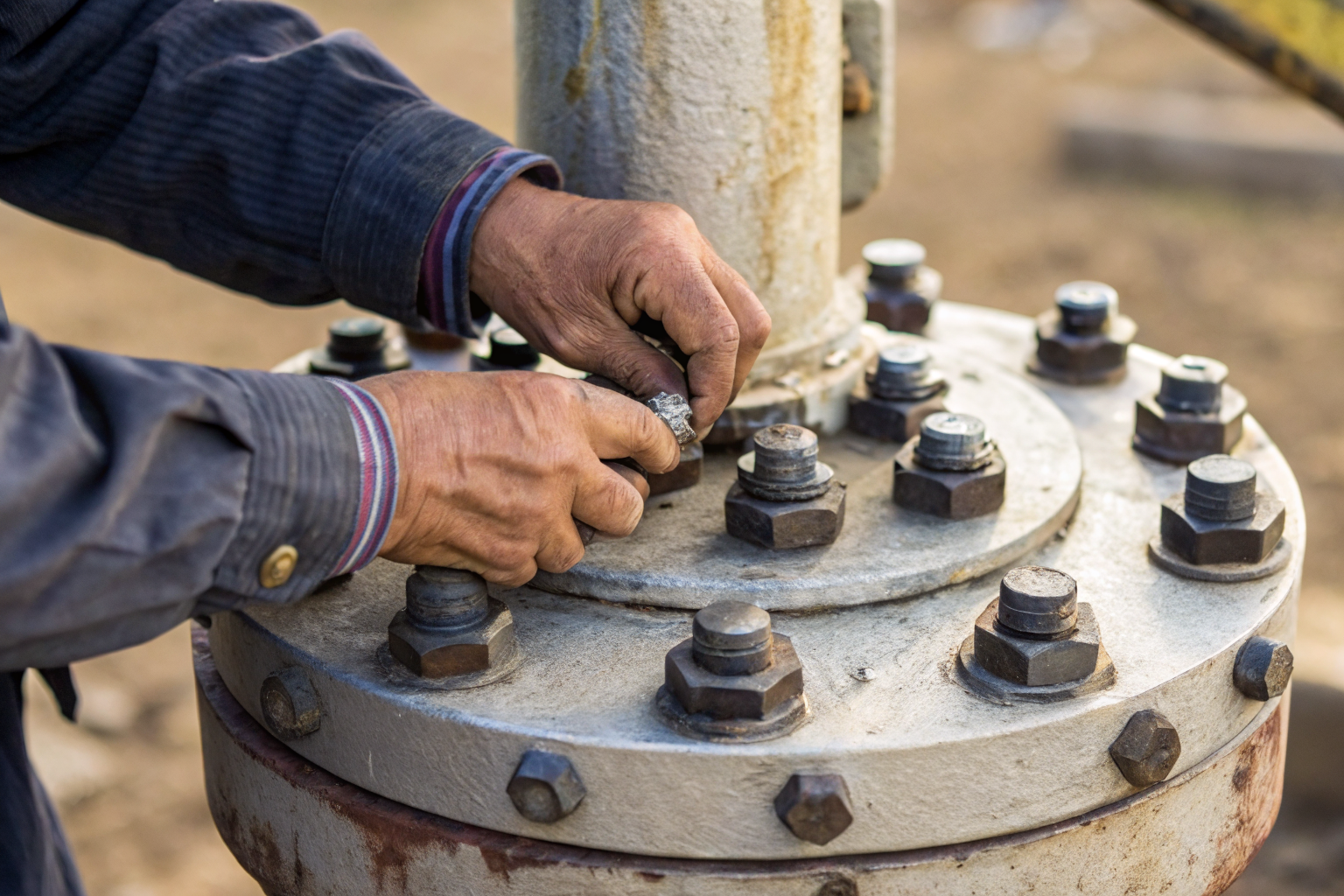
Contamination source investigation requires systematic inspection protocol starting at your well head and working through your distribution system.
Inspect your well cap and casing first. Look for cracks, loose bolts, or gaps that let surface water enter. The well cap should sit tight with no daylight visible around the edges.
Check the area within 100 feet of your well head. Document any septic systems, livestock areas, or surface water that could migrate toward your well during heavy rain.
Test your raw water before it enters any treatment. Sample directly from the well using proper sterile technique to isolate whether contamination starts at the source or enters through your distribution system.
Examine recent changes to your system. Recent pump replacement, electrical work, or plumbing modifications can introduce bacteria if proper disinfection wasn’t performed afterward.
Sample from multiple taps throughout your house. If only one tap tests positive, the problem is in that branch of plumbing rather than your well itself.
75% of recurring coliform contamination stems from compromised well caps or surface water intrusion. Professional well inspection costs $200-400 but saves thousands by identifying fixable problems before you buy treatment systems.
What Are Your Permanent Treatment Options for Coliform Bacteria?
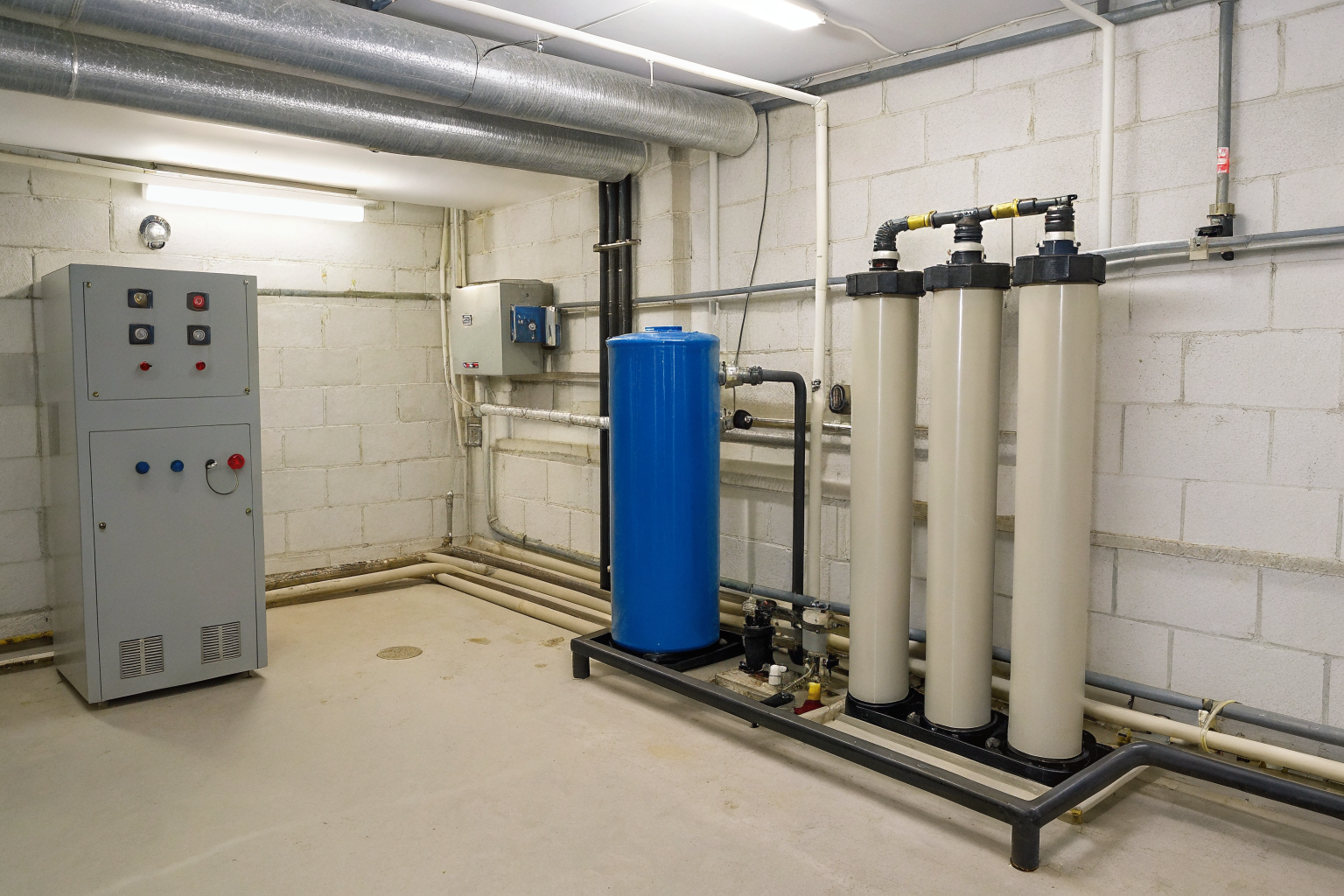
Permanent treatment options include UV disinfection and continuous chlorination as the two most reliable methods for ongoing bacterial control.
| Feature | UV Disinfection | Continuous Chlorination | Ozone Treatment |
| — | — | — |
| Kill Rate | 99.99% | 99.99% | 99.9% |
| Installation Cost | $800-$1,500 | $1,200-$2,500 | $2,500-$4,000 |
| Annual Maintenance | $80-120 (lamp replacement) | $150-300 (chemicals, testing) | $200-400 (parts, service) |
| Water Chemistry Limits | Iron <0.3 ppm, turbidity <1 NTU | None | Iron <0.5 ppm |
| Residual Protection | None | Yes | None |
| Power Requirements | Standard 110V | Standard 110V | 220V typically |
UV systems cost less upfront but work only when water meets strict clarity requirements. Any iron staining, sediment, or cloudiness blocks UV light and drops kill rates below safe levels.
Continuous chlorination systems inject chlorine into your water line and maintain a disinfectant residual throughout your plumbing. This prevents bacterial regrowth in your distribution system but requires ongoing chemical purchases and residual testing.
Ozone treatment oxidizes bacteria without chemical residuals but needs the highest upfront investment and most complex maintenance. Most well owners choose between UV and chlorination based on their water chemistry and maintenance preferences.
When Does UV Disinfection Work Better Than Chlorination?
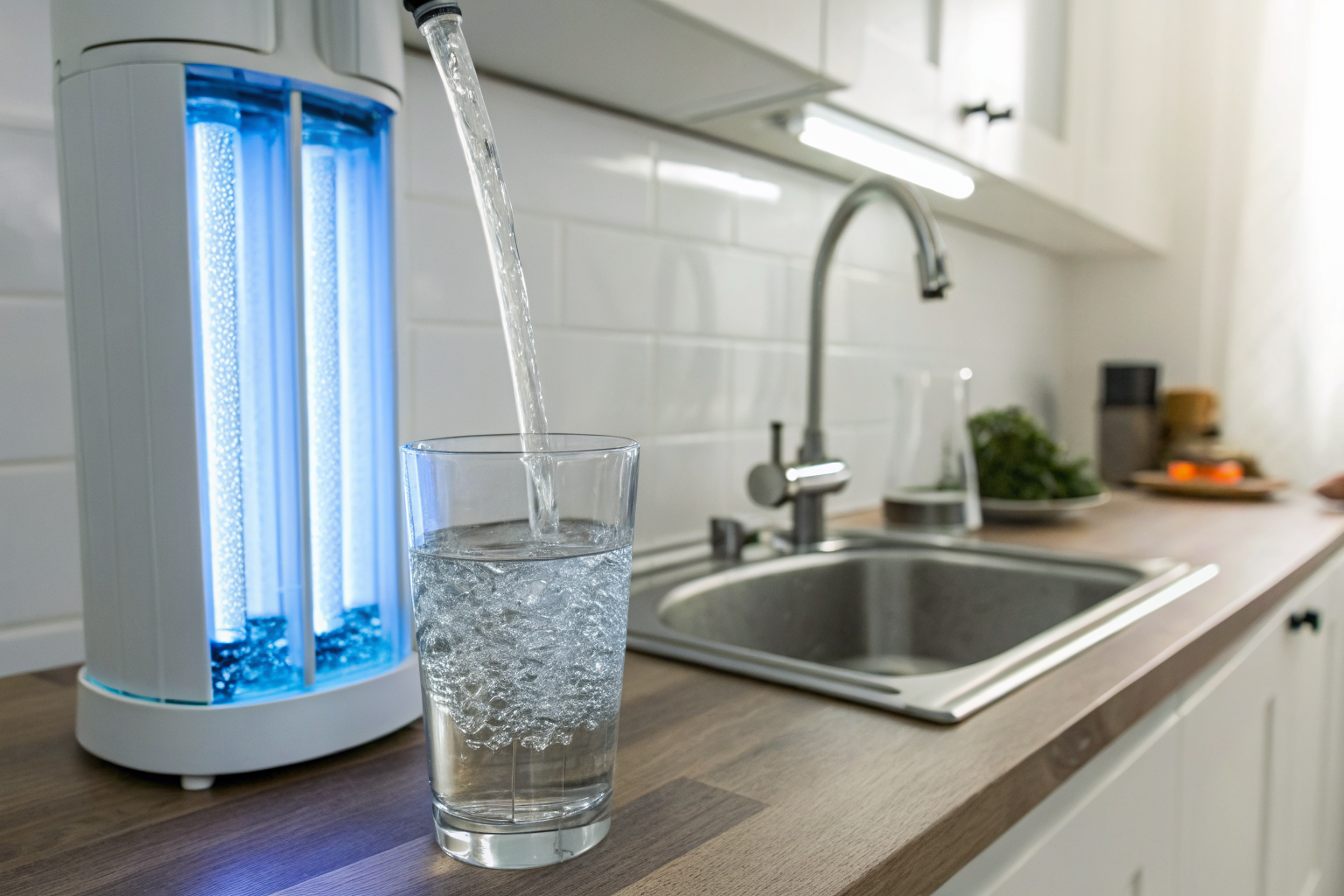
UV disinfection requires specific pre-filtration conditions but offers chemical-free operation when your water chemistry cooperates.
| Feature | UV Disinfection Requirements |
|---|---|
| Iron Content | Must be below 0.3 ppm |
| Turbidity | Must be below 1 NTU |
| Hardness | No direct limit (but affects cleaning) |
| pH Range | 6.5-8.5 optimal |
| Sediment | Pre-filtration to 5 microns required |
| Maintenance | Annual lamp replacement |
UV requires water with less than 0.3 ppm iron and turbidity under 1 NTU to maintain 99.99% kill rate. Any iron staining means you need iron removal before UV disinfection.
Disinfection method comparison shows UV works best for clear water with minimal dissolved minerals. If your water looks crystal clear in a glass and you have no iron staining issues, UV provides the simplest long-term operation.
Choose continuous chlorination instead if you have any iron content, sediment issues, or want residual protection throughout your plumbing system. Chlorination handles any water chemistry but requires chemical management and residual testing.
The thing that catches people off guard: UV lamps lose effectiveness gradually over 12 months even when they still produce visible light. Replace UV lamps annually regardless of appearance.
How Do You Size and Install Bacterial Treatment Systems?
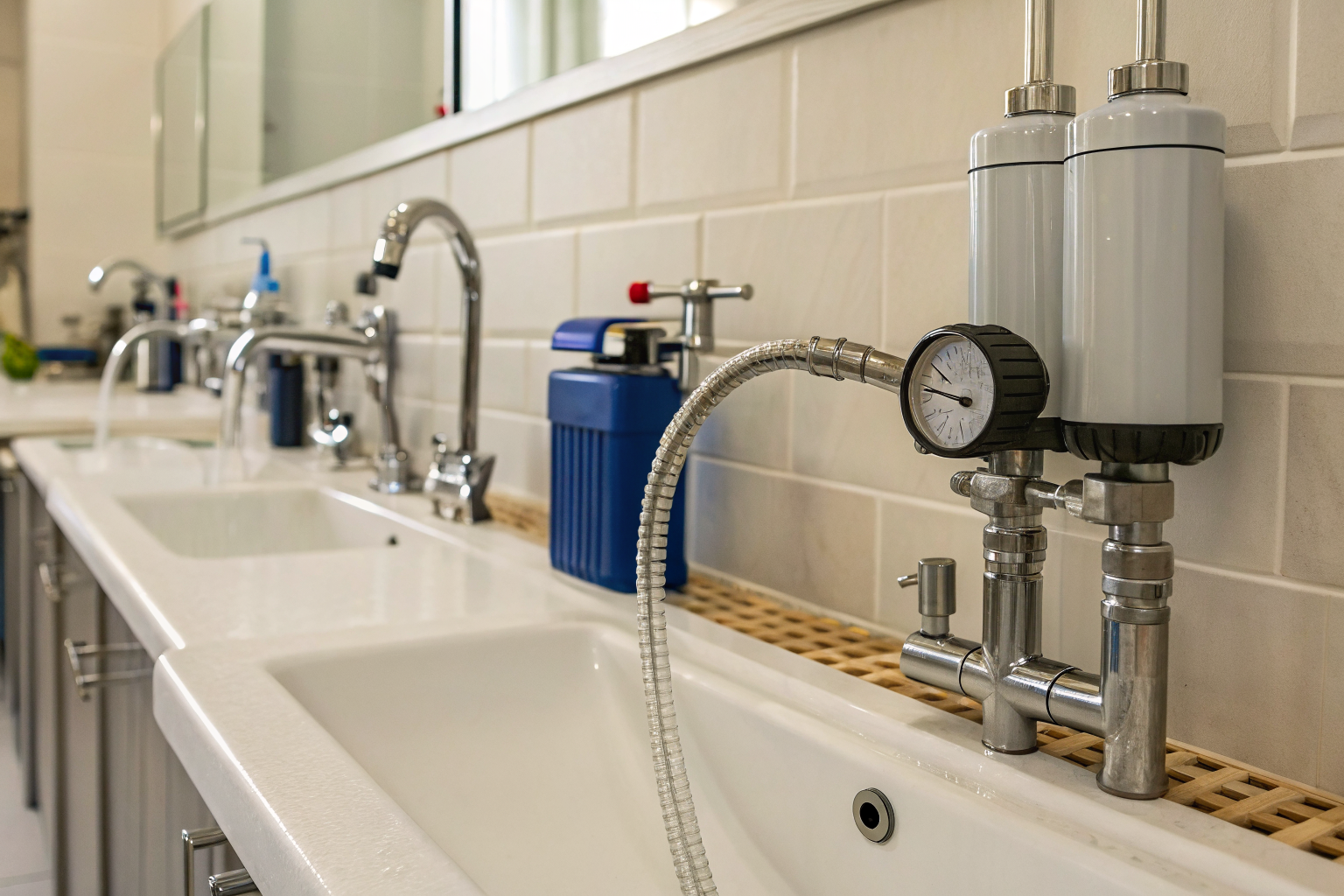
Treatment system sizing depends on flow rate and contact time requirements to achieve proper bacterial kill rates at your household’s peak demand.
• Calculate your peak flow rate by running all fixtures simultaneously and measuring gallons per minute. Most households need 8-15 GPM capacity for adequate pressure during peak use.
• Size UV systems for 40 mJ/cm² dose with minimum 30-second exposure at peak flow rates. Undersized UV chambers reduce contact time and drop kill rates below 99.99%.
• Install bacterial treatment after your pressure tank but before any other treatment equipment. This sequence protects downstream filters and softeners from bacterial contamination.
• Plan for bypass valving around your disinfection system for maintenance access. You’ll need to service UV lamps annually and chlorination injection systems quarterly without shutting off household water.
• Schedule performance verification testing every 3-6 months after installation. Bacterial testing confirms your treatment maintains effectiveness as system components age.
Proper UV contact time requires flow rate matching to chamber size. A 12 GPM UV system drops to 85% kill rate when flow exceeds design capacity during peak household demand.
Frequently Asked Questions
How long does it take for coliform treatment to work in well water?
Shock chlorination kills coliform bacteria within 8-12 hours of contact time, but you must wait 24-48 hours after flushing before retesting. Permanent UV or chlorination systems provide immediate disinfection as water flows through the treatment point.
Can I treat e coli in well water the same way as total coliform?
E. coli requires the same treatment methods as total coliform bacteria, UV disinfection or continuous chlorination both achieve 99.99% kill rates. However, e. coli indicates fecal contamination and demands more aggressive source investigation than general coliform bacteria.
Do I need a whole house bacterial treatment system or just at the kitchen sink?
Bacterial treatment should be installed at the whole house level after your pressure tank to protect all water uses. Point-of-use treatment only at the kitchen sink leaves you exposed to bacteria through showers, dishwashing, and other household water contact.