Hydrogen peroxide well water treatment beats chlorine for oxidizing iron, manganese, and hydrogen sulfide, but only if your water chemistry fits the narrow window where H2O2 actually works.
Key Takeaways:
• H2O2 requires pH between 6.8-8.5 and works on iron levels up to 15 ppm, outside these ranges, it fails
• Injection systems cost $800-2,500 plus $50-150 annual chemical costs versus $200-600 yearly chlorine expenses
• Contact time determines effectiveness, H2O2 needs 20+ minutes retention time to fully oxidize contaminants
What Contaminants Does Hydrogen Peroxide Actually Remove from Well Water?
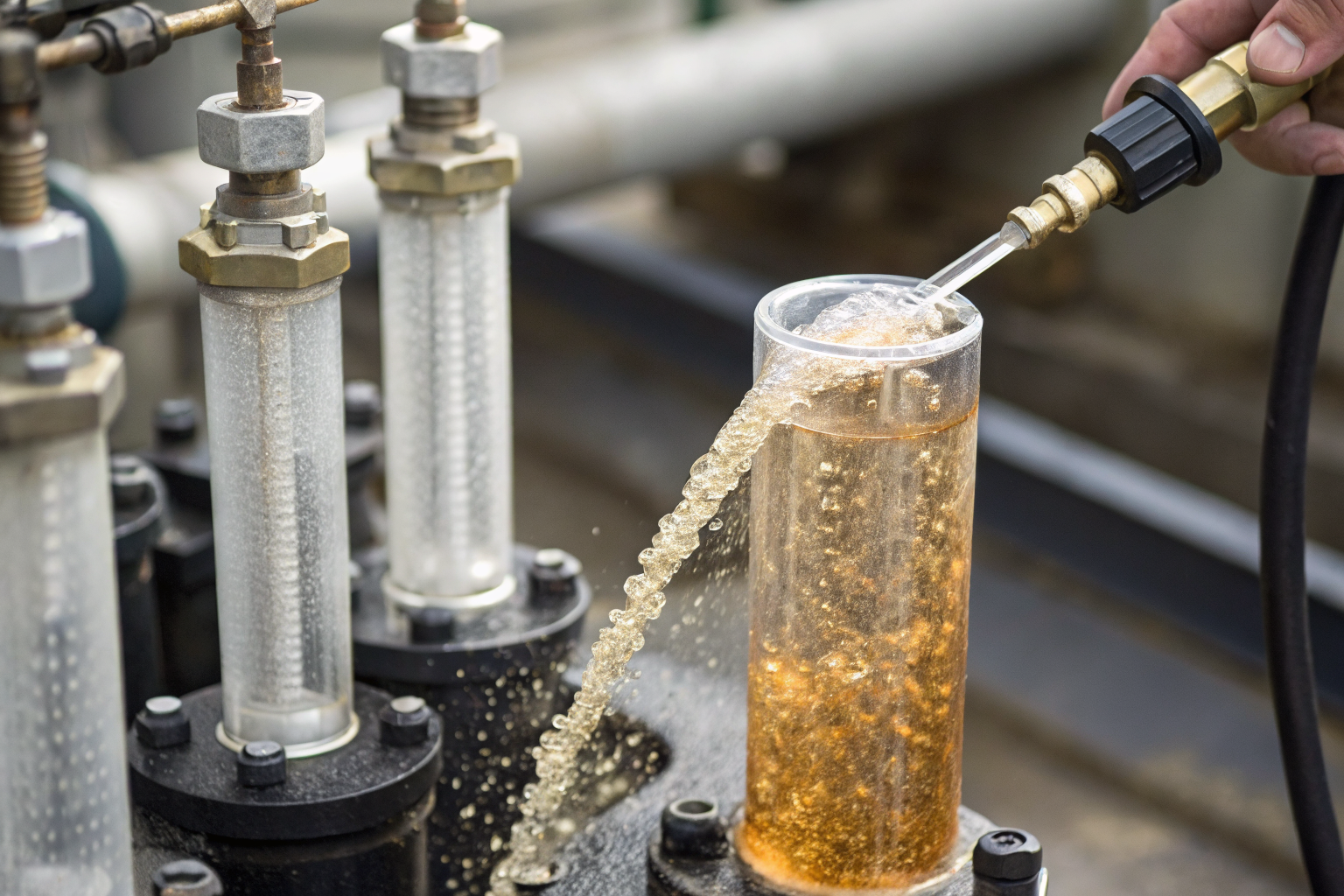
Hydrogen peroxide injection systems remove three primary well water contaminants through chemical oxidation. The process converts dissolved metals and gases into forms your filters can catch.
| Contaminant | Maximum Concentration | Removal Rate | pH Requirement |
|---|---|---|---|
| Iron (ferrous) | 15 ppm | 99%+ | 6.8-8.5 |
| Manganese | 5 ppm | 95%+ | 7.0-8.0 |
| Hydrogen sulfide | 6 ppm | 98%+ | 6.8-8.2 |
| Iron bacteria | Variable | 80-90% | 7.0+ |
Iron gets the best results. H2O2 oxidizes dissolved ferrous iron into ferric iron particles that standard sand filters remove. You need proper contact time, the chemical reaction takes 15-20 minutes to complete.
Manganese removal works but requires higher pH levels. Below 7.0 pH, manganese oxidation slows down significantly. Above 5 ppm manganese, you’ll need stronger oxidants like potassium permanganate.
Hydrogen sulfide elimination happens fast. H2O2 converts the dissolved gas into elemental sulfur particles. An activated carbon filter after the contact tank catches these particles and removes any remaining odor.
The system fails on organic contaminants. H2O2 cannot remove nitrates, arsenic, bacteria, or PFAS. These well water contaminants need different treatment technologies.
How Does Hydrogen Peroxide Compare to Chlorine for Well Water Oxidation?
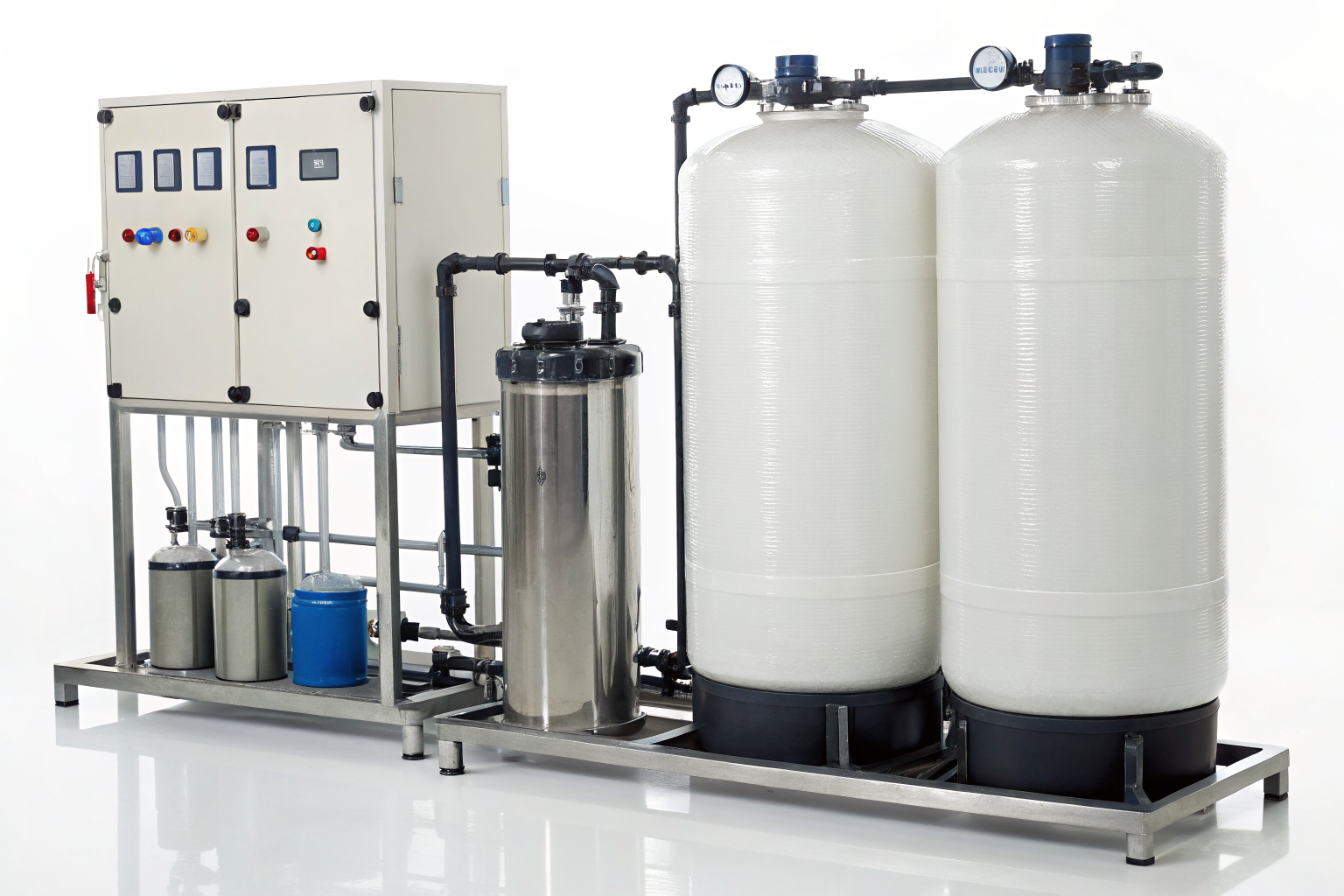
Hydrogen peroxide offers stronger oxidation power without the taste and odor issues that plague chlorine systems. The chemistry differences matter for your water quality.
| Factor | H2O2 | Chlorine | Winner |
|---|---|---|---|
| Oxidation strength | 1.78V potential | 1.48V potential | H2O2 |
| Taste/odor residual | None after carbon | Chlorine taste | H2O2 |
| Byproduct formation | Water + oxygen only | THMs, chloramines | H2O2 |
| pH sensitivity | Works 6.8-8.5 | Works 6.0-8.0 | Chlorine |
| Annual chemical cost | $50-150 | $200-600 | H2O2 |
| Bacterial disinfection | Poor | Excellent | Chlorine |
H2O2 provides 1.8x stronger oxidation potential than chlorine without forming chloramines or trihalomethanes. This means faster iron and manganese oxidation with shorter contact times.
Chlorine wins on pH tolerance and bacterial kill. Sodium hypochlorite works in more acidic water and provides reliable disinfection. H2O2 cannot kill bacteria at residential injection rates.
Cost analysis favors peroxide long-term. H2O2 chemical costs run $50-150 annually versus $200-600 for chlorine. Higher upfront equipment costs balance out after 2-3 years.
Chemical oxidation injection systems using H2O2 leave no taste or odor when properly designed. Chlorine systems require more aggressive post-filtration to remove residual chlorine taste.
What Are the System Requirements for H2O2 Injection in Well Water?
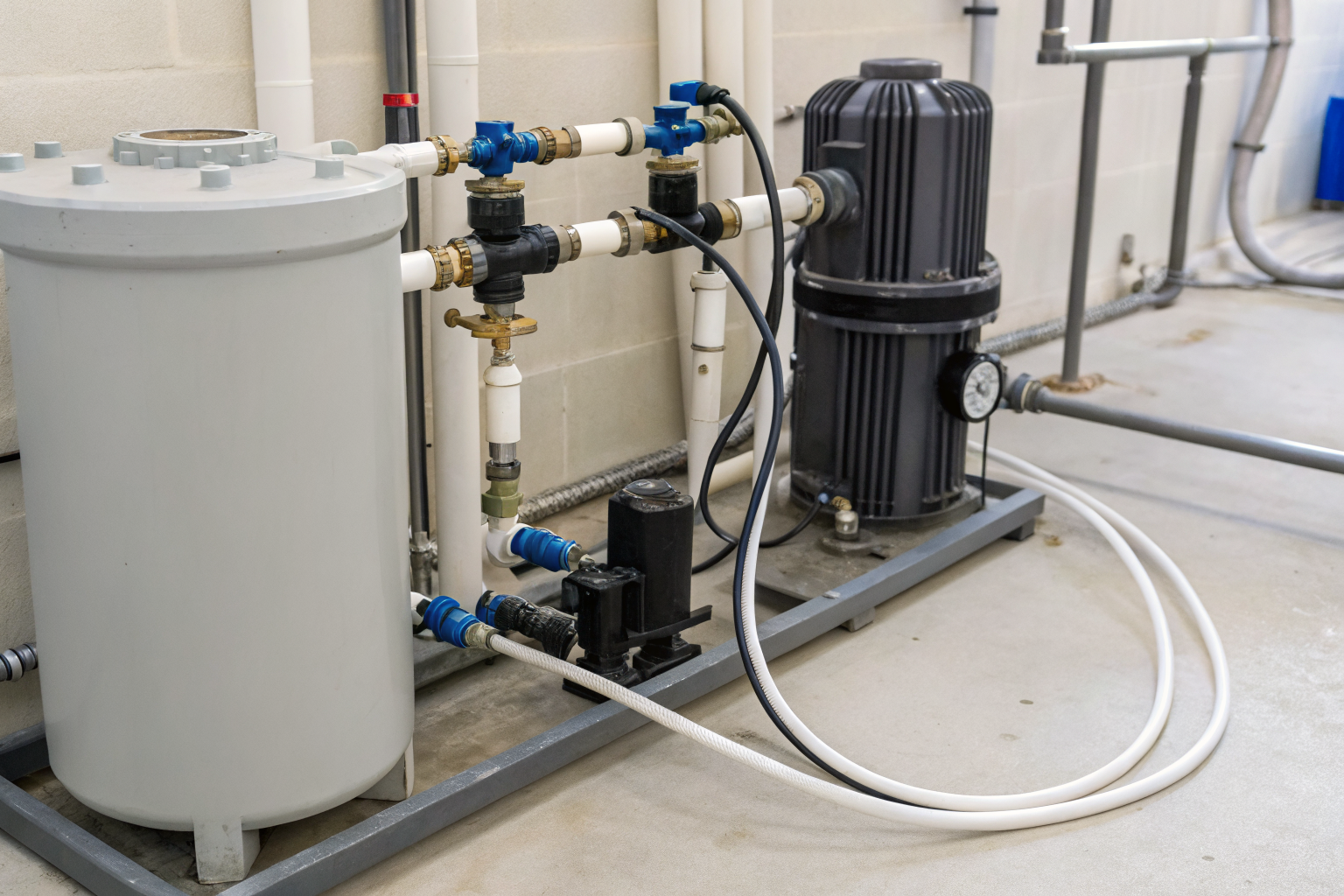
Installing an H2O2 system requires specific components sized for your water chemistry and flow rate. Miss any piece and the system fails.
Install a chemical injection pump rated for 35% hydrogen peroxide. Standard pumps corrode quickly. You need pumps with Teflon or PVC wetted parts.
Size the contact tank for 20+ minutes retention time at peak flow. A 6 GPM system needs a 300-gallon minimum contact tank to achieve proper contact time.
Add an activated carbon filter after the contact tank. This removes excess H2O2 and any remaining taste or odor compounds from the oxidation process.
Install a pressure tank between the well pump and injection point. This prevents pump cycling during chemical injection and maintains steady pressure.
Add a sediment filter before the carbon filter. Oxidized iron and manganese particles will clog carbon media without pre-filtration.
Include a flow switch to trigger the injection pump only when water flows. This prevents chemical waste and overdosing during low-demand periods.
Contact tank sizing determines system success. Too small and contaminants don’t fully oxidize. Too large and you waste space and money. Calculate tank size using the formula: Tank Volume = Flow Rate × Contact Time × 7.5 gallons per cubic foot.
Post-filtration removes oxidized contaminants and excess chemicals. Skip the activated carbon filter and you’ll taste hydrogen peroxide in your water.
How Do You Calculate H2O2 Dosing for Your Well Water Chemistry?
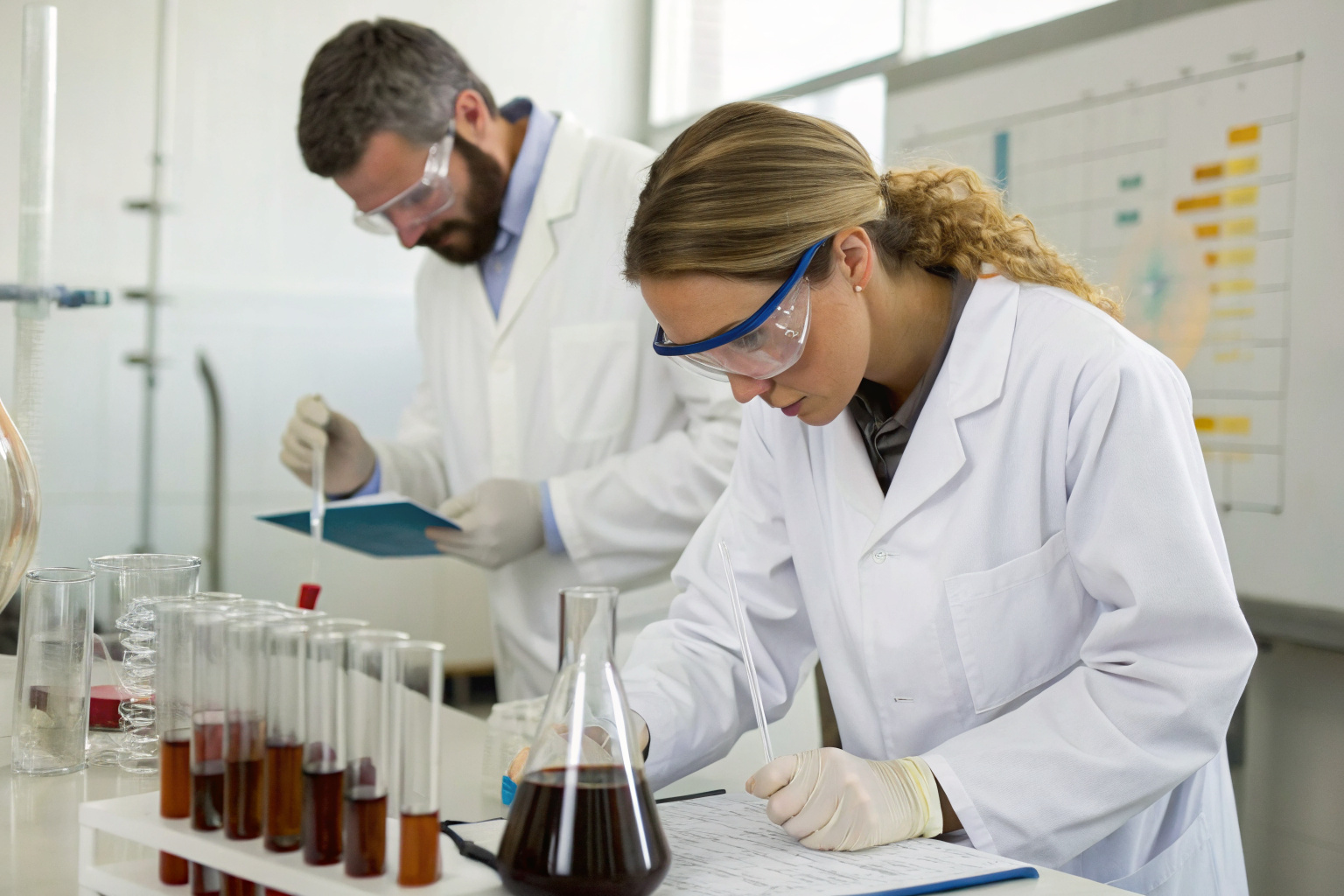
Stoichiometric dosing is the theoretical chemical ratio needed to oxidize specific contaminant concentrations. This means calculating exact H2O2 amounts based on iron, manganese, and hydrogen sulfide levels in your test results.
Standard ratios provide starting points. You need 0.5 ppm H2O2 per 1 ppm iron, 1.3 ppm H2O2 per 1 ppm manganese, and 2.0 ppm H2O2 per 1 ppm hydrogen sulfide. Add these together for total dosing.
Example calculation: Water with 8 ppm iron, 2 ppm manganese, and 1 ppm hydrogen sulfide needs (8 × 0.5) + (2 × 1.3) + (1 × 2.0) = 8.6 ppm total H2O2 dose.
pH affects dosing efficiency. Below 6.8 pH, increase dosing by 25% to compensate for slower reaction kinetics. Above 8.0 pH, H2O2 decomposes faster and you need 15% higher doses.
Overdosing wastes money and creates taste problems. Excess H2O2 above 1-2 ppm causes a sharp, metallic taste even with carbon filtration. Start with calculated doses and adjust based on treated water testing.
Monitor residual H2O2 levels monthly using test strips. Target 0.1-0.5 ppm residual after the contact tank, before carbon filtration. Zero residual means underdosing. Above 1 ppm means waste and potential taste issues.
When Should You Choose H2O2 Over Other Well Water Treatment Options?
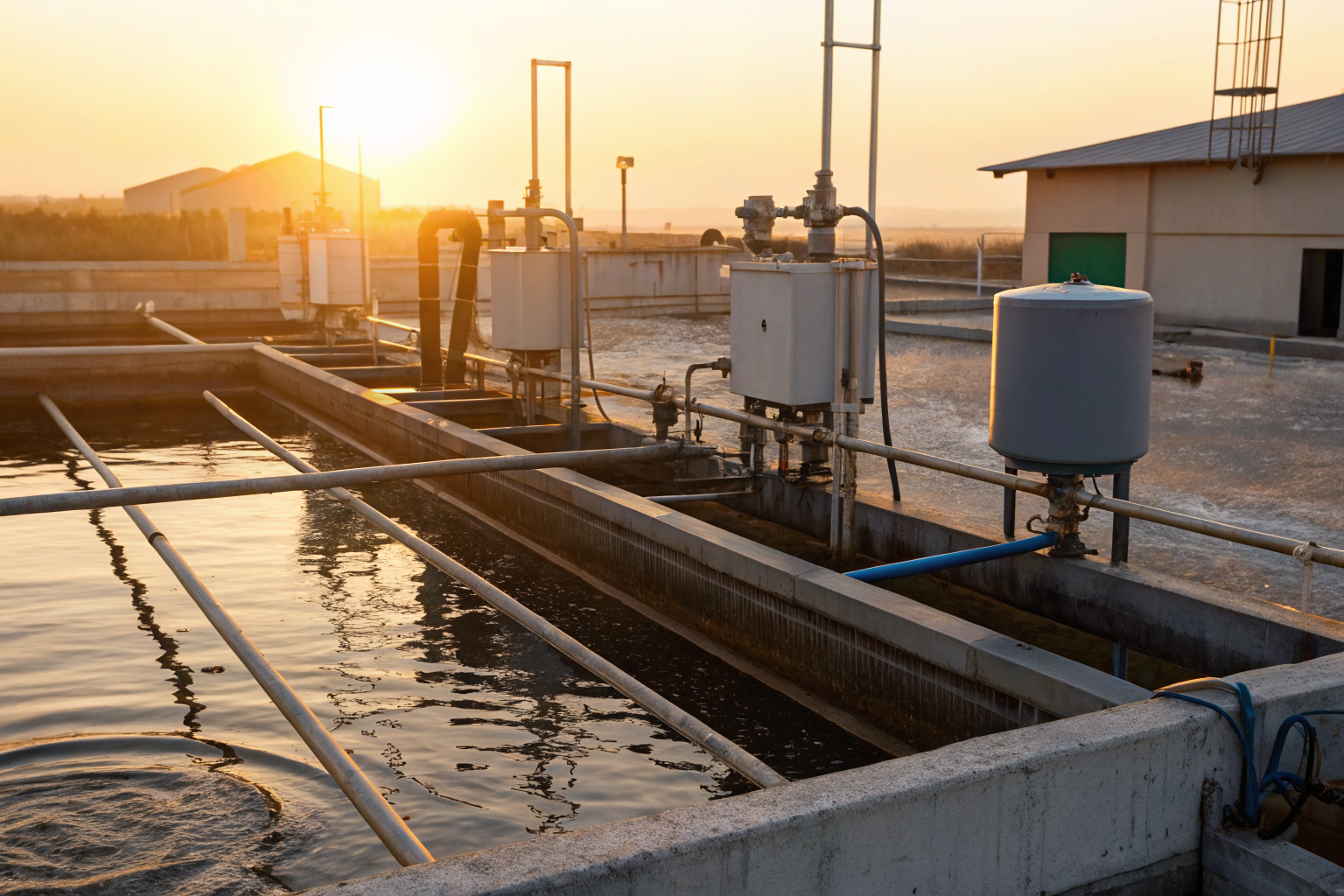
Choose hydrogen peroxide when your water chemistry falls within its operating window and you want oxidation without taste or bacterial disinfection.
Your iron levels are 3-15 ppm with pH between 6.8-8.5. This is H2O2’s sweet spot. Lower iron concentrations work fine with cheaper air injection. Higher levels need stronger oxidants.
You want to avoid chlorine taste and byproducts. H2O2 leaves no residual taste when properly filtered, unlike chlorine systems that require aggressive post-treatment.
You have hydrogen sulfide problems along with iron or manganese. H2O2 treats all three contaminants simultaneously. Separate treatment systems cost more.
Your well water has low organic matter content. High organics consume H2O2 before it can oxidize target contaminants, reducing system efficiency.
You don’t need bacterial disinfection. If your well tests positive for coliform bacteria, choose chlorine or UV treatment instead.
Skip H2O2 for arsenic, nitrates, or PFAS removal. These contaminants need specialized treatment like reverse osmosis systems or arsenic removal systems designed for specific chemistries.
H2O2 costs 40% less than ozone injection and 60% less than permanganate systems for iron levels 5-15 ppm. The economics favor peroxide for most residential applications.
Consider ozone or permanganate when pH exceeds 8.5 or iron levels top 15 ppm. These oxidants work in conditions where H2O2 fails.
What Are the Limitations and Failure Points of H2O2 Well Water Treatment?
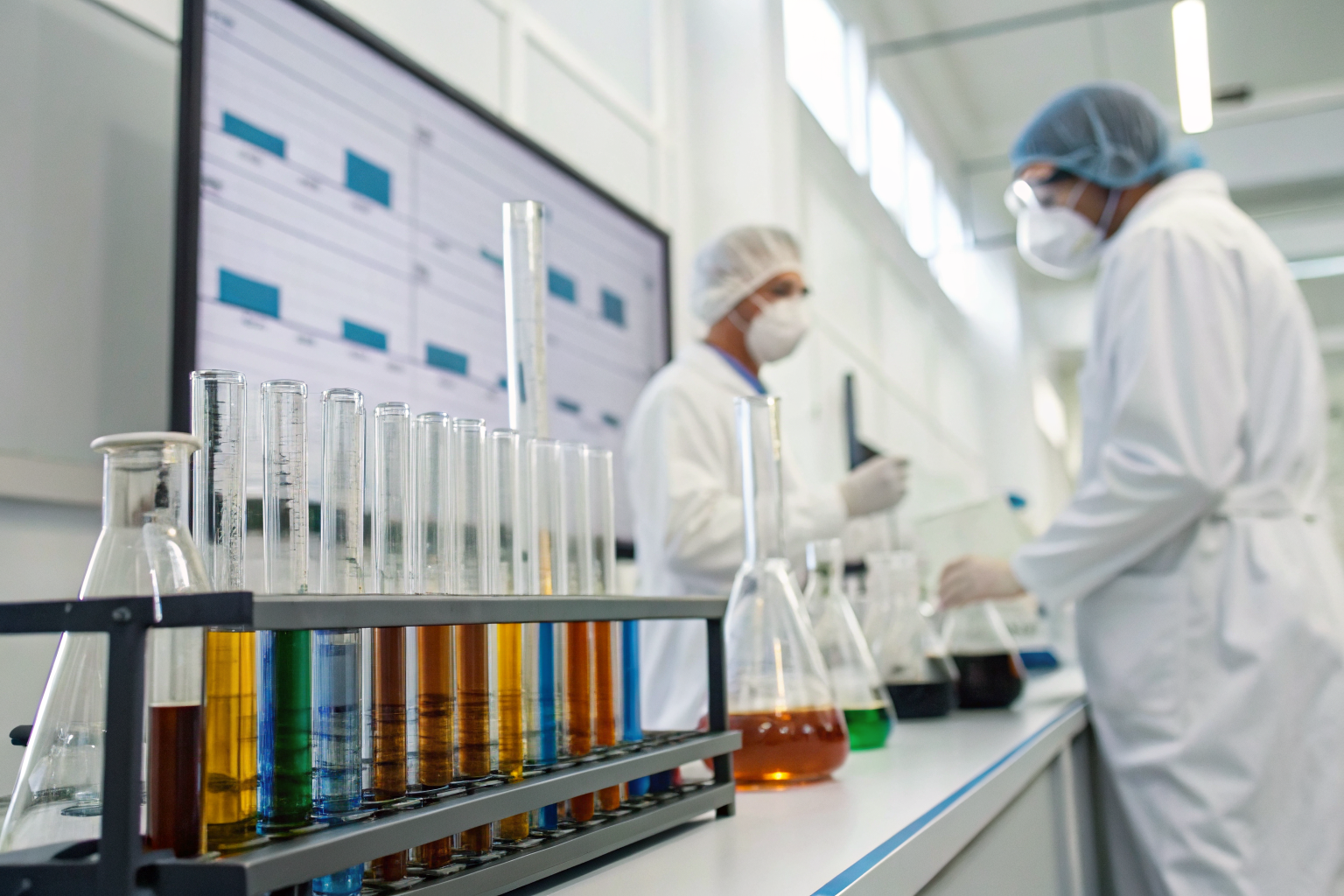
Hydrogen peroxide systems fail when water chemistry exceeds operating parameters or when you need contaminant removal beyond oxidation capabilities.
pH boundaries create hard failure points. Below 6.8 pH, oxidation kinetics slow dramatically and systems underperform. Above 8.5 pH, H2O2 decomposes before reacting with target contaminants. You cannot adjust dosing to fix pH problems, you need pH correction first.
Iron bacteria interfere with H2O2 effectiveness. These organisms create biofilms that protect iron from oxidation and consume hydrogen peroxide. Systems fail below pH 6.8 due to reduced oxidation kinetics and need shock chlorination to kill bacteria before H2O2 treatment works.
Organic matter competes for available H2O2. Dissolved organics from surface contamination or naturally occurring humic acids consume peroxide before it reaches iron or manganese. High organic content requires pre-treatment or higher doses.
H2O2 cannot treat health-risk contaminants that require different technologies. Arsenic needs specialized media or reverse osmosis. Nitrates require ion exchange or RO treatment. PFAS treatment technology depends on granular activated carbon or reverse osmosis systems, not chemical oxidation.
Maintenance failures kill system performance. Clogged injection lines, depleted carbon filters, or incorrect dosing create treatment failures. Monthly monitoring and annual service prevent these issues.
Temperature affects reaction rates. Cold water below 40°F slows oxidation reactions. Systems in northern climates or deep wells may need longer contact times or higher doses during winter months.
Frequently Asked Questions
Can hydrogen peroxide remove bacteria from well water?
Hydrogen peroxide can kill bacteria at high concentrations (100+ ppm), but it’s not reliable for bacterial disinfection in residential well water systems. UV disinfection or chlorination provides more consistent bacterial treatment for private wells.
How much does a peroxide well water treatment system cost to install?
H2O2 injection systems cost $800-2,500 for equipment plus $400-800 installation, depending on contact tank size and complexity. Annual operating costs run $50-150 for chemical replacement plus filter media changes every 1-3 years.
Is H2O2 well water treatment safe for drinking?
H2O2 breaks down completely into water and oxygen when properly dosed, leaving no chemical residual in treated water. Activated carbon filtration after the contact tank removes any excess peroxide before water enters your home plumbing.