
Well water testing determines whether your drinking water meets safety standards, something the EPA won’t check for you. The 43 million Americans on private wells face a reality that city water users don’t: zero EPA oversight and full responsibility for testing their own drinking water supply.
Key Takeaways:
• Private wells fall outside Safe Drinking Water Act regulation, you test or you don’t know what’s in your water
• Annual bacteria testing plus every 3-5 years for chemical contaminants meets CDC baseline recommendations
• State-certified laboratory analysis costs $150-$600 but provides legally defensible Maximum Contaminant Level comparisons
Understanding well water testing frequency protects your family from health risks you can’t see, smell, or taste. Whether you need well water testing services or plan to collect samples yourself, this guide covers everything from interpreting well water test results to choosing between a well water testing kit and professional analysis. If you’re wondering “is well water safe” without testing, the answer is simple: you can’t know. Even well water testing home sale requirements only scratch the surface of comprehensive well water quality testing protocols.
Do I Need to Test My Well Water?

Private wells are excluded from the Safe Drinking Water Act. This means the federal law that protects 300 million Americans on public water systems doesn’t apply to your well. Zero federal oversight. Zero mandatory testing. Zero guarantee that your water meets health standards.
Well owner responsibility begins the moment your well pump turns on. The EPA sets drinking water standards through Maximum Contaminant Levels, but enforcing those standards on private wells falls to you. No government agency monitors your water quality. No regulatory system flags dangerous contamination levels. You test or you don’t know what you’re drinking.
The health risk uncertainty without testing creates a dangerous blind spot. Coliform bacteria, nitrates, arsenic, and PFAS don’t announce themselves with bad taste or foul odors. Many of the most serious well water contaminants are completely undetectable without laboratory analysis. A clear glass of water from your tap could exceed EPA health standards by 10 times the safe limit.
EPA recommendations call for annual bacteria testing plus chemical analysis every three to five years. These aren’t legal requirements for private wells, they’re health protection guidelines. The CDC supports this testing schedule because contamination patterns in groundwater change over time. Agricultural runoff, nearby septic systems, industrial activity, and natural geological processes all influence your water chemistry.
Fourty-three million Americans rely on private wells with zero federal regulation under current law. State regulations vary wildly. Some states require testing only during real estate transactions or new well installations. Others have no private well testing requirements at all. The responsibility lands squarely on the well owner regardless of local requirements.
Cost shouldn’t drive the decision to skip testing. Basic bacteria analysis costs $25-$50 from most certified labs. Comprehensive chemical testing ranges from $150-$300. Compare that to the potential health costs of drinking contaminated water for months or years without knowing. The math favors testing.
What Should I Test My Well Water For?

Coliform bacteria indicates contamination risk in your well system. These organisms signal that disease-causing bacteria, viruses, or parasites could be present. The Maximum Contaminant Level for total coliform is zero detection in any sample. Even trace amounts require immediate well disinfection.
Health-risk contaminants demand priority testing because they cause serious illness at concentrations you can’t detect by taste or smell. Nitrates poison infants under six months old. Arsenic causes cancer with long-term exposure. Lead damages developing brains in children. PFAS chemicals persist in your body for years and disrupt hormone function.
Aesthetic contaminants affect taste, odor, and appearance but don’t pose immediate health risks at typical well water concentrations. Iron stains fixtures and clothes. Hardness builds mineral deposits in pipes. Hydrogen sulfide smells like rotten eggs. These issues make water unpleasant but won’t send you to the hospital.
| Contaminant | Health Impact | MCL Threshold | Testing Frequency |
|---|---|---|---|
| Coliform bacteria | Disease indicator | Zero detection | Annual |
| Nitrates | Infant poisoning | 10 ppm | Every 3 years |
| Arsenic | Cancer risk | 10 ppb | Every 5 years |
| Lead | Brain damage | 15 ppb | Every 5 years |
| PFAS | Hormone disruption | Various | Every 3 years |
| Iron | Aesthetic only | Secondary standard | As needed |
| Hardness | Aesthetic only | Secondary standard | As needed |
Regional variations determine which contaminants pose the highest risk in your area. Wells in agricultural regions need extra nitrate monitoring due to fertilizer runoff. Arsenic occurs naturally in groundwater across 25 states due to geological deposits. Industrial areas require PFAS testing because these chemicals don’t break down naturally.
The CDC guidance calls for bacteria testing required annually while chemical contaminants need analysis every 3-5 years. This schedule catches contamination trends before they become health emergencies. New contamination sources, a leaking septic system, nearby construction, agricultural chemical spills, can change your water chemistry between scheduled tests.
Contaminant detection depends on using the right analytical methods. Home test strips miss low-level toxins that still exceed health standards. Mail-in test kits from non-certified companies may use outdated detection limits. State-certified laboratories use EPA-approved methods that can detect contaminants at the parts-per-billion level when necessary.
Seasonal contamination patterns affect when you collect samples. Spring snowmelt brings surface contamination into shallow wells. Fall brings leaf decay that can overwhelm well chlorination systems. Summer drought concentrates existing contaminants as water tables drop. Your testing schedule should account for these seasonal variations in your region.
How Often Should You Test Well Water?

An annual testing schedule prevents undetected contamination from building to dangerous levels in your drinking water supply. Different contaminants require different monitoring frequencies based on their health impact, contamination sources, and how quickly levels can change.
Test for bacteria every 12 months without exception. Coliform bacteria indicates recent contamination from septic systems, surface water intrusion, or cross-connections. Bacterial contamination can spike within days of a contamination event.
Test nitrates every three years in agricultural areas, every five years elsewhere. Nitrate levels rise gradually from fertilizer application, septic system discharge, and livestock operations. Seasonal variations occur with spring planting and fall application cycles.
Test heavy metals every five years unless your area has known contamination sources. Arsenic, lead, and other metals typically change slowly in groundwater systems. Nearby mining, industrial activity, or naturally occurring deposits may require more frequent monitoring.
Test immediately after any contamination event in your area. Fuel spills, chemical accidents, septic system failures, or flooding can introduce contaminants directly into groundwater. Don’t wait for your annual testing schedule.
Test when you notice changes in taste, odor, color, or clarity. Your senses detect some contamination types before they reach dangerous levels. Metallic taste suggests heavy metal contamination. Rotten egg smell indicates hydrogen sulfide or sulfur bacteria.
Test after any work on your well system. Pump installation, pipe replacement, or well cleaning can introduce contamination if proper sterilization procedures aren’t followed. Test within two weeks of completing any well work.
Trigger events that require immediate testing include nearby septic system installation or failure, construction activities within 100 feet of your wellhead, livestock operations uphill from your well, and chemical spills or accidents in your watershed. These events can contaminate your water supply within days or weeks.
New wells require testing within 6 months of installation in most states. Initial testing establishes baseline water quality and confirms the well produces safe drinking water. Some states mandate testing before the well can be used for drinking water.
Seasonal testing considerations matter for certain contaminants. Spring testing catches contamination from snowmelt and surface runoff. Fall testing detects changes from agricultural chemical applications. Summer testing during drought conditions concentrates existing contaminants.
Record keeping helps track contamination trends over time. Maintain files of all test results with dates, lab certifications, and testing methods used. Compare results year over year to spot gradual changes that individual tests might miss.
How to Collect Well Water Samples Correctly

Water sample collection affects test accuracy more than most well owners realize. Contaminated samples produce false positive results that trigger unnecessary treatment costs. Improper collection misses real contamination that puts your family at risk.
Clean the sampling faucet before collection. Remove the aerator and any attachments. Wipe the faucet spout with rubbing alcohol or bleach solution. This prevents surface bacteria from contaminating your sample.
Run cold water for 5-10 minutes before sampling. This flushes stagnant water from your pipes and delivers fresh water from your well. Don’t sample from hot water lines, heat can kill bacteria and alter chemical concentrations.
Reduce water flow to a steady stream without splashing. High pressure creates turbulence that can introduce air bubbles and surface contamination into your sample container. Aim for a flow rate that fills your container without creating foam.
Fill sample containers in the exact order specified by your lab. Bacteria samples go first while the water stream is cleanest. Chemical sample containers may contain preservatives that you shouldn’t cross-contaminate between containers.
Leave appropriate headspace in each container as directed. Bacteria sample containers need air space for shipping. Chemical containers may need to be completely full to prevent sample degradation during transport.
Label containers immediately with permanent marker. Include your name, address, date, time of collection, and any other information required by your lab. Don’t rely on memory, label while you’re collecting.
Store samples according to lab requirements until shipping. Bacteria samples need refrigeration but not freezing. Chemical samples may require room temperature storage. Follow your lab’s specific storage instructions.
Common contamination sources during sampling include dirty hands, contaminated sample containers, aerators left on faucets, and sampling from outdoor spigots connected to irrigation systems. Use sterile technique throughout the collection process.
Sterile technique importance cannot be overstated for bacteria testing. False positive results from contaminated samples cost hundreds of dollars in unnecessary well disinfection and retesting. Use the sterile containers provided by your lab. Don’t touch the inside of containers or caps.
Timing affects sample viability for different contaminant types. The 24-48 hour lab delivery window for bacteria samples keeps organisms viable for accurate testing. Chemical samples remain stable longer but should reach the lab within a week of collection for best accuracy.
Temperature control during transport prevents sample degradation. Pack bacteria samples on ice in insulated containers. Avoid freezing temperatures that kill bacteria and produce false negative results. Ship samples early in the week to avoid weekend delays in laboratory processing.
Chain of custody forms document sample handling from collection to analysis. Complete all paperwork accurately including collection date, time, sampling location, and your contact information. Missing information delays testing and may invalidate results for legal purposes.
How to Find a State-Certified Laboratory
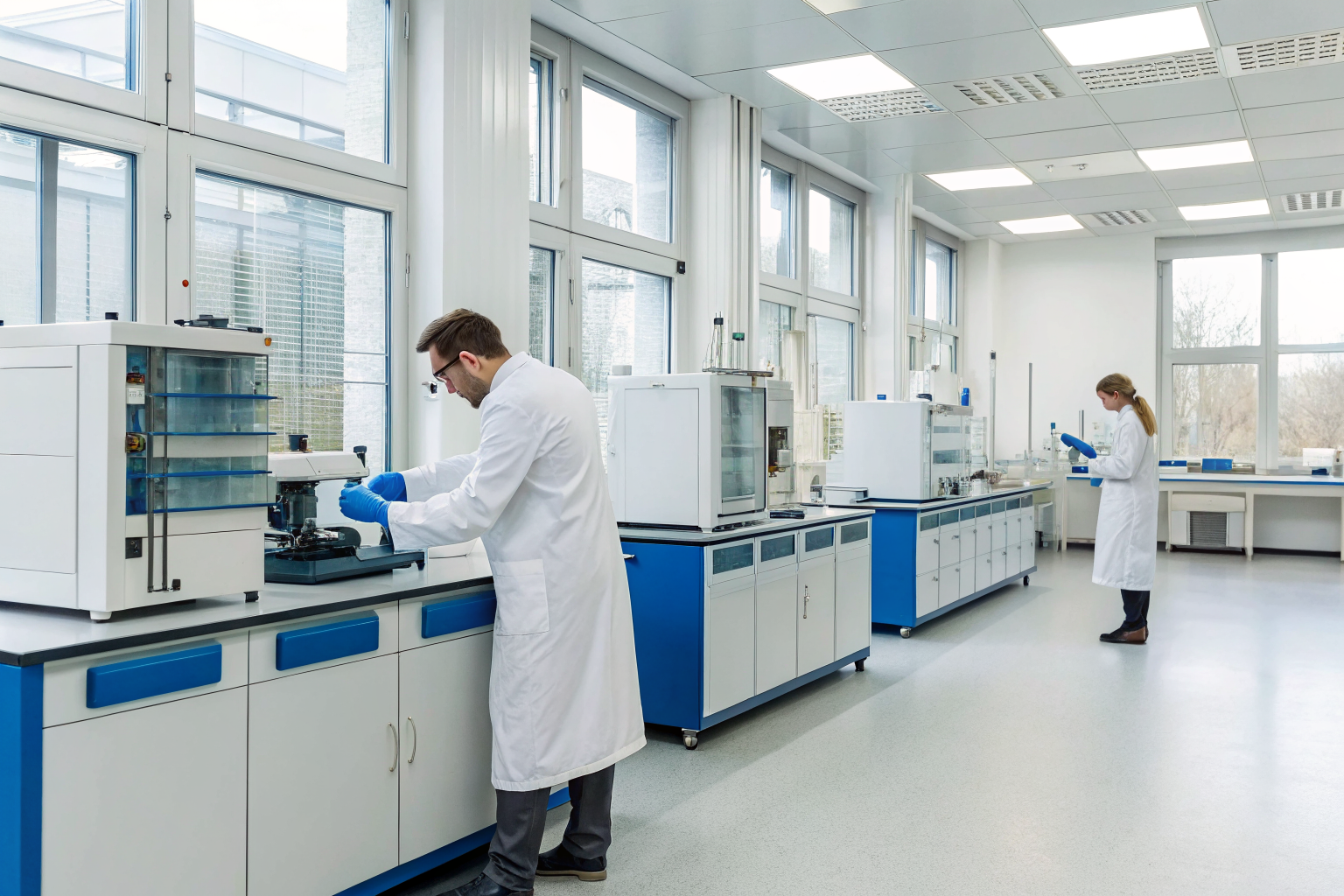
State-certified laboratories provide EPA-approved testing methods that produce legally defensible results for Maximum Contaminant Level comparisons. Certification ensures labs use proper analytical equipment, follow standard procedures, and participate in quality control programs.
• State health departments maintain certified lab directories in all 50 states. These online databases list laboratories certified for specific test types including bacteria, nitrates, heavy metals, and organic compounds. Search by your state and required test parameters.
• National Environmental Laboratory Accreditation Program (NELAP) provides additional certification for laboratories serving multiple states. NELAP labs meet higher quality standards and can provide testing for legal proceedings or regulatory compliance.
• Local extension offices often maintain lists of certified laboratories serving rural areas. County extension agents understand regional water quality issues and can recommend labs with experience testing wells in your area.
• Water treatment dealers sometimes offer testing services using certified laboratories. Verify the lab certification independently, some dealers use non-certified labs that produce legally meaningless results.
• Environmental consulting firms contract with certified laboratories for comprehensive testing services. This option works best for complex contamination situations requiring multiple test parameters and expert result interpretation.
Certification requirements vary by test type and analytical method. Bacteria testing requires different certification than heavy metals analysis. PFAS testing needs specialized certification that fewer labs maintain. Verify your chosen lab holds certification for your specific testing needs.
Cost ranges by test type reflect the complexity of analytical methods required. Basic bacteria testing costs $25-$50. Nitrate analysis adds $15-$25. Heavy metals panels range from $100-$200. PFAS testing costs $300-$600 due to specialized equipment requirements. Comprehensive testing packages offer better value than individual parameter testing.
Mail-in versus local lab options both work for most testing situations. Mail-in labs offer competitive pricing and specialized test capabilities. Local labs provide faster turnaround times and personal service. Consider your priorities for cost, speed, and test complexity when choosing between options.
Turnaround times affect how quickly you receive results and can take action on contamination findings. Standard bacteria testing takes 24-48 hours after samples reach the lab. Chemical analysis requires 5-10 business days. PFAS testing may take 2-3 weeks due to complex analytical procedures.
Understanding Your Test Results

MCL reference thresholds determine health risk level for every contaminant detected in your well water sample. These EPA-established limits represent the maximum concentration considered safe for lifetime consumption. Results above MCL require immediate action to protect your health.
Test result interpretation depends on understanding the units of measurement used for different contaminants. Parts per million (ppm) and milligrams per liter (mg/L) measure the same concentration for most practical purposes. Parts per billion (ppb) and micrograms per liter (μg/L) indicate much smaller concentrations used for toxic substances like arsenic and lead.
| Result Status | Meaning | Action Required |
|---|---|---|
| Below Detection Limit | Contaminant not found at measurable levels | Continue regular testing schedule |
| Detected Below MCL | Present but within safe limits | Monitor trends in future tests |
| At or Above MCL | Exceeds EPA health standards | Install treatment or find alternative water source |
| Coliform Positive | Bacterial contamination present | Disinfect well immediately and retest |
Maximum Contaminant Level standards apply to finished drinking water, not raw well water. You’re responsible for ensuring your water meets these standards before consumption. Treatment systems can reduce contaminant levels below MCL thresholds when properly selected and maintained.
Units of measurement translation helps you understand what the numbers mean in practical terms. One part per million equals one drop in 13 gallons of water. One part per billion equals one drop in 13,000 gallons. These tiny concentrations can still cause serious health problems for toxic substances.
When results require action depends on both the contaminant type and concentration level. Coliform bacteria presence requires immediate well disinfection regardless of count. Chemical contaminants above MCL need treatment system installation or alternative water source identification. Results near but below MCL warrant increased testing frequency.
Secondary standards govern aesthetic contaminants that affect taste, odor, and appearance but don’t pose health risks at typical concentrations. Iron, manganese, hardness, and pH have secondary standards that indicate nuisance levels rather than dangerous concentrations. Treatment for secondary standard exceedances is optional based on your tolerance for aesthetic issues.
Trend analysis across multiple test results reveals contamination patterns that single tests miss. Gradually increasing nitrate levels indicate developing contamination from septic systems or fertilizer use. Seasonal bacteria variations suggest surface water intrusion during wet periods. Compare results from the same time of year to identify meaningful trends.
False positive and false negative results can occur due to sampling errors, laboratory mistakes, or contamination during collection. Unexpected results, especially bacteria detection in previously clean wells, should prompt immediate retesting using proper collection procedures. Confirm contamination before investing in treatment systems.
Laboratory quality control measures include blank samples, duplicate analyses, and certified reference materials to verify result accuracy. Certified labs participate in proficiency testing programs that compare their results to known standards. Ask about quality control measures if you question result accuracy.
Regional Well Water Testing Considerations

Regional contaminant variation requires targeted testing protocols based on local geology, land use, and contamination sources. What threatens wells in agricultural Iowa differs from contamination risks in mining regions of Colorado or industrial areas of New Jersey.
Geographic hotspots for specific contaminants reflect natural geological processes and human activities concentrated in different regions. Arsenic exceeds MCL in wells across 25 states due to natural geological deposits in bedrock and sediments. The upper Midwest and Great Plains show elevated nitrate levels from intensive agriculture. Industrial regions in the Northeast and Great Lakes states face PFAS contamination from manufacturing activities.
State-specific requirements for private well testing vary dramatically across the country. Maine requires annual bacteria testing for wells serving rental properties. Pennsylvania mandates comprehensive testing before real estate closings. Texas has no private well testing requirements at all. Check your state health department website for local regulations.
Agricultural versus industrial contamination concerns shape testing priorities in different regions. Rural agricultural areas need extra attention to nitrates, pesticides, and bacteria from livestock operations. Industrial and urban areas require PFAS testing, volatile organic compounds, and heavy metals analysis. Suburban areas face contamination from underground storage tanks and septic systems.
Naturally occurring contaminants follow geological patterns that cross state boundaries. Arsenic occurs in groundwater throughout New England, the Southwest, and parts of the Midwest due to volcanic rocks and sedimentary formations. Radon appears in wells across the Appalachian Mountains, Rocky Mountains, and parts of the upper Midwest. Fluoride reaches high concentrations in groundwater across Texas, Colorado, and other western states.
Seasonal contamination patterns vary by climate and agricultural practices. Spring snowmelt brings surface contamination into shallow wells across northern states. Summer irrigation return flow concentrates agricultural chemicals in western groundwater. Fall fertilizer applications increase nitrate risks across the Corn Belt. Winter road salt applications affect wells near highways in snow belt states.
Watershed-specific risks require local knowledge about contamination sources uphill and upgradient from your well. Livestock operations, septic systems, landfills, gas stations, and dry cleaners all pose different contamination risks depending on their location relative to your well and groundwater flow direction.
State geological surveys provide contamination risk maps showing areas of known groundwater contamination. These resources help identify which contaminants pose the highest risk in your specific location. Use geological survey data to prioritize testing parameters and frequency.
Local extension offices understand regional water quality issues and can recommend testing protocols appropriate for your area. Extension agents work with farmers and rural residents dealing with similar groundwater conditions. They often maintain lists of certified laboratories familiar with regional contamination patterns.
Frequently Asked Questions
How to get well water tested?
Contact your state health department for a certified lab directory or search online databases. Most certified labs accept mail-in samples with provided sterile containers and instructions. Local labs may offer pickup services for an additional fee.
Do I need to test my well water?
Yes, private wells receive zero EPA oversight under the Safe Drinking Water Act. You are responsible for testing to ensure your water meets health standards. The CDC recommends annual bacteria testing plus chemical analysis every 3-5 years minimum.
What is a well water testing schedule?
Test for bacteria annually, nitrates and pH every 3 years, and heavy metals every 5 years. Test immediately after any contamination event, nearby construction, or changes in taste, odor, or appearance. New wells require testing within 6 months of installation.
What are private well water testing requirements?
No federal requirements exist for private wells under the Safe Drinking Water Act. State requirements vary but typically mandate testing for real estate transactions and new well installations. Some states require annual bacteria testing for wells serving multiple homes.