Reverse osmosis well water systems excel at removing chemical contaminants like arsenic and PFAS, but they can’t touch bacteria and waste 75% of your water in the process. Most well owners don’t know these critical limitations before buying.
Key Takeaways:
- RO systems remove arsenic, PFAS, nitrate, and lead to below EPA limits, but miss bacteria, hydrogen sulfide, and iron staining
- Every RO system wastes 3-4 gallons per gallon produced, expect your water bill to increase if you’re on municipal backup
- Pre-filtration costs $200-800 upfront and requires filter changes every 6-12 months to prevent membrane damage
What Does Reverse Osmosis Actually Remove from Well Water?
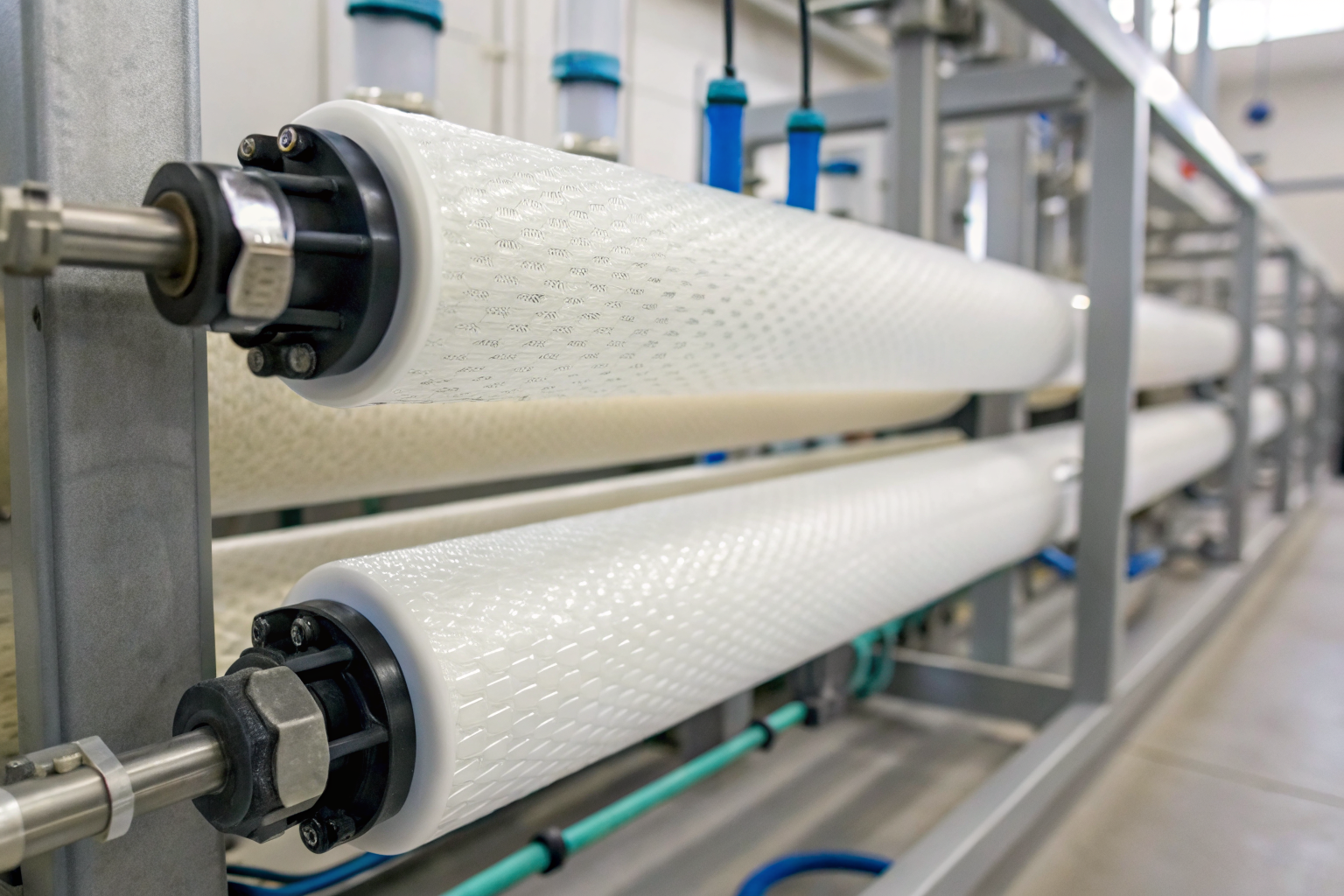
Reverse osmosis systems remove dissolved chemical contaminants by forcing water through semi-permeable membranes with microscopic pores. The membrane blocks contaminants larger than 0.0001 microns while allowing pure water molecules to pass through.
RO excels at removing specific contaminant categories while completely missing others. Understanding these gaps prevents expensive mistakes.
| Contaminant Category | Removal Rate | Examples |
|---|---|---|
| Heavy metals | 95-99% | Arsenic, lead, mercury, chromium |
| Synthetic chemicals | 95-99% | PFAS, pesticides, pharmaceuticals |
| Dissolved salts | 95-98% | Nitrate, fluoride, sodium chloride |
| Bacteria and viruses | 0% | E. coli, coliform, hepatitis A |
| Gases | 0% | Hydrogen sulfide, radon, methane |
| Large particles | 0% | Iron sediment, sand, rust flakes |
The membrane pore size explains these results. Chemical contaminants dissolve into individual molecules small enough to be blocked. Bacteria at 0.5-3.0 microns are massive compared to the 0.0001-micron pores, but they bypass the membrane through damaged seals, imperfect connections, or biofilm formation on the membrane surface.
RO systems function as arsenic removal systems and PFAS treatment technology, making them essential for wells with these specific contaminants. They cannot serve as complete well water treatment without additional technologies addressing microbiology and gases.
What Are the Major Gaps in RO Treatment for Well Water?
Reverse osmosis systems cannot remove bacterial contamination and gases, creating dangerous blind spots for well owners who rely on RO alone. These gaps matter because well water commonly contains contaminants outside RO’s capability range.
Bacterial contamination passes through damaged seals. RO membranes have pore sizes of 0.0001 microns, but bacteria at 0.5-3.0 microns pass through damaged seals, imperfect housing connections, or cross-contamination during filter changes.
Hydrogen sulfide creates rotten egg odors. This dissolved gas passes through RO membranes unchanged, leaving your treated water with the same sulfur smell that prompted treatment in the first place.
Iron bacteria forms biofilms that breach membranes. These organisms create slimy deposits that protect bacteria colonies and provide pathways around the membrane barrier.
Radon gas concentrates in treated water. RO removes dissolved minerals but concentrates radon gas, potentially increasing radiation exposure in the treated water supply.
Volatile organic compounds (VOCs) vaporize during treatment. Gasoline, heating oil, and solvent contamination requires activated carbon pre-treatment that most RO systems skip.
Well water contaminant profiles typically include multiple categories. RO addresses dissolved chemicals but leaves microbiology and gases untouched, requiring additional treatment stages.
How Much Water Does RO Actually Waste?
Reverse osmosis systems produce 3-4 gallons of wastewater per gallon of treated water. This waste ratio means a family using 300 gallons per day needs 1,200-1,500 total gallons from their well to meet demand.
Standard RO systems waste 3-4 gallons per gallon produced, meaning 400-500 gallons wasted per day for average family consumption. The waste water carries rejected contaminants and dissolved minerals to drain, requiring continuous flow to prevent membrane fouling.
Well recovery rates determine whether this waste volume creates problems. Wells producing 5-10 gallons per minute handle RO waste without issues. Wells producing 2-3 gallons per minute may struggle during peak demand periods, especially during summer months when static water levels drop.
High-efficiency RO systems reduce waste to 2:1 ratios but cost 40-60% more upfront. These systems use recirculation pumps and pressure regulation that standard units lack.
Waste disposal adds costs if you’re connected to municipal sewer systems. The rejected water contains concentrated contaminants that some treatment plants consider industrial discharge, potentially triggering surcharge fees.
What Pre-Filtration Do You Need Before RO?
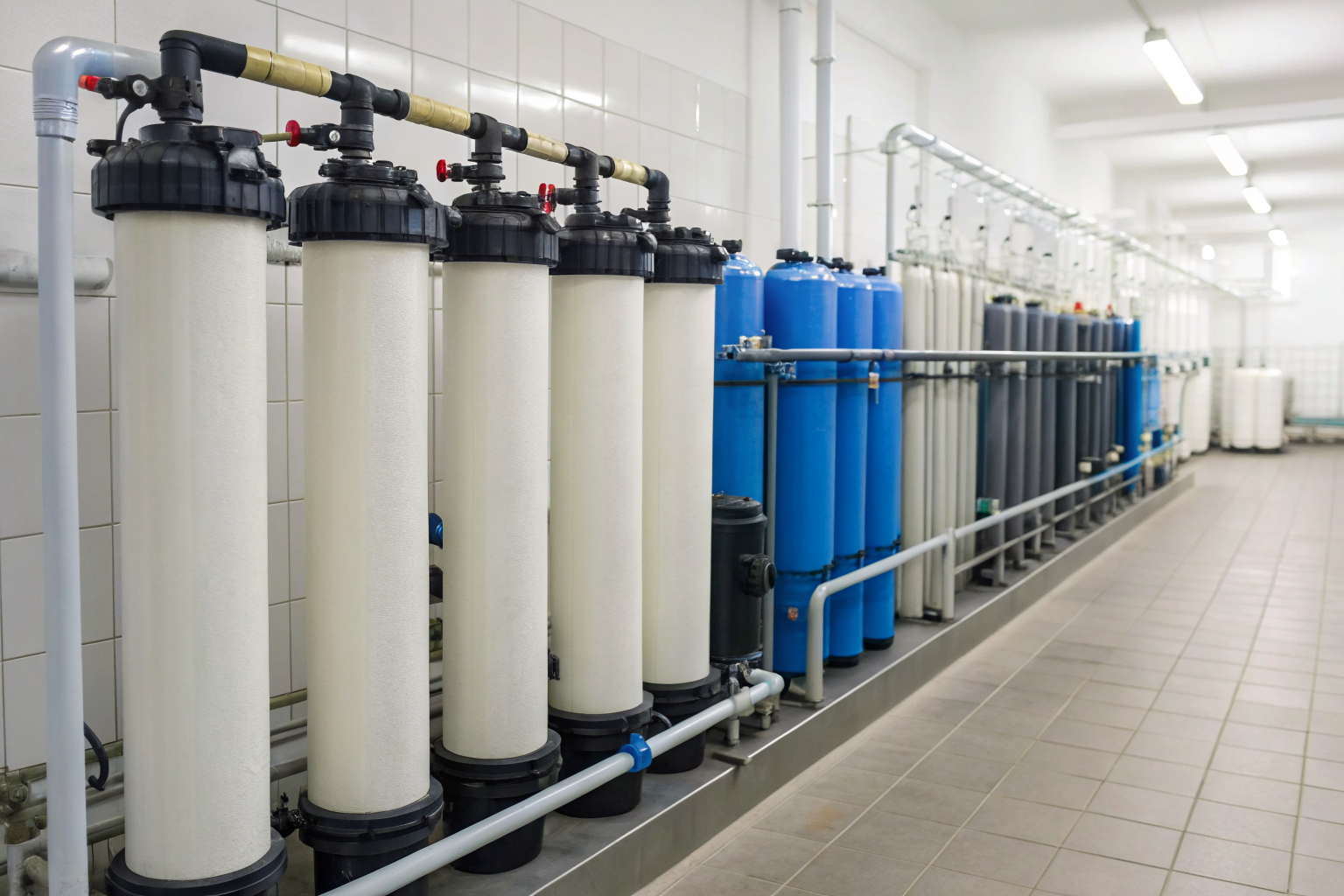
Pre-filtration systems protect reverse osmosis membranes from damage and extend their operational life. Well water requires multiple pre-treatment stages before reaching the RO membrane.
Install sediment filtration first. Use 20-micron sediment filters to remove sand, rust particles, and debris that physically damage membrane surfaces. Replace every 3-6 months depending on sediment load.
Add activated carbon filtration for chlorine removal. Carbon filters remove chlorine that dissolves RO membranes within weeks. Install 5-micron carbon blocks with 6-12 month replacement schedules.
Treat iron contamination before RO contact. Iron levels above 0.3 ppm require oxidation filtration before RO to prevent membrane fouling within 6 months. Use birm or greensand filtration with backwash cycles.
Install chemical oxidation injection for hydrogen sulfide. Inject chlorine or hydrogen peroxide upstream of carbon filtration to convert hydrogen sulfide to removable compounds before membrane contact.
Size pressure tanks correctly for continuous flow. RO systems need 40-60 PSI constant pressure. Install pressure booster pumps if well pressure drops below 40 PSI during peak demand.
Pre-filtration costs $200-800 upfront depending on well water chemistry complexity. These systems require filter changes every 6-12 months, adding $100-300 annual maintenance costs to RO operation.
How Often Do You Replace RO System Components?
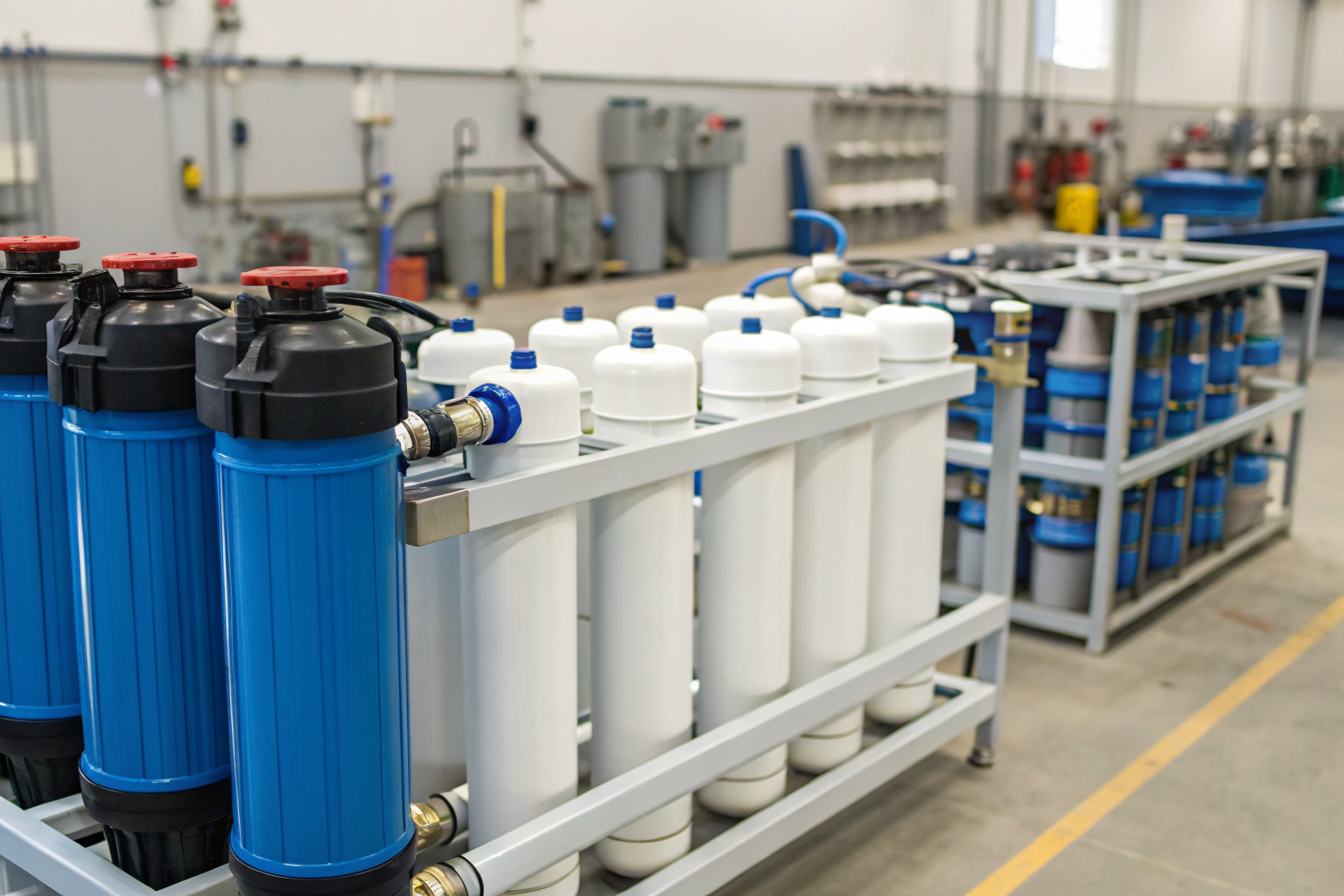
RO system components require replacement on specific schedules based on water quality and usage volume. Proper pre-filtration extends component life, while contaminated water accelerates replacement needs.
| Component | Replacement Schedule | Cost Range | Warning Signs |
|---|---|---|---|
| Sediment pre-filter | 3-6 months | $15-30 each | Reduced flow rate, visible particles |
| Carbon pre-filter | 6-12 months | $25-50 each | Chlorine taste, chemical odors |
| RO membrane | 2-3 years | $75-150 each | TDS creep, reduced rejection rates |
| Post-carbon filter | 12 months | $20-40 each | Off-taste in treated water |
| Storage tank bladder | 5-7 years | $100-200 | Waterlogged tank, pressure loss |
RO membranes last 2-3 years with proper pre-filtration but only 6-12 months with untreated iron or chlorine exposure. Monitor total dissolved solids (TDS) in treated water monthly. TDS creep above 10% of incoming levels signals membrane degradation.
Pre-filter change intervals depend on contamination levels. Wells with high sediment loads require monthly sediment filter changes. Wells with iron bacteria may need weekly carbon filter replacement during treatment startup.
Storage tanks develop bladder failures after 5-7 years of service. Waterlogged tanks deliver inconsistent pressure and reduce system capacity. Replace tank bladders when pressure drops occur within hours of pump shutdown.
Component replacement costs $200-400 annually for typical residential systems. High-contamination wells double these costs through accelerated filter consumption.
Should You Choose RO for Your Well Water Problem?
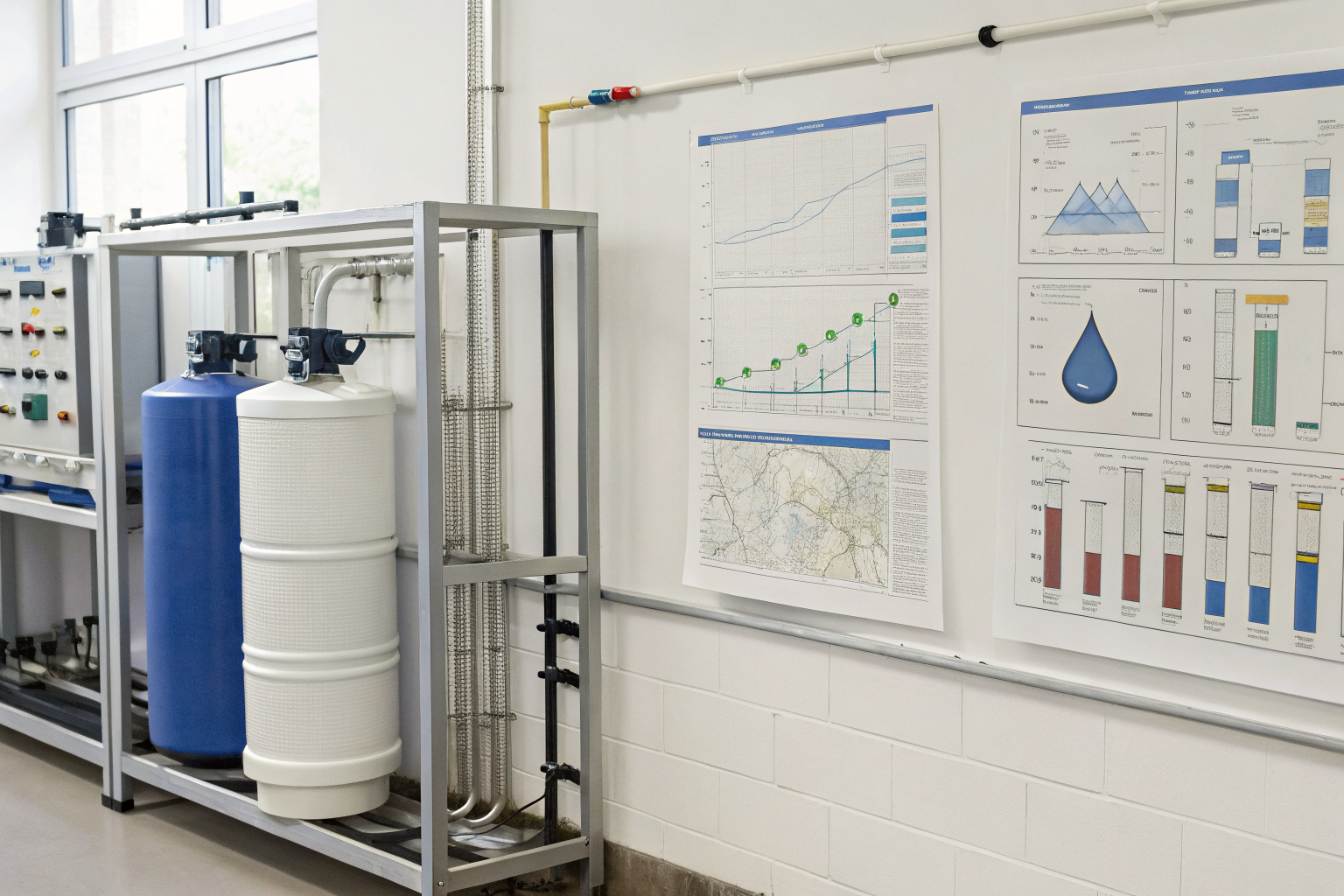
RO systems work best for specific well water chemistry profiles containing dissolved chemical contaminants that other technologies cannot address. Cost-effectiveness depends on contaminant types and treatment alternatives.
| Water Chemistry | RO Recommendation | Alternative Options |
|---|---|---|
| Arsenic above 10 ppb | Excellent choice | Activated alumina, iron coagulation |
| PFAS contamination | Best available technology | Activated carbon (limited) |
| Nitrate above 10 ppm | Cost-effective solution | Ion exchange, biological treatment |
| Iron staining only | Poor fit, expensive | Iron filtration, water softening |
| Bacterial contamination | Inadequate treatment | UV disinfection, chlorination |
| High TDS, multiple contaminants | Good whole-house option | Combination treatment systems |
RO costs $0.10-0.15 per gallon produced when factoring equipment, maintenance, and waste water disposal. Compare this to bottled water at $1-3 per gallon or targeted treatment systems that address specific contaminant categories without waste water production.
Choose RO when your well water contains arsenic, PFAS, nitrate, or multiple dissolved chemicals above EPA limits. Skip RO for iron staining, bacterial issues, or single-contaminant problems with targeted solutions.
Well water contaminant testing determines RO suitability. Test for the complete spectrum before committing to RO technology, since pre-treatment requirements and waste water volumes make poor matches expensive mistakes.
Frequently Asked Questions
Does reverse osmosis work better than other treatments for well water?
RO excels at removing dissolved chemicals like arsenic, PFAS, and nitrate that other systems can’t touch. However, it requires extensive pre-filtration and wastes significant water, making it expensive for whole-house applications compared to targeted treatments for specific contaminants.
Can I install a reverse osmosis system myself on well water?
Point-of-use RO systems are DIY-friendly, but well water typically requires pre-filtration for iron, sediment, and chlorine that complicates installation. Whole-house RO systems need professional installation due to complex pre-treatment requirements and pressure tank sizing.
Will reverse osmosis make my well water taste better?
RO removes dissolved minerals that affect taste, creating very pure water that some find bland or flat. It won’t fix hydrogen sulfide (rotten egg smell) or bacterial contamination, which require different treatment technologies before the RO system.