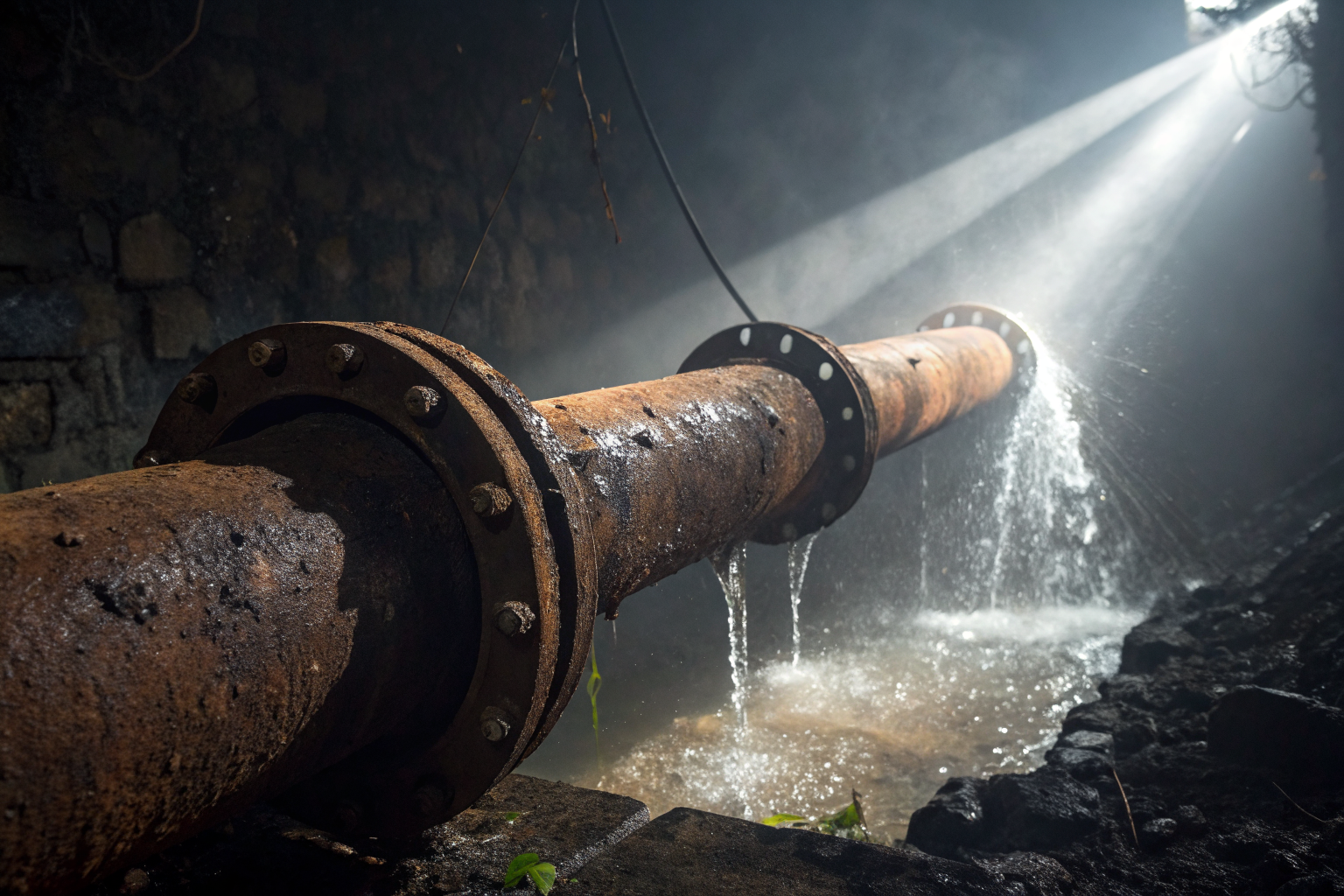
Acidic well water treatment stops the silent destruction happening inside your plumbing right now. Low pH water silently destroys your plumbing from the inside out while leaching lead and copper directly into your drinking water.
Key Takeaways:
- pH below 6.5 causes pipe corrosion that leaches copper and lead into your drinking water at dangerous levels
- Calcite neutralizer sizing requires 1.5 cubic feet of media per 10 GPM flow rate for effective pH correction
- Blue-green stains on fixtures indicate copper leaching from acidic water, a sign of immediate plumbing damage
What Is Acidic Well Water and Why Does pH Below 6.5 Matter?
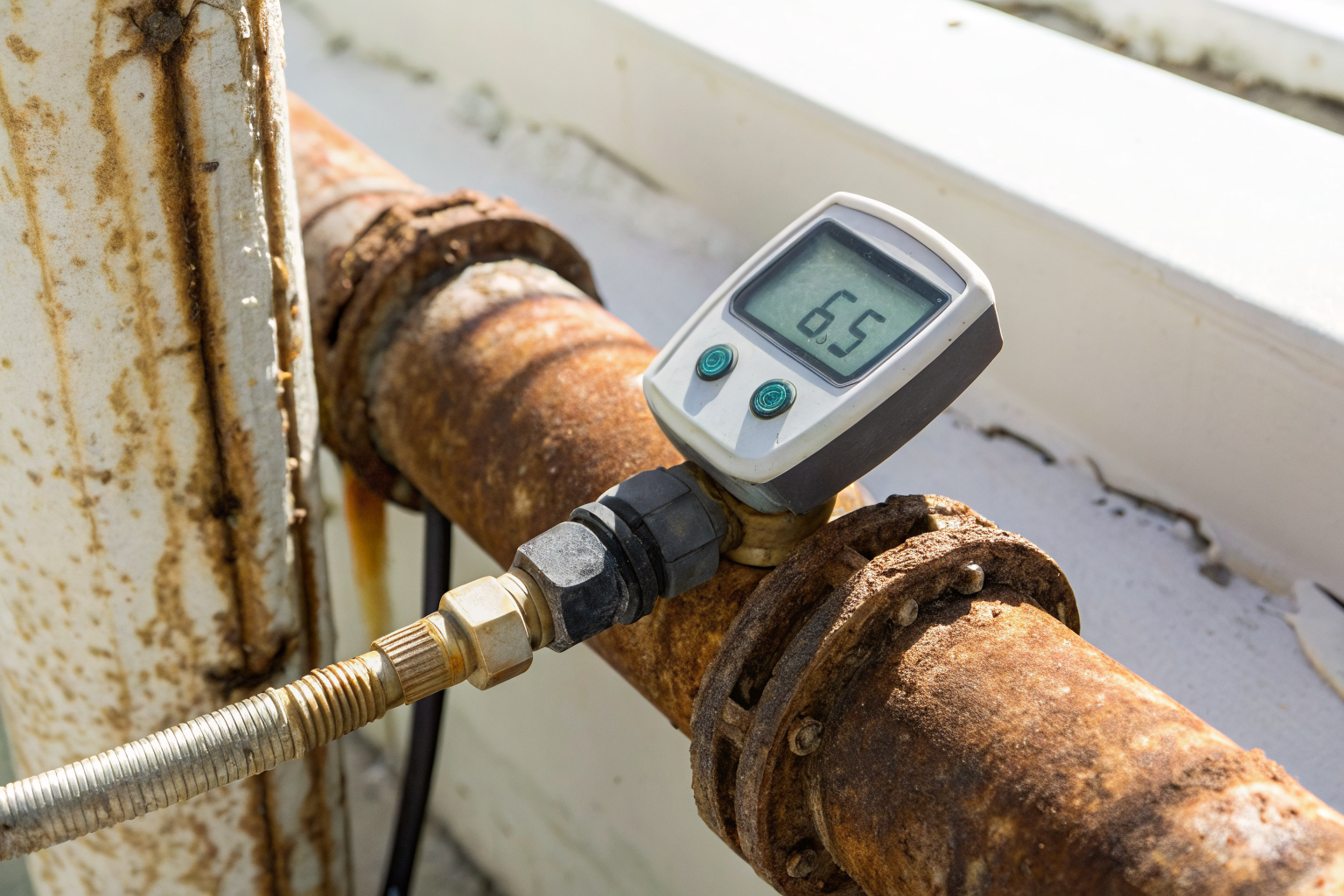
Acidic well water is water with a pH below 6.5 on the 0-14 pH scale. This means your water has enough free hydrogen ions to attack metal surfaces in your plumbing system. The difference between pH 7.0 (neutral) and pH 6.0 might seem small, but it represents a 10-fold increase in acidity.
The EPA recommends pH between 6.5-8.5 for corrosion control in drinking water systems. Below 6.5, water becomes corrosive to copper pipes, lead solder joints, and galvanized steel. This corrosivity turns your plumbing into a metal extraction system, dissolving copper and lead directly into your drinking water.
Natural factors cause low pH in well water. Groundwater moving through granite, sandstone, or areas with organic matter picks up acids that lower pH. Rain and snowmelt start slightly acidic (pH 5.6) and can drive pH even lower as they percolate through certain soil types.
The health risk comes from what acidic water dissolves, not the low pH itself. When pH drops below 6.5, your copper pipes and lead solder joints start breaking down. The resulting copper and lead contamination creates the real danger, neurological problems in children, kidney damage, and cardiovascular issues in adults.
How Low pH Water Destroys Your Plumbing and Contaminates Your Water
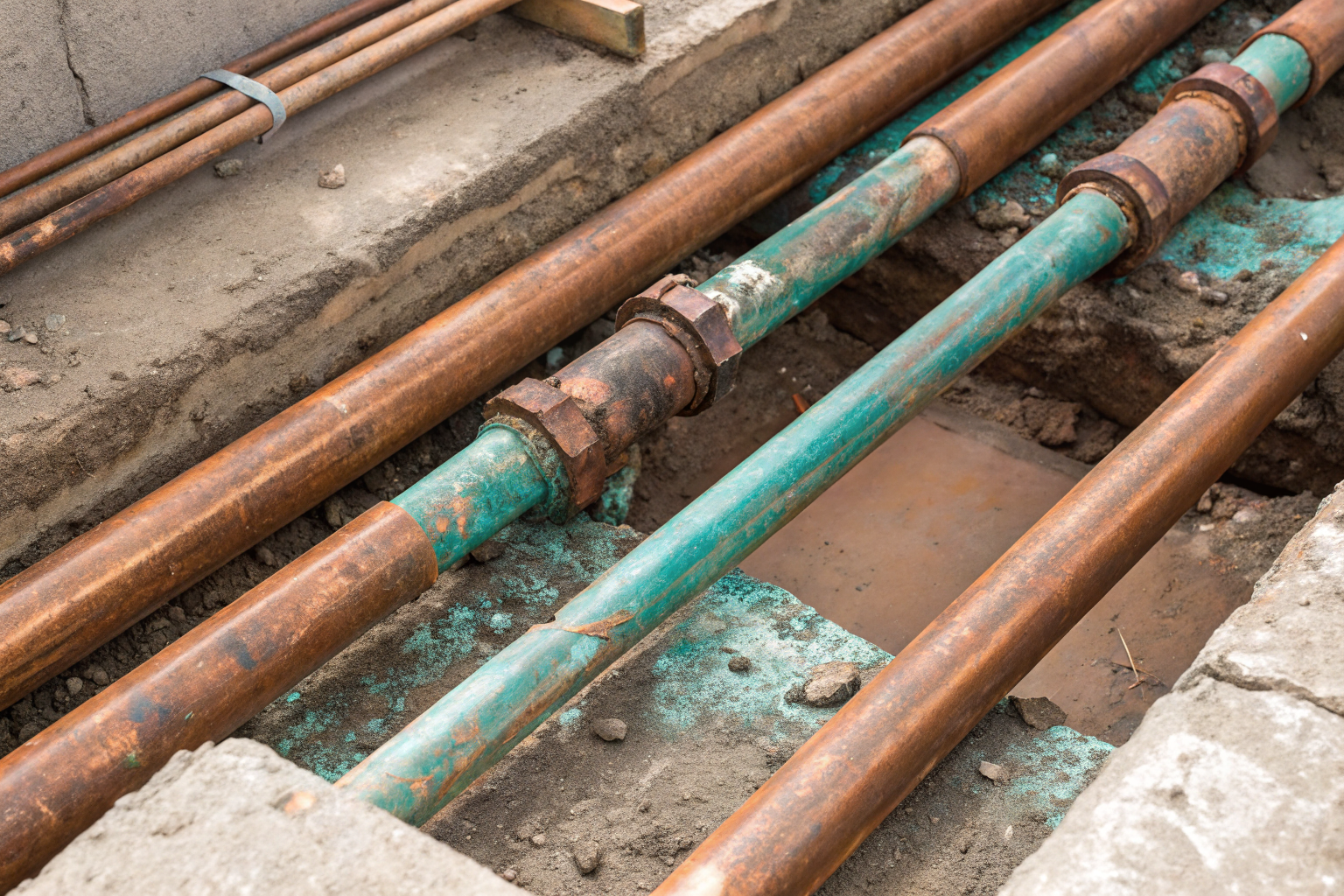
Low pH water acts like a weak acid bath running through your pipes 24 hours a day. The hydrogen ions in acidic water attack metal surfaces through electrochemical corrosion. Copper pipes develop pinhole leaks. Lead solder joints dissolve. Galvanized steel pipes pit and fail.
Blue-green stains on your sinks and fixtures are the warning sign everyone ignores. These stains indicate copper levels above 1.3 ppm action level, the EPA threshold for immediate action. The copper creating those stains came from your pipes, and it passed through your drinking water first.
Pinhole leaks appear in copper pipes after 5-10 years of acidic water exposure. These aren’t random failures, they follow a pattern. Look for clusters of tiny holes on the bottom of horizontal pipes where acidic water pools. The leaks start small but multiply as corrosion accelerates.
Metallic taste in your water signals advanced corrosion damage. By the time you taste copper or iron, metal leaching has been happening for months or years. Children are most vulnerable because their developing nervous systems absorb lead and copper at higher rates than adults.
The hidden damage happens inside your water heater. Acidic water attacks the tank lining and heating elements faster than normal water. Tank failures occur 2-3 years earlier with pH below 6.0. The dissolved metals from your water heater contaminate every hot water tap in your house.
Corrosion damage is irreversible. Installing pH correction won’t repair existing pipe damage, it only prevents further deterioration. Severely corroded systems need pipe replacement before pH correction can be effective.
What pH Correction Systems Actually Work for Well Water?
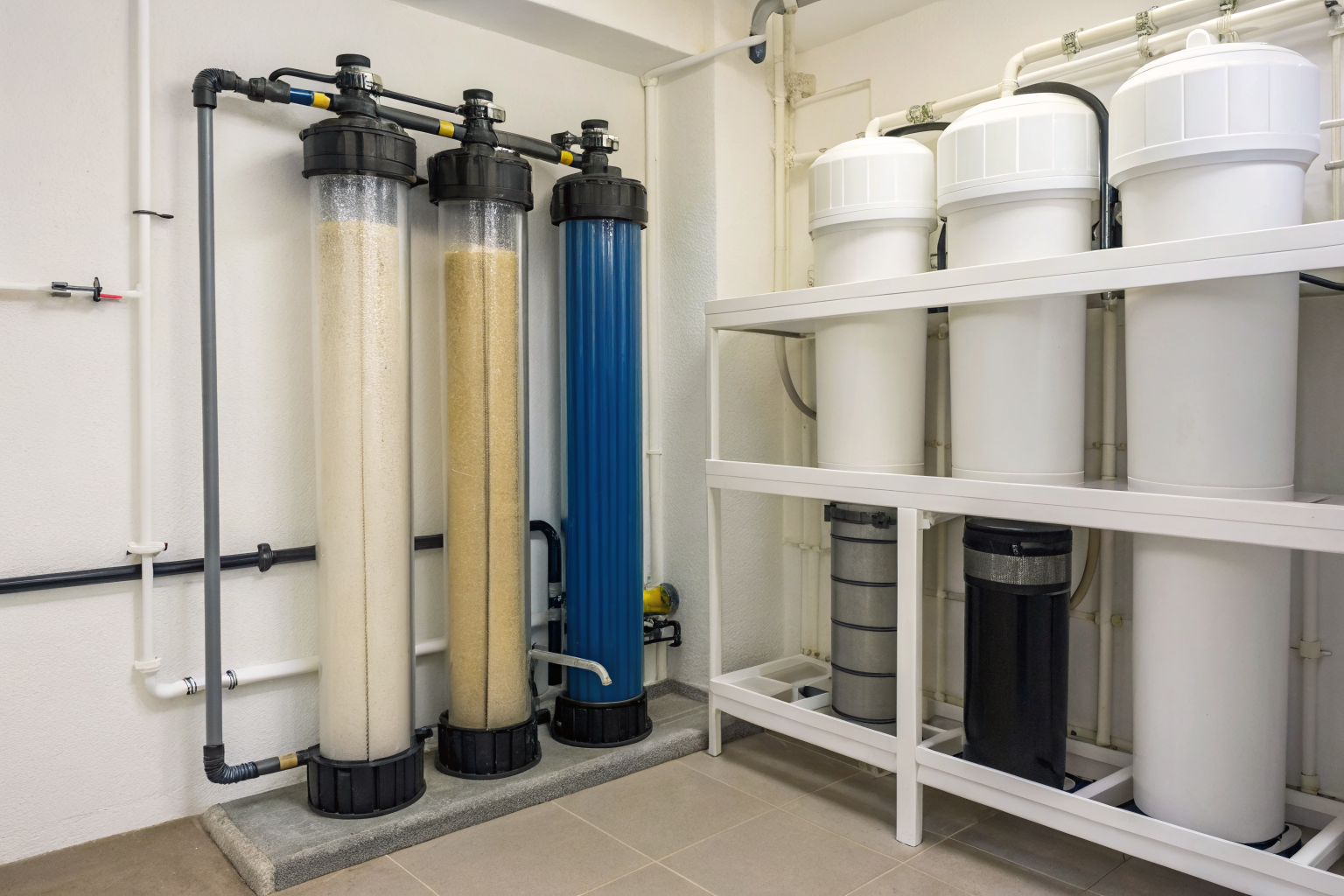
Neutralizing filters use mineral media to raise pH through controlled dissolution. Calcite (calcium carbonate) and corosex (magnesium oxide) are the two proven media types that work for private wells. The choice depends on your starting pH level and desired correction range.
| System Type | pH Range Treated | Media Lifespan | Flow Rate Impact | Maintenance |
|---|---|---|---|---|
| Calcite Only | 6.0-6.9 | 3-5 years | Minimal | Annual backwash |
| Corosex Blend | 5.0-6.9 | 2-3 years | 10-15% reduction | Monthly backwash |
| Soda Ash Injection | 4.0-6.5 | Chemical refill | None | Weekly checks |
| Caustic Injection | 3.0-6.0 | Chemical refill | None | Professional service |
Calcite neutralizers work for most well owners with pH between 6.0-6.9. The calcium carbonate dissolves slowly, raising pH gradually without overcorrection. Calcite systems are self-limiting, they stop dissolving when pH reaches 7.5-8.0, preventing dangerous pH swings.
Corosex blends handle severely acidic water below pH 6.0. Magnesium oxide is more reactive than calcite and raises pH faster. But corosex can overcorrect if not properly sized, creating high pH problems. Most installers use 95% calcite, 5% corosex for controlled correction.
Chemical injection systems work for extreme cases with pH below 5.0. Soda ash (sodium carbonate) or caustic soda (sodium hydroxide) provide precise pH control but require careful monitoring and regular chemical replacement. These systems need professional installation and maintenance.
How Do You Size a Neutralizing Filter for Your Water Flow?
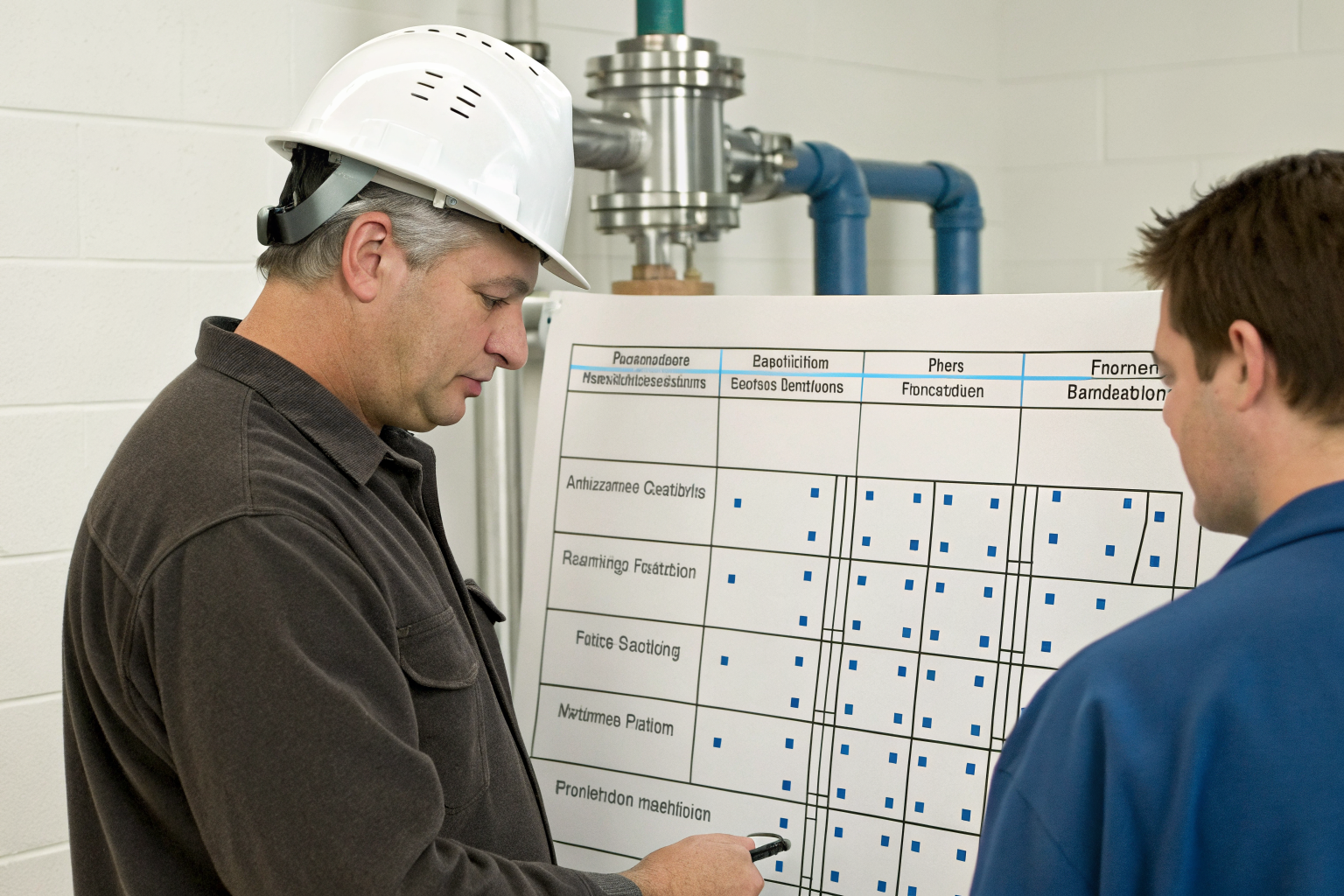
Proper neutralizer sizing prevents undercorrection and system failure. Undersized systems can’t keep up with water demand during peak usage. Oversized systems waste media and create uneven flow distribution.
Calculate your peak flow rate. Count the number of fixtures that might run simultaneously and multiply by their flow rates. A typical house needs 8-12 GPM capacity during peak demand periods.
Determine your pH correction requirement. Measure the difference between your current pH and target pH (7.0-7.5). Each 0.5 pH unit increase requires proportionally more media contact time.
Size the media bed using the 1.5 cubic feet per 10 GPM rule. Standard sizing requires 1.5 cubic feet of calcite media per 10 GPM flow rate for pH 6.5 water. Lower pH needs larger media beds.
Add 20% capacity for pH fluctuations. Well water pH varies seasonally and after heavy rainfall. Size your system to handle the lowest pH readings, not average conditions.
Select tank diameter based on flow rate. Use 10-inch diameter tanks for flows up to 8 GPM. 12-inch tanks handle 8-15 GPM. 13-inch tanks work for 15-25 GPM applications.
Undersized neutralizers create channeling where water flows through media without adequate contact time. This results in inconsistent pH correction and premature media depletion. The fix requires upsizing to the proper media volume.
Where Does pH Correction Fit in Your Treatment System Sequence?
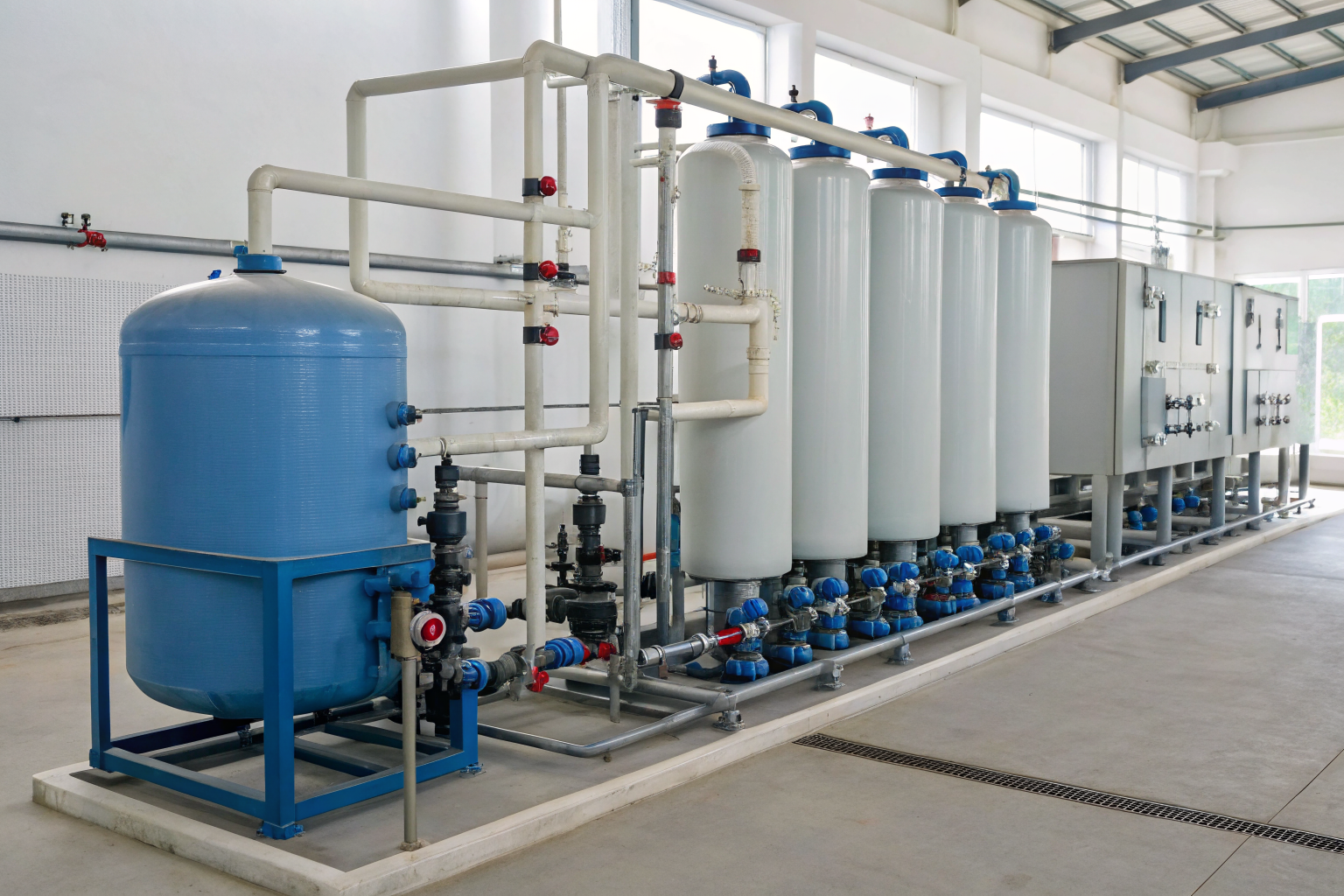
Installation order determines treatment effectiveness across your entire system. pH affects how other treatment technologies work, making proper sequencing critical for system performance.
• pH correction comes first in the treatment sequence. Low pH water interferes with iron oxidation, reduces UV disinfection effectiveness, and shortens water softener resin life. Correct pH before other treatment steps.
• Iron filtration requires pH above 7.0 for effective oxidation. Ferrous iron won’t oxidize to filterable ferric iron in acidic conditions. Install neutralizers upstream of iron filters to enable proper oxidation chemistry.
• Water softeners work better at neutral pH but don’t fix corrosion. Softeners remove hardness minerals but can’t raise pH or stop pipe corrosion. Acidic soft water is more corrosive than acidic hard water.
• UV systems need pH between 6.5-8.5 for maximum UV transmission. Acidic water reduces UV penetration and allows bacteria to survive disinfection. pH correction improves UV effectiveness while protecting the UV chamber from corrosion.
• Reverse osmosis systems suffer membrane damage from low pH water. Acidic water shortens RO membrane life and reduces rejection rates. Install neutralizers before RO systems to protect the investment and maintain performance.
The thing that catches people off guard is that water softeners don’t prevent corrosion damage. Acidic soft water corrodes pipes faster than acidic hard water because hardness minerals provide some protective coating on pipe walls.
Frequently Asked Questions
Can I just add baking soda to my well water to fix low pH?
Adding baking soda manually won’t provide consistent pH correction and can create dangerous pH swings. You need an automatic neutralizing filter system that doses minerals proportionally to your water usage for safe, stable pH correction.
How do I know if my well water is acidic without testing?
Blue-green stains on sinks and fixtures indicate copper leaching from acidic water corrosion. Pinhole leaks in copper pipes and metallic taste are also signs of low pH water attacking your plumbing system.
Will a water softener fix acidic well water problems?
Water softeners cannot raise pH or stop corrosion, they only remove hardness minerals. Acidic water will continue corroding your pipes and leaching metals even with a water softener installed.