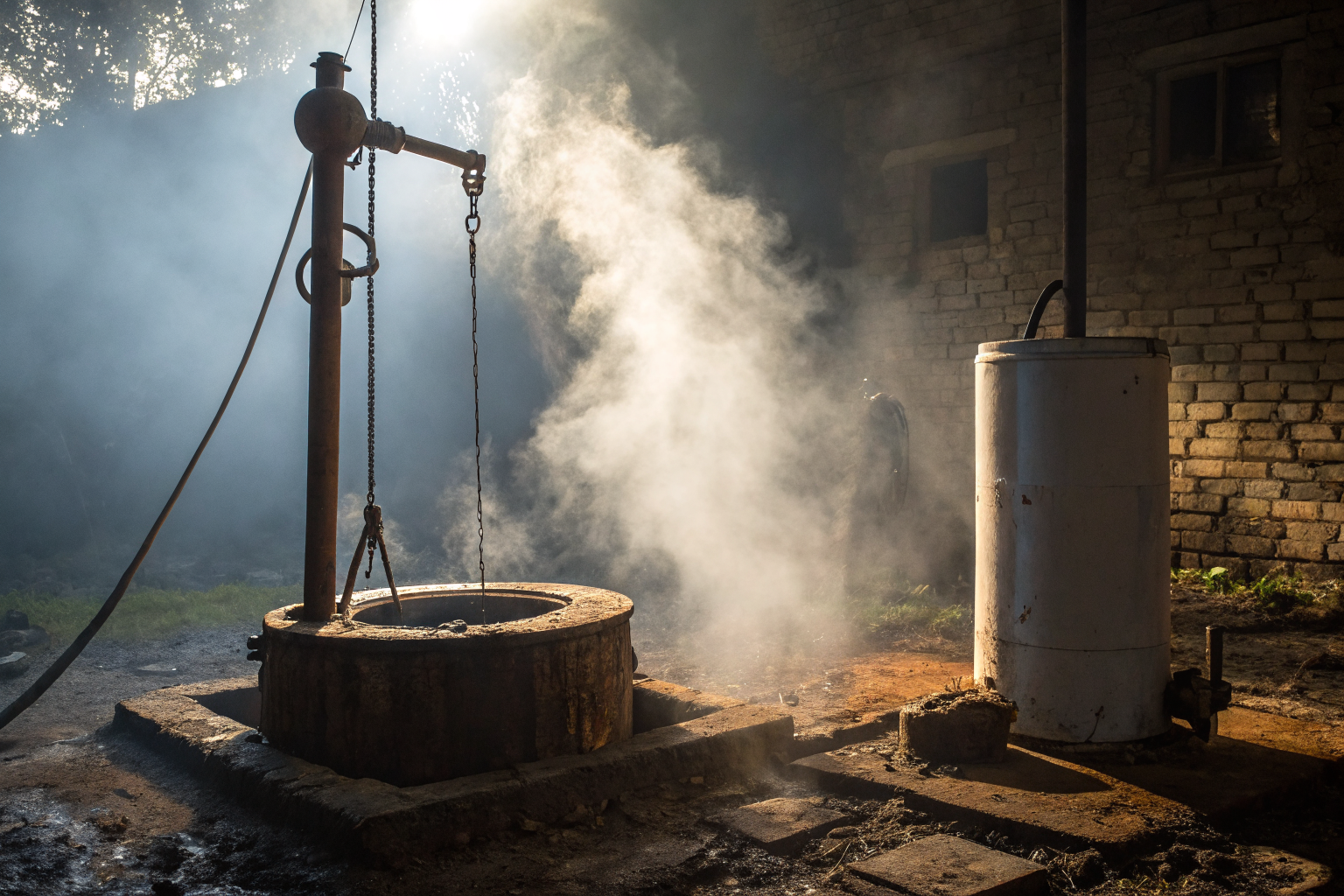
Rotten egg smell well water treatment starts with diagnosing whether the sulfur odor comes from your water heater or your well itself. The rotten egg smell from your faucet could mean a $50 anode rod replacement or a $3,000 hydrogen sulfide treatment system, and most homeowners waste money guessing wrong.
Key Takeaways:
• Hot-water-only sulfur smell indicates a water heater anode rod problem (3-hour fix), while all-tap smell means hydrogen sulfide in your well (treatment required)
• Hydrogen sulfide concentrations below 1 ppm respond to aeration systems, while levels above 5 ppm require oxidation filtration or chemical injection
• Treatment costs range from $800 for basic aeration to $4,500 for chemical injection systems, depending on your H2S concentration and water chemistry
Is the Sulfur Smell Coming from Your Water Heater or Your Well?
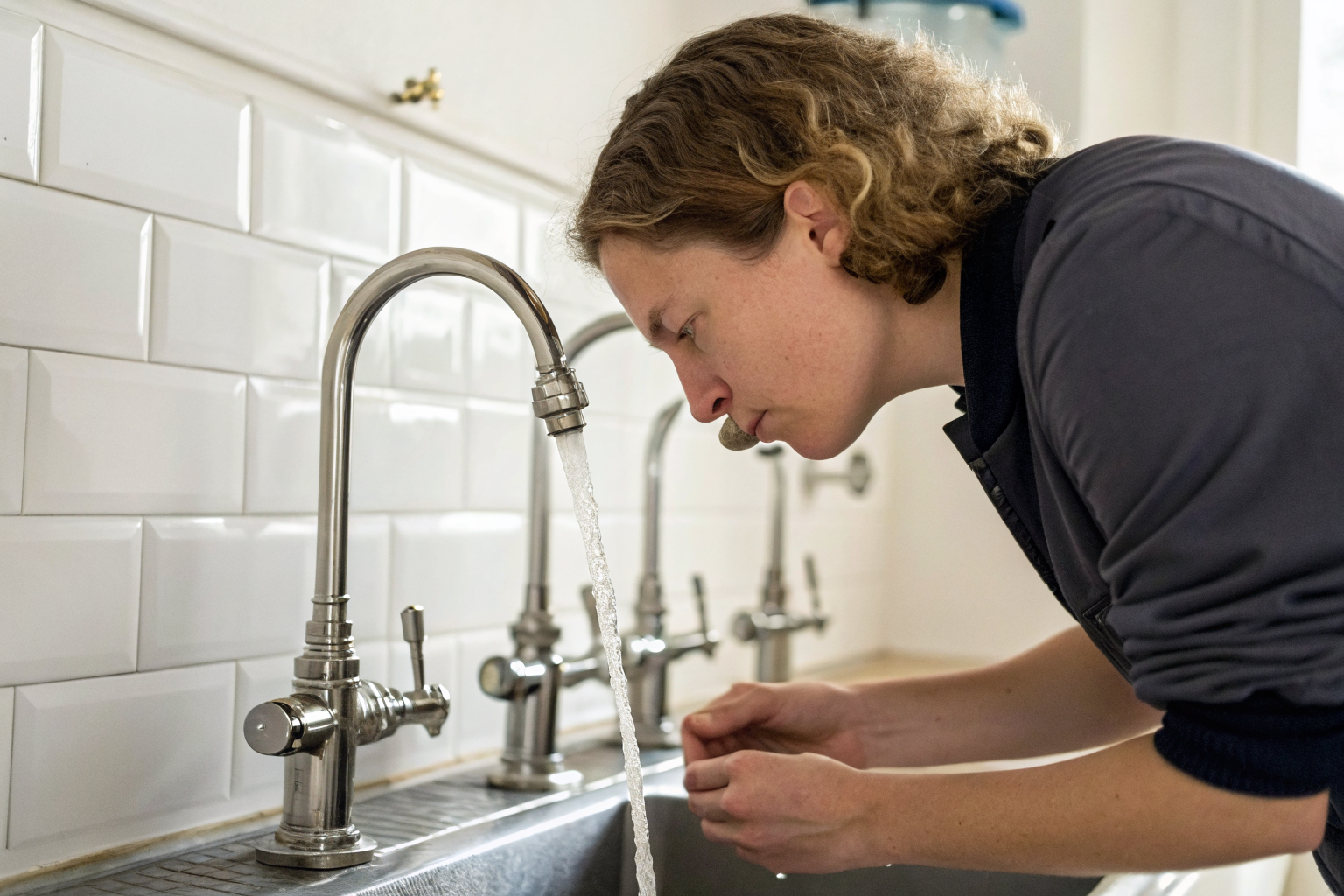
Anode rod replacement eliminates hot water sulfur smell in most cases. Follow this diagnostic sequence to identify the source:
Turn on hot water taps throughout your house. Let each run for 30 seconds and smell the water directly from the tap. Note which taps have sulfur odor.
Turn on cold water taps at the same locations. Run cold water for 30 seconds at each tap and check for sulfur smell.
Compare hot vs cold water results. If only hot water smells like sulfur, your water heater anode rod is the culprit. If both hot and cold water smell, hydrogen sulfide is in your well water.
Check outside spigots with cold water only. These bypass your water heater entirely. Sulfur smell here confirms well water contamination.
Magnesium anode rods create hydrogen sulfide in water heaters after 3-5 years of use. The magnesium reacts with sulfate in your water, producing hydrogen sulfide gas that dissolves into the hot water. Replacing the magnesium anode rod with an aluminum rod stops this reaction.
If the smell comes from all taps, both hot and cold, your well contains hydrogen sulfide that requires specific treatment based on concentration levels. Water heater fixes won’t solve well contamination.
What Causes Hydrogen Sulfide in Private Wells?
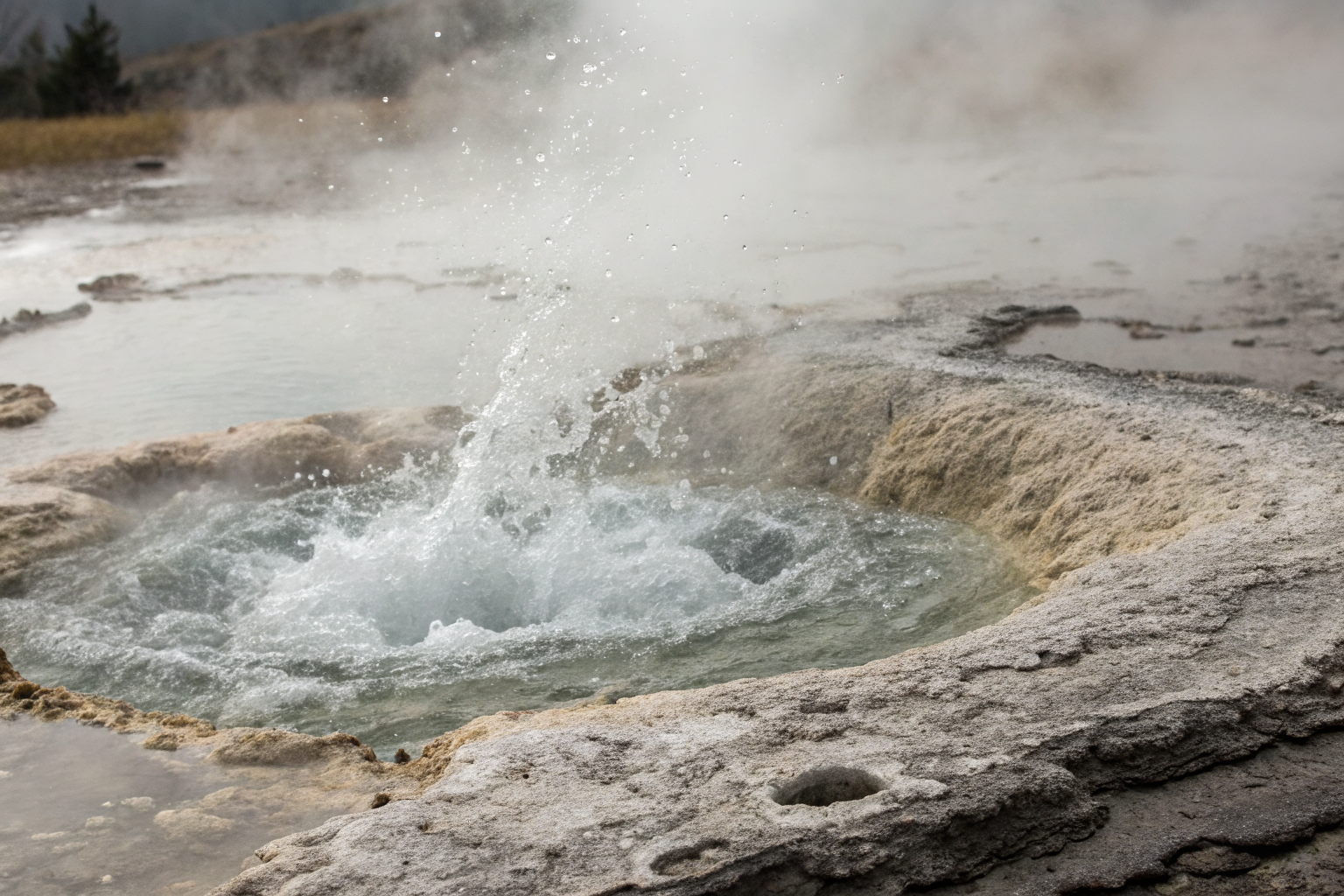
Hydrogen sulfide is a dissolved gas that creates the characteristic rotten egg odor in well water. This means the gas forms naturally through bacterial processes or geological reactions in groundwater.
Sulfur-reducing bacteria produce hydrogen sulfide gas as they consume organic matter in oxygen-poor groundwater environments. These bacteria thrive in deep aquifers, abandoned wells, and areas with decaying organic material. The bacteria convert sulfate minerals into hydrogen sulfide, which dissolves into the groundwater.
Geological sources also contribute hydrogen sulfide through natural chemical reactions in sulfur-rich rock formations. Shale, gypsum, and other sedimentary rocks release hydrogen sulfide when groundwater contacts these formations under low-oxygen conditions.
Seasonal variations affect hydrogen sulfide concentrations. Summer heat increases bacterial activity, often doubling hydrogen sulfide production. Spring flooding can introduce organic matter into aquifers, feeding bacteria and increasing gas production for months.
Hydrogen sulfide occurs in approximately 15% of private wells nationwide, with concentrations ranging from trace levels to over 10 ppm. Wells in sedimentary geology, agricultural areas, and regions with high organic content show higher occurrence rates.
How Do You Test for Hydrogen Sulfide in Well Water?
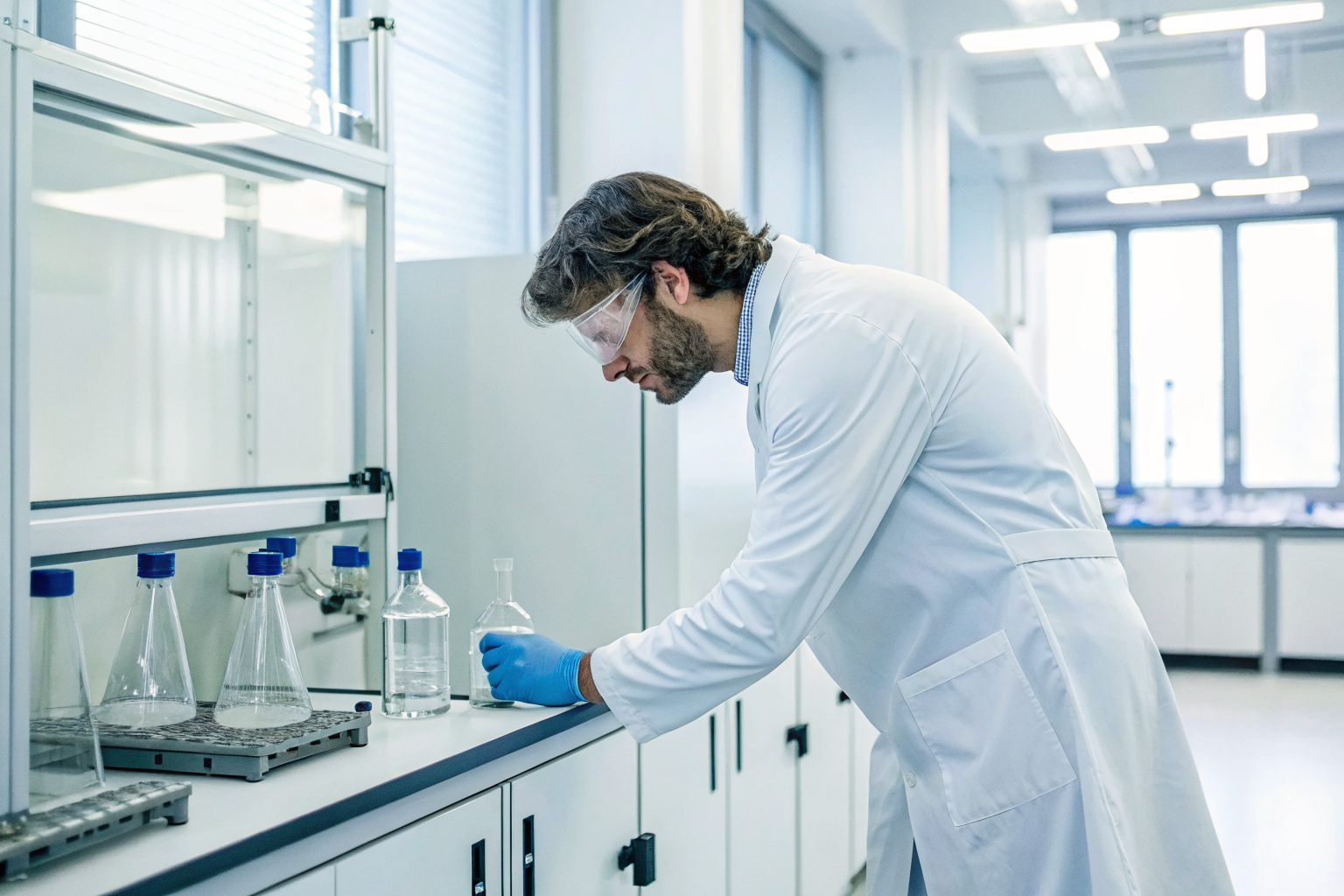
Laboratory testing measures hydrogen sulfide concentration levels accurately, while smell intensity provides unreliable estimates. Your nose detects hydrogen sulfide at concentrations as low as 0.5 ppm, but you cannot distinguish between 2 ppm and 20 ppm by smell alone.
Proper sampling requires special collection bottles that prevent gas loss during transport. Standard water test bottles allow hydrogen sulfide to escape, giving falsely low readings. Labs provide gas-tight vials with preservatives that stabilize hydrogen sulfide for accurate measurement.
Home test strips for hydrogen sulfide exist but lack precision for treatment planning. These strips indicate presence or absence but cannot measure specific concentrations needed to size treatment systems properly.
Timing affects test results because hydrogen sulfide concentrations fluctuate with temperature, bacterial activity, and water usage patterns. Collect samples during peak odor periods, typically after periods of low water use when water sits in the well casing.
Human noses detect hydrogen sulfide at 0.5 ppm, but concentrations up to 30 ppm occur in private wells. Laboratory analysis costs $35-50 as an add-on to standard well water testing and provides the concentration data needed for treatment system selection.
Which Treatment Works for Your Hydrogen Sulfide Level?
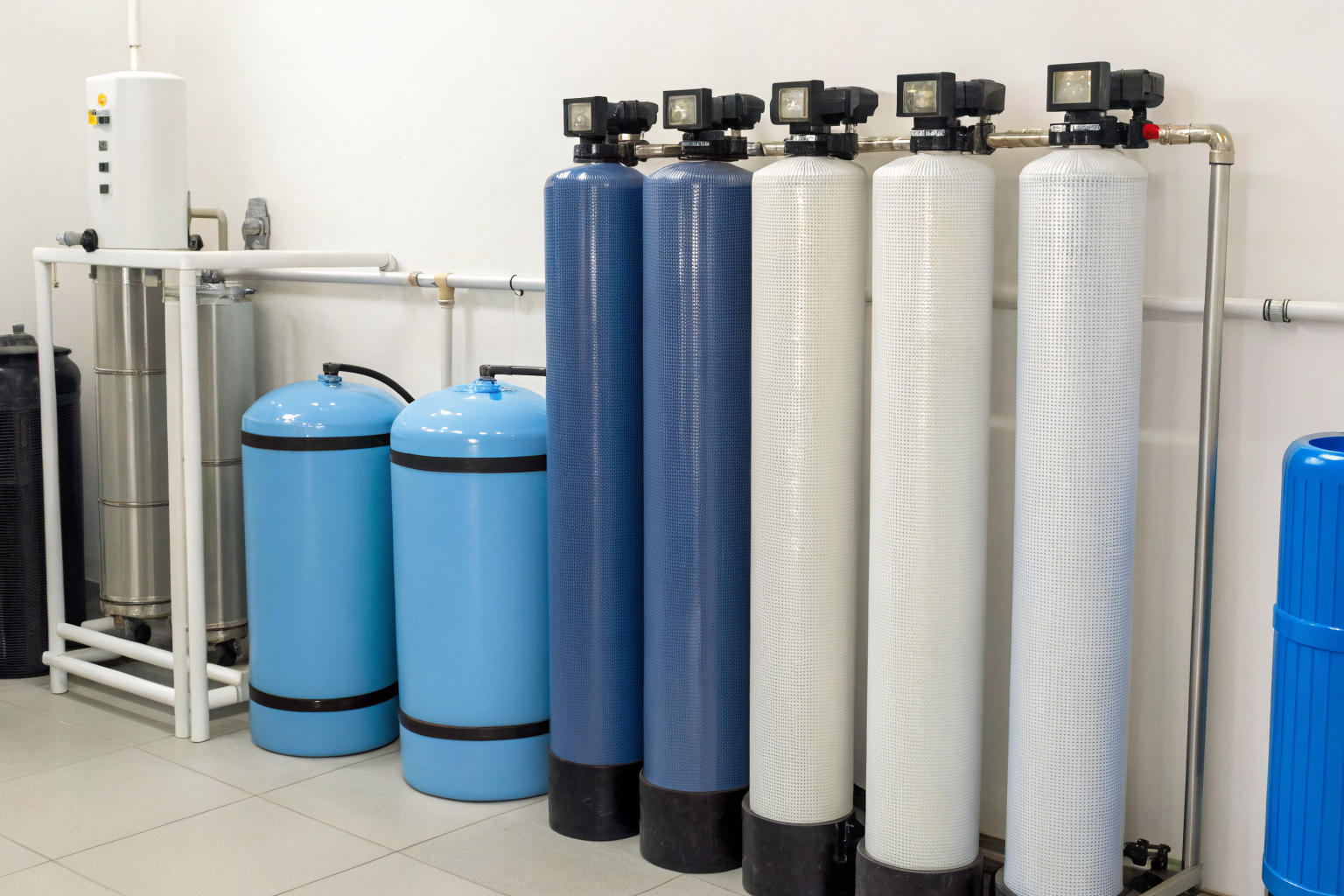
Treatment technology removes specific H2S concentration ranges through different mechanisms. Match your measured concentration to the appropriate technology:
| H2S Concentration | Treatment Technology | Cost Range | Effectiveness | Maintenance |
|---|---|---|---|---|
| 0.5-1 ppm | Aeration Systems | $800-1,500 | 95% removal | Annual inspection |
| 1-5 ppm | Oxidation Filtration | $1,800-3,200 | 98% removal | Monthly backwash |
| 5-10 ppm | Chemical Injection | $3,000-4,500 | 99% removal | Weekly monitoring |
| 10+ ppm | Combination Systems | $4,500-7,000 | 99% removal | Daily monitoring |
Aeration works for concentrations below 2 ppm by stripping dissolved gas from water through air contact. Higher concentrations overwhelm aeration capacity and require oxidation or chemical treatment.
Oxidation filters convert hydrogen sulfide into solid sulfur particles that get trapped in filter media. These systems handle moderate concentrations effectively but require regular backwashing to remove accumulated sulfur.
Chemical injection neutralizes high hydrogen sulfide concentrations through chlorine or hydrogen peroxide reactions. These systems require precise dosing and contact time for complete treatment.
Aeration removes up to 95% of hydrogen sulfide at concentrations below 2 ppm. This technology fails at higher concentrations because the air contact time becomes insufficient for complete gas stripping.
How Does Aeration Remove Low-Level Hydrogen Sulfide?
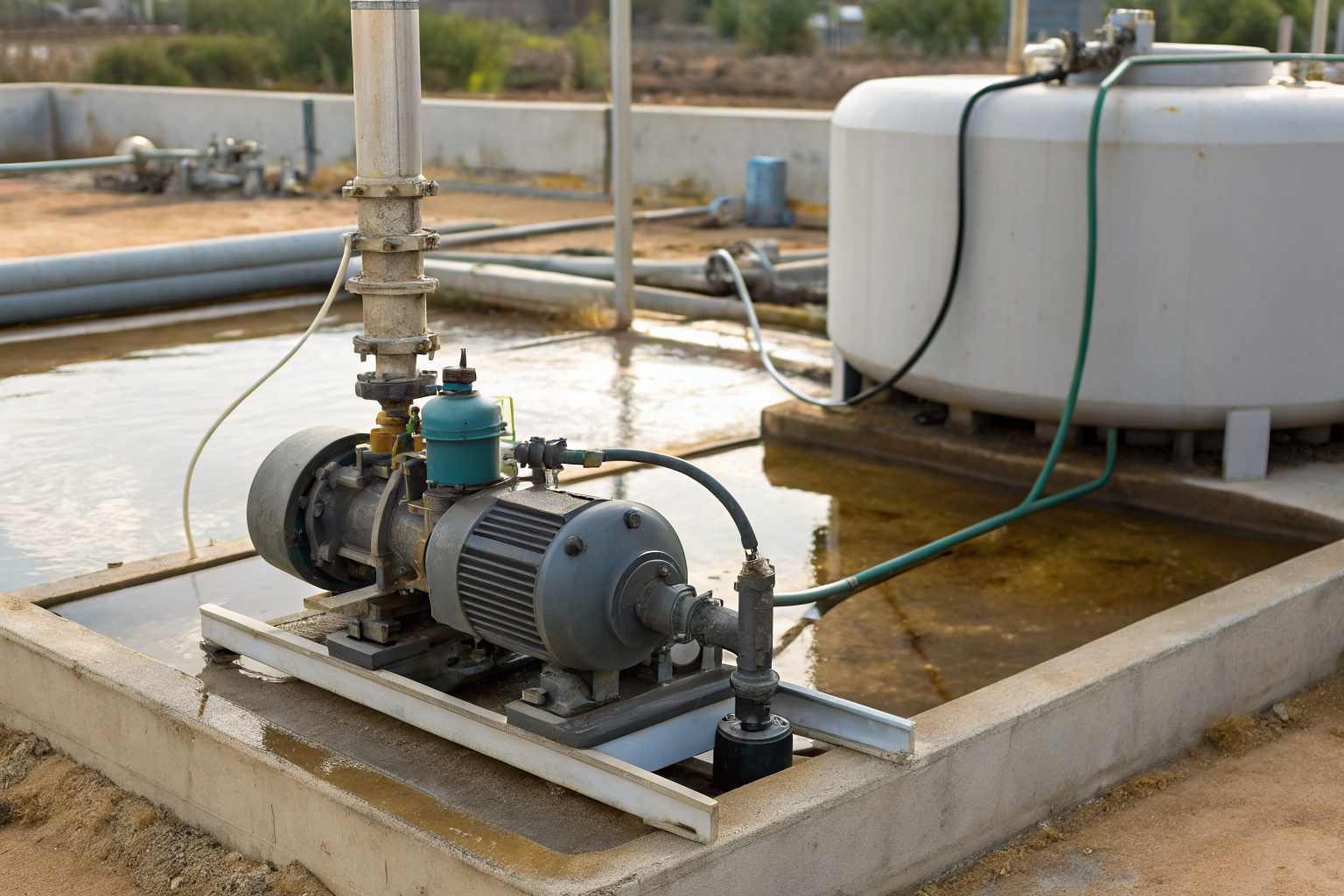
Air injection oxidizes dissolved hydrogen sulfide gas through forced contact between water and air. The process strips hydrogen sulfide from water similar to how carbonated beverages lose their fizz when shaken.
Aeration systems include an air injection pump, contact tank, and vent system. The pump introduces compressed air into the water stream, creating turbulence that brings hydrogen sulfide gas out of solution. A contact tank provides residence time for complete gas transfer, while venting removes the liberated gas safely outdoors.
Installation requires electrical power for the air pump and adequate space for the contact tank, typically 20-40 gallons depending on household water demand. The system installs between your well and pressure tank, treating all water before it enters your household plumbing.
Effectiveness limits restrict aeration to concentrations below 2 ppm. Higher levels require multiple-stage aeration or different treatment technologies. Iron content above 1 ppm interferes with aeration by consuming dissolved oxygen needed for hydrogen sulfide oxidation.
Maintenance involves annual inspection of the air pump, cleaning of air injection points, and verification of proper venting. Most systems operate 3-5 years between major component replacements.
Aeration systems cost $800-1,500 installed and require minimal maintenance beyond annual inspection. Operating costs include electricity for the air pump, typically $3-8 per month depending on water usage.
When Do You Need Oxidation Filtration for Hydrogen Sulfide?
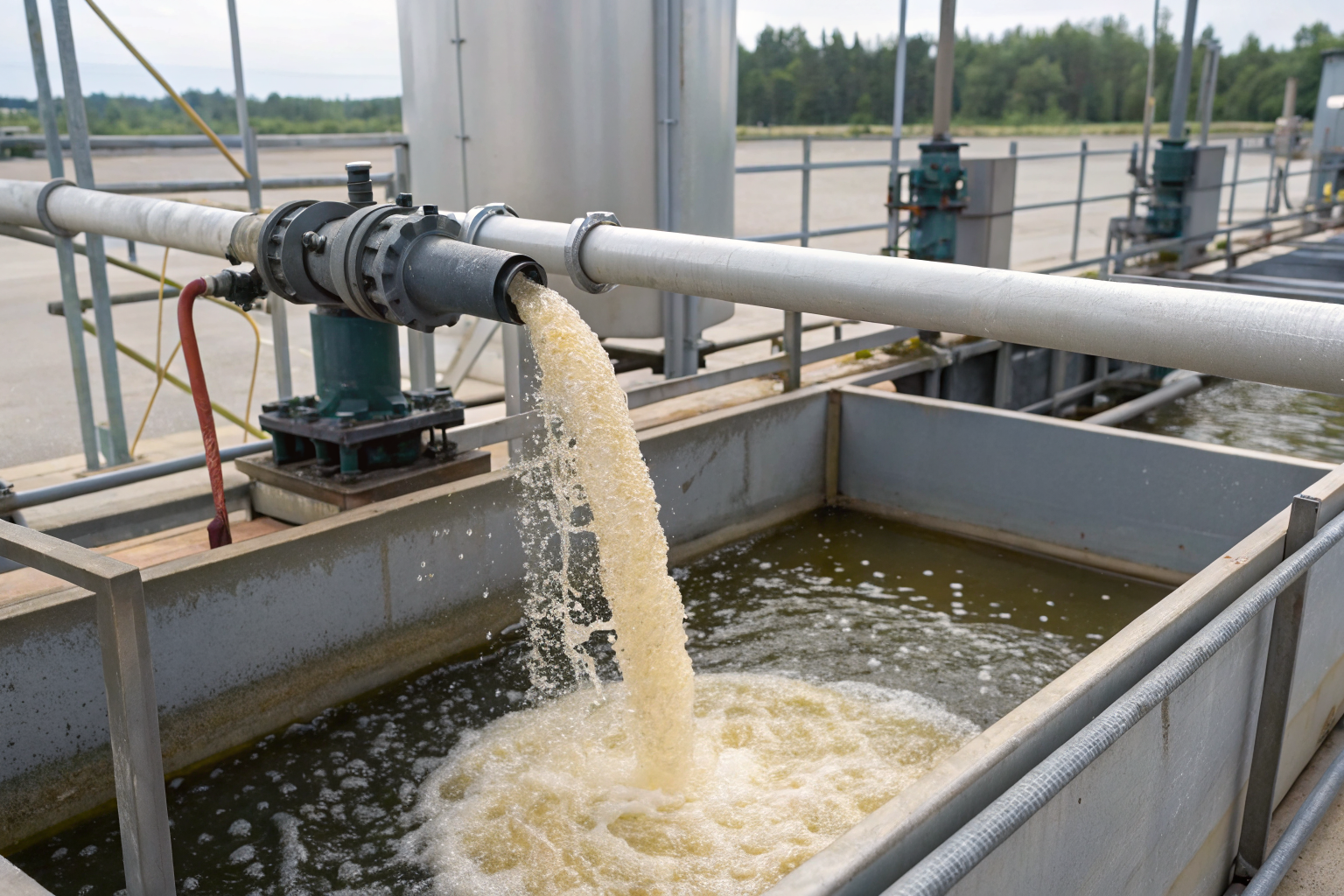
Oxidation filtration removes moderate hydrogen sulfide concentrations by converting dissolved gas into solid sulfur particles that filter media can trap. This process requires pH above 7.0 for optimal performance.
Filter media types include birm, greensand, and filox, each with different oxidation capabilities. Birm works for hydrogen sulfide up to 3 ppm when iron levels stay below 0.3 ppm. Greensand handles higher concentrations but requires potassium permanganate regeneration. Filox provides the highest capacity for both hydrogen sulfide and iron removal.
System sizing depends on household water demand and hydrogen sulfide concentration. A 4-person household typically requires a 10×54 inch filter vessel with 1.5 cubic feet of media for concentrations up to 5 ppm.
Backwashing frequency varies from daily to weekly depending on hydrogen sulfide levels and water usage. The system automatically reverses water flow to flush accumulated sulfur particles from the media bed. Higher concentrations require more frequent backwashing.
PH requirements restrict oxidation filtration effectiveness. Water below pH 6.5 requires acid neutralization before filtration. Most systems include pH correction as part of the treatment train.
Oxidation filters handle 1-5 ppm hydrogen sulfide and typically cost $1,800-3,200 installed. Media replacement occurs every 3-7 years depending on water chemistry and usage patterns.
Chemical Injection Systems for High Hydrogen Sulfide Levels
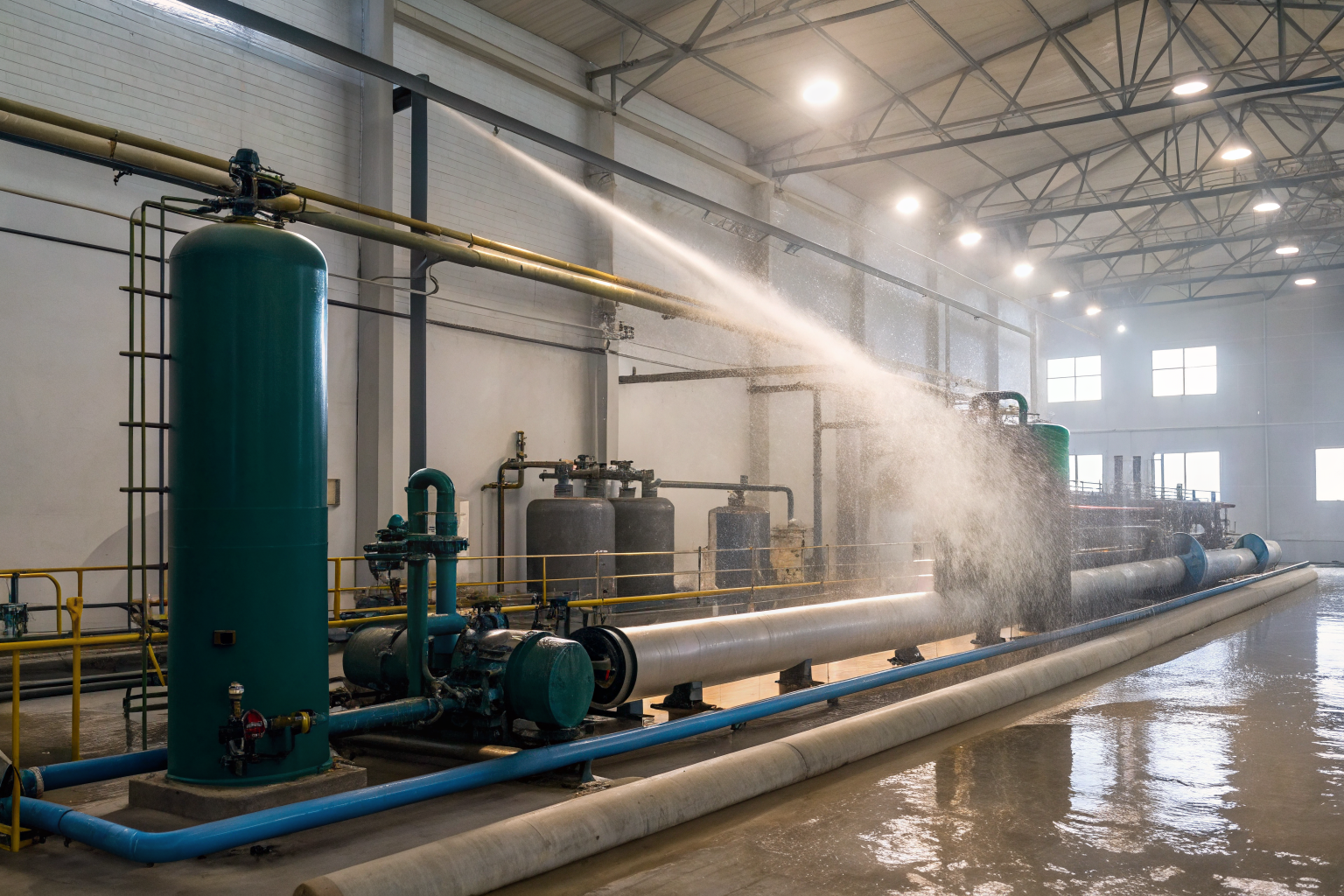
Chemical injection neutralizes high concentration hydrogen sulfide through chlorine or hydrogen peroxide reactions that convert the gas into harmless compounds. This method handles concentrations above 10 ppm that overwhelm other treatment technologies.
Chlorine injection uses sodium hypochlorite solution metered into the water stream before a contact tank. The chlorine oxidizes hydrogen sulfide into sulfate and sulfur compounds that subsequent filtration removes. Contact time of 10-20 minutes ensures complete reaction.
System components include a chemical feed pump, storage tank for chlorine solution, contact tank for reaction time, and activated carbon filter to remove residual chlorine. The feed pump automatically adjusts dosing based on water flow rates.
Dosing calculations require 2-4 ppm of chlorine for each 1 ppm of hydrogen sulfide, plus additional chlorine for iron and organic matter oxidation. Professional testing determines exact dosing requirements for your water chemistry.
Safety considerations include proper ventilation for chlorine storage, leak detection systems, and lockout procedures for maintenance. Chemical handling requires basic safety equipment and procedures similar to pool chemical management.
Chemical injection systems cost $3,000-4,500 installed and can handle hydrogen sulfide levels above 10 ppm. Operating costs include chemical purchases of $15-30 monthly and periodic replacement of activated carbon filters.
Frequently Asked Questions
Can a water softener remove the rotten egg smell from well water?
Water softeners cannot remove hydrogen sulfide gas that causes rotten egg smell. Softeners only remove dissolved minerals like calcium and magnesium through ion exchange, while hydrogen sulfide requires oxidation or aeration treatment.
Is hydrogen sulfide in well water dangerous to drink?
Hydrogen sulfide at typical well water concentrations is not a health risk, though it makes water unpalatable. EPA classifies it as a secondary contaminant with aesthetic standards rather than health-based maximum contaminant levels.
Why does my well water smell worse in summer?
Hydrogen sulfide production increases in warmer temperatures as sulfur-reducing bacteria become more active. Seasonal water table changes can also concentrate existing hydrogen sulfide or introduce it from different geological layers.