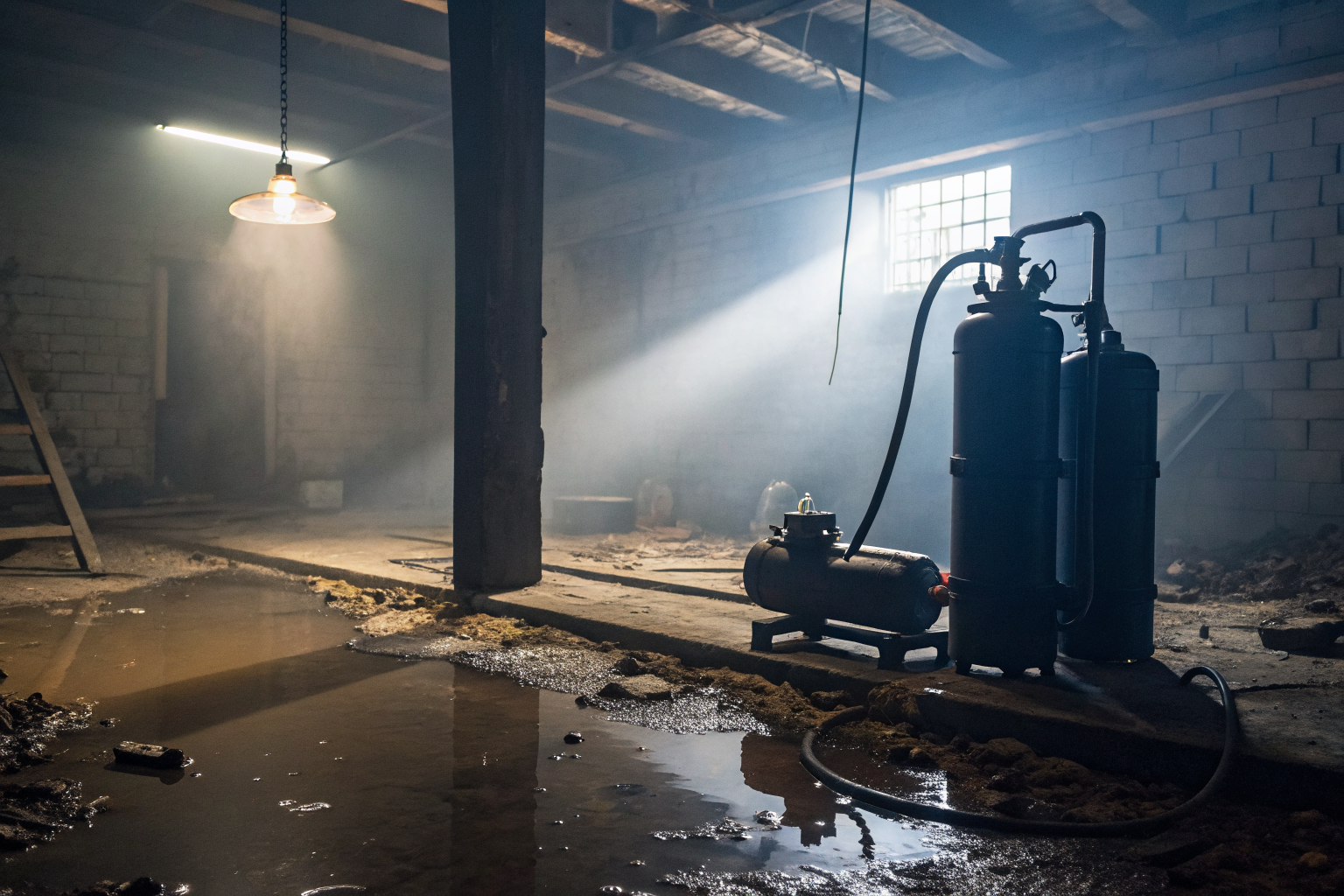
Well pump failure signs appear weeks before total breakdown, your pump moves 400+ gallons per day underground until the day it doesn’t, leaving you facing emergency repair bills starting at $1,500.
Key Takeaways:
- Short cycling (pump turning on every 30 seconds) signals pressure tank failure or pump wear, costs $300-800 to fix the tank, $1,500-4,000 to replace the pump
- Submersible pumps last 8-13 years while jet pumps last 15-20 years, depth and water quality determine which fails first
- Air spurting from faucets indicates suction line problems that cost $400-1,200 to repair before they destroy your pump
What Are the Early Warning Signs Your Well Pump Is About to Fail?
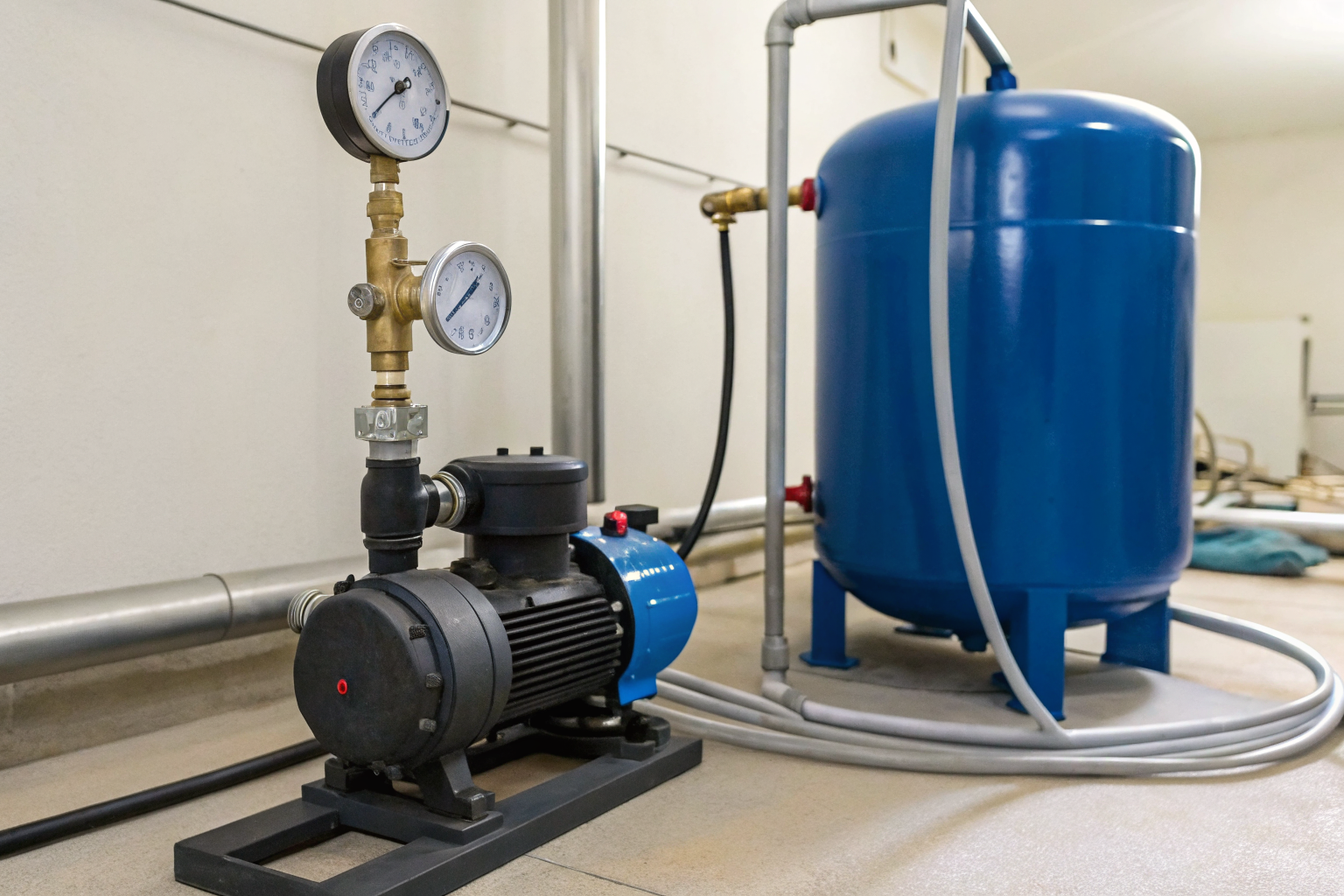
Your well pump system broadcasts distress signals before it dies completely. Catching these early prevents emergency calls and water damage.
Short cycling every 30-60 seconds, Normal pumps cycle every 2-5 minutes when you use water. Constant cycling means the pressure tank bladder failed or the pump can’t maintain pressure.
Gradual pressure loss at fixtures, Your shower starts weak, then gets worse over weeks. The pump struggles to move water from depth or the pressure tank loses its air charge.
Air spurts from faucets and fixtures, Air mixed with water indicates the suction line cracked or the drop pipe connection loosened, letting air into the system.
Electrical issues like frequent breaker trips, Failing pump motors draw excess current trying to start. The control box may spark or smell burned.
Unusual sounds from the pump or pressure tank, Grinding, squealing, or constant humming from the wellhead or pressure tank housing signals bearing failure or seized components.
Water quality changes without explanation, Sudden sediment, metallic taste, or discoloration can mean the pump housing cracked or internal components corroded.
Short cycling every 30-60 seconds instead of normal 2-5 minute cycles is the clearest early warning. This pattern appears 2-6 weeks before total failure in most cases.
Why Is Your Pump Short Cycling and What Does It Cost to Fix?
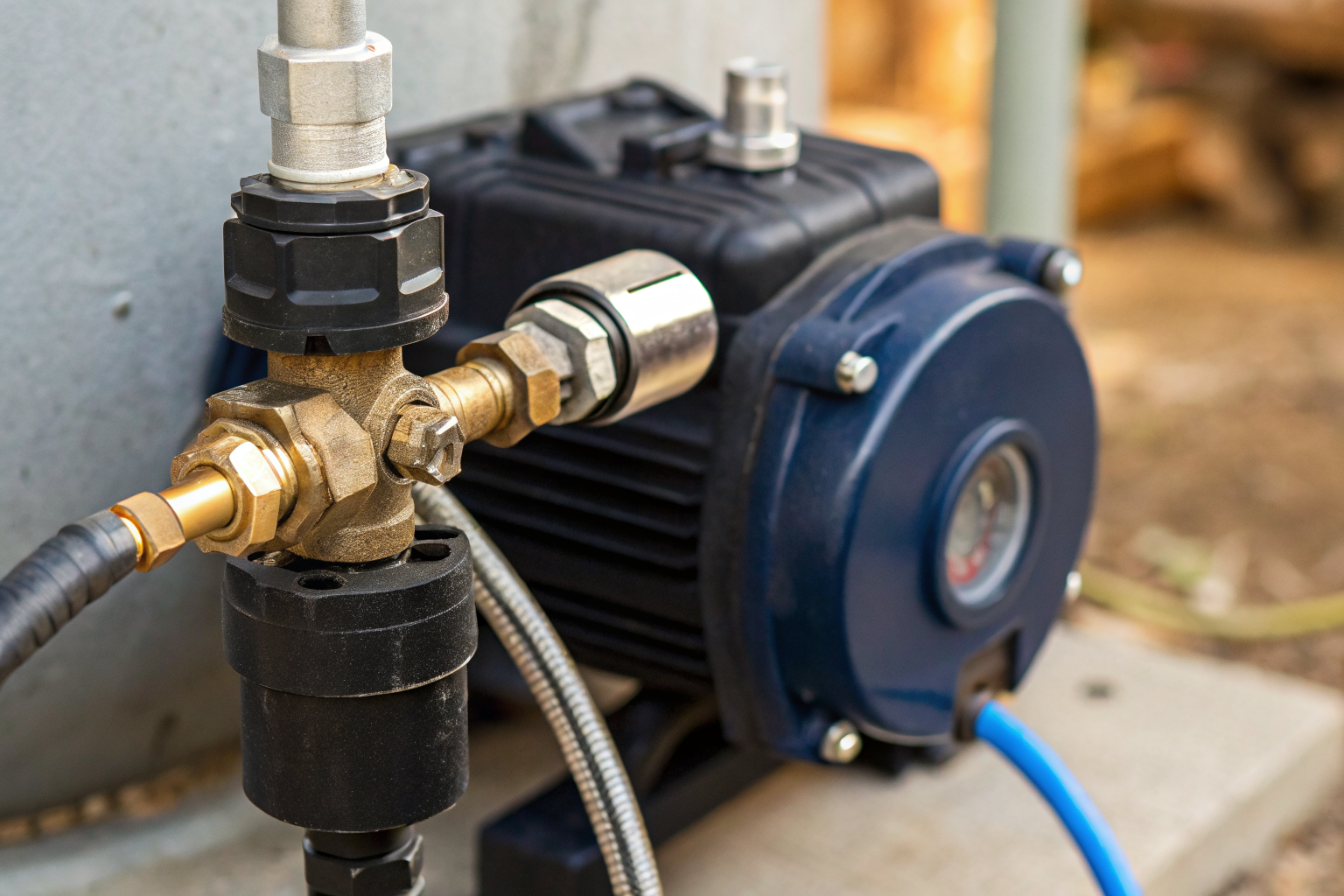
Short cycling is when your pump turns on and off rapidly instead of running normally. This means the system can’t maintain pressure between the cut-in and cut-out settings on your pressure switch.
Pressure tank bladder failure causes 80% of short cycling cases. The rubber bladder inside your pressure tank separates air from water. When it ruptures, water fills the entire tank and eliminates the air cushion that regulates pressure. Your pump runs constantly trying to maintain pressure with no air buffer.
Pressure tank replacement costs $300-800 depending on tank size and installation complexity. A 44-gallon tank costs $200-300, plus $100-500 for labor. Tanks in crawl spaces or tight locations cost more to replace.
Pump wear causes the remaining 20% of short cycling. Internal components wear out and the pump can’t generate full pressure. Repair attempts usually fail because multiple parts need replacement. Pump replacement costs $1,500-4,000 depending on depth and type.
Diagnosing the difference matters financially. Check your pressure tank first, it’s a fraction of pump replacement cost. If the tank holds air pressure when you drain the system, your pump needs replacement.
Water well contractors charge $150-250 for pressure system diagnosis. This investment prevents replacing the wrong component.
What Causes Air in Your Water Lines and How Much Does It Cost to Fix?
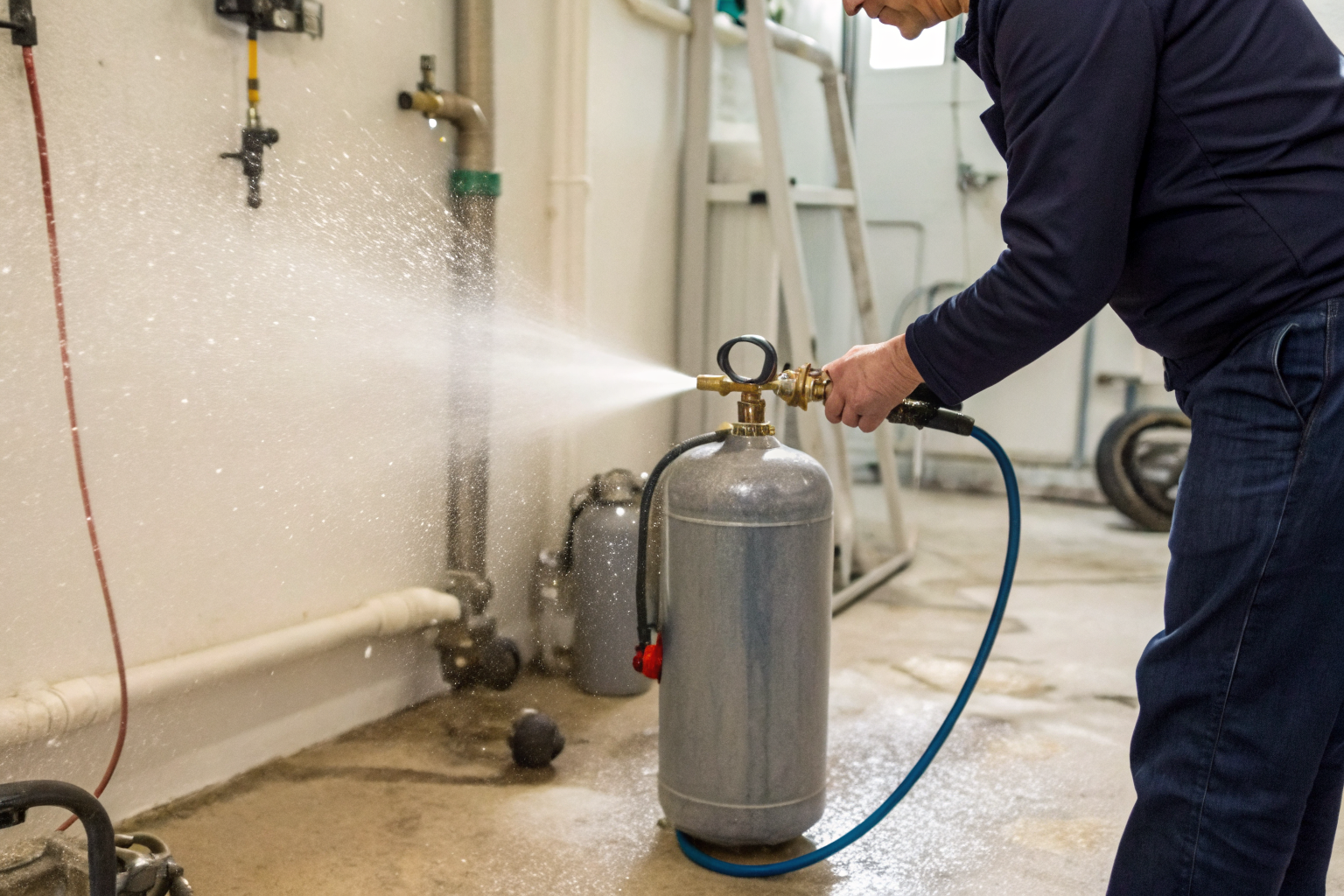
Air spurts from faucets signal suction problems that destroy pumps if ignored. The repair complexity depends on where air enters the system.
Check the pressure tank first, Drain the system and test tank pressure with a tire gauge. Tanks should hold 2 PSI below your pressure switch cut-in setting. Failed tanks let air into the distribution lines.
Inspect visible suction line connections, Look for loose fittings at the wellhead, pressure tank, and control valve. Tighten connections with pipe wrenches, but don’t overtighten and crack fittings.
Test the foot valve at pipe bottom, Drop pipe leaks let air bubble up through the system. This requires pulling the pump and pipe, a job for professionals with lifting equipment.
Examine the drop pipe for cracks, Plastic pipe cracks from age and temperature changes. Steel pipe corrodes through. Both problems require pump removal and pipe replacement.
Suction line repairs cost $400-1,200 depending on well depth and access. Shallow well repairs average $400-600. Deep well repairs requiring pump removal cost $800-1,200 due to equipment and labor requirements.
Ignoring air problems destroys pumps. Air causes cavitation that burns out impellers and motors within months. Fix air entry points immediately to protect your pump investment.
How Long Should Your Well Pump Last Before Replacement?
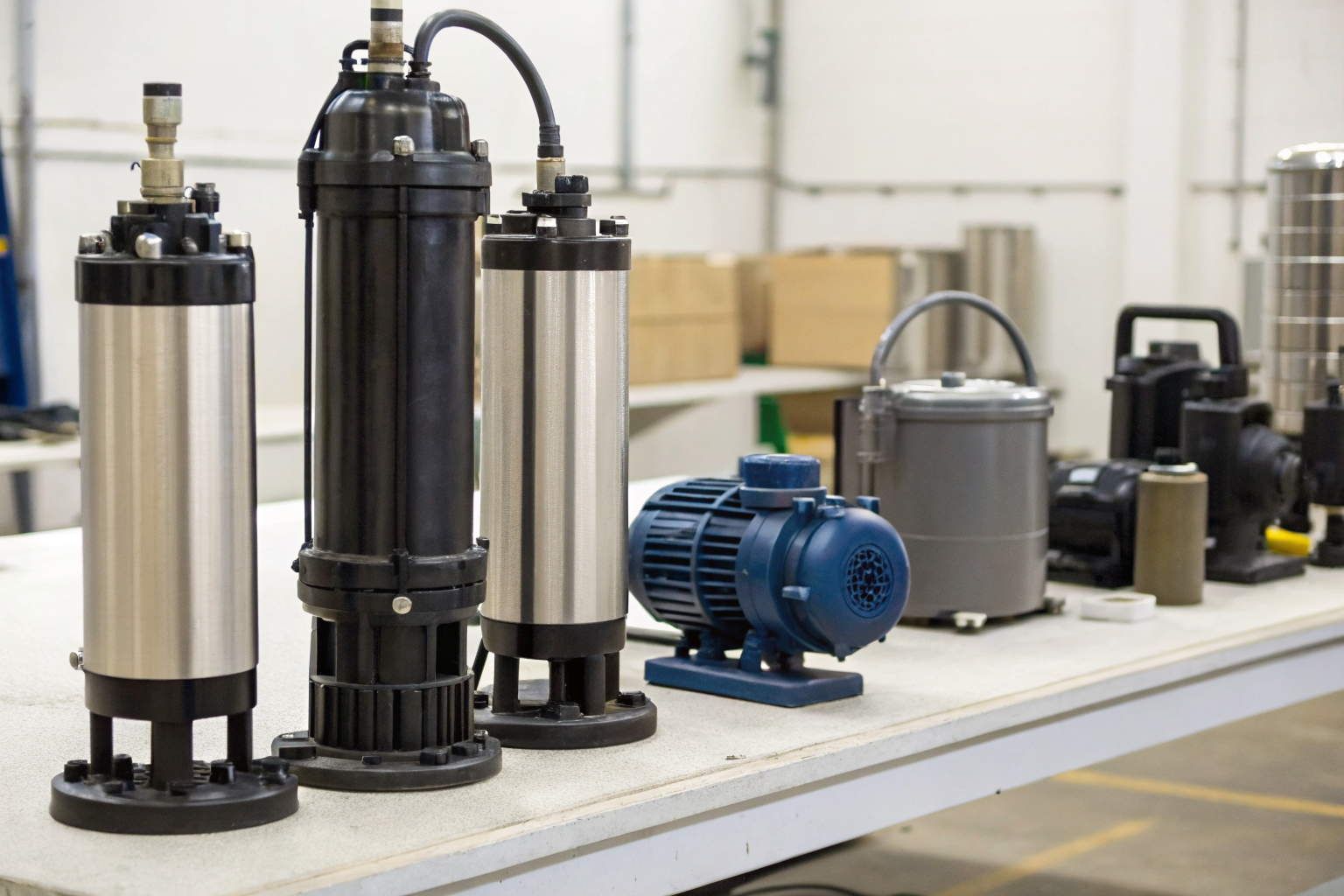
Pump lifespan depends on type, installation depth, and water quality conditions. Here’s what to expect:
| Pump Type | Average Lifespan | Factors That Shorten Life |
|---|---|---|
| Submersible (deep well) | 8-13 years | Sandy water, frequent cycling, poor installation |
| Jet pump (shallow well) | 15-20 years | Dry running, mineral buildup, lack of maintenance |
| Constant pressure system | 10-15 years | High demand, electrical problems, oversized motor |
| Turbine pump (large wells) | 12-18 years | Corrosive water, sand infiltration, bearing wear |
Submersible pumps fail sooner because they work underwater in challenging conditions. Heat, pressure, and water exposure stress electrical components. Sand and minerals accelerate wear on impellers and motor bearings.
Jet pumps last longer because the motor stays above ground in controlled conditions. Only the ejector assembly works underwater. Motors run cooler and electrical connections stay dry.
Water quality cuts pump life significantly. Wells with sand, high iron, or corrosive water kill pumps 30-50% faster than clean water wells. Test your water annually to track changes that affect equipment.
Replace pumps approaching their expected lifespan rather than attempting major repairs. Labor costs for pump service often exceed 60% of replacement cost.
Well Pump Replacement Cost by Type and Depth
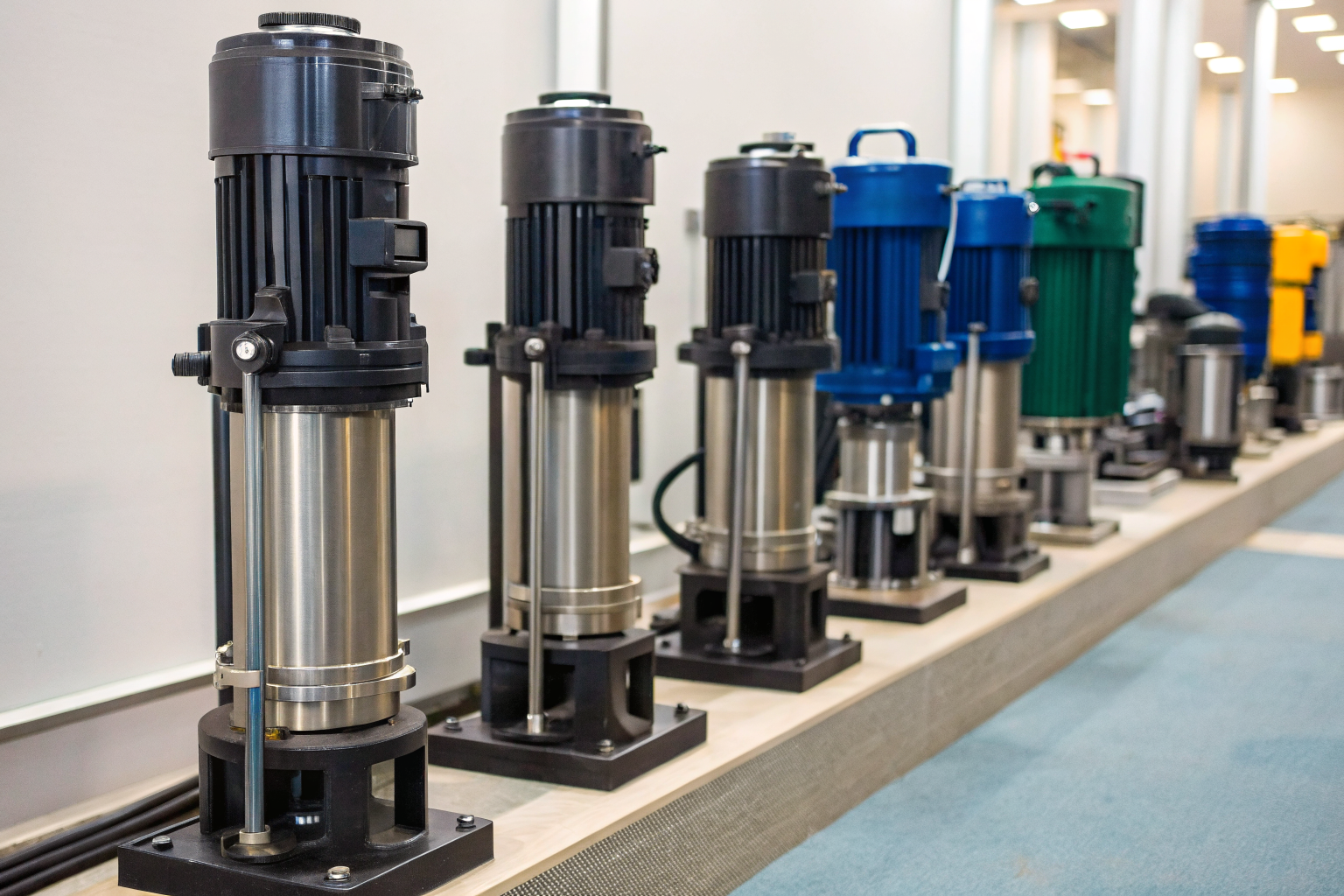
Pump replacement costs vary significantly based on pump type, well depth, and installation complexity:
| Pump Type | Equipment Cost | Labor Cost | Total Installed Cost |
| — | — | — |
| Shallow jet pump (25ft or less) | $300-600 | $400-800 | $800-1,500 |
| Deep jet pump (25-120ft) | $500-900 | $600-1,200 | $1,200-2,100 |
| Submersible 4″ (up to 200ft) | $800-1,500 | $800-1,500 | $1,800-3,000 |
| Submersible 4″ (200-400ft) | $1,200-2,000 | $1,200-2,000 | $2,500-4,000 |
| Constant pressure system | $1,500-2,500 | $800-1,200 | $2,500-3,800 |
Deep well pumps cost more because contractors need specialized equipment to lift pipe and pump assemblies. Wells over 200 feet require truck-mounted rigs and multi-person crews.
Labor represents 40-60% of total replacement cost. Experienced contractors charge $75-125 per hour and typical installations take 6-12 hours depending on depth and complications.
DIY installation isn’t realistic for most homeowners. Submersible pump installation requires pipe handling equipment, electrical knowledge, and well safety protocols. Permit requirements in most areas mandate licensed contractor installation.
Get quotes from 3 contractors before proceeding. Prices vary significantly based on local labor rates and contractor overhead. Include pressure tank replacement if yours is over 10 years old.
How Do You Diagnose Pressure Problems Before Your Pump Dies?
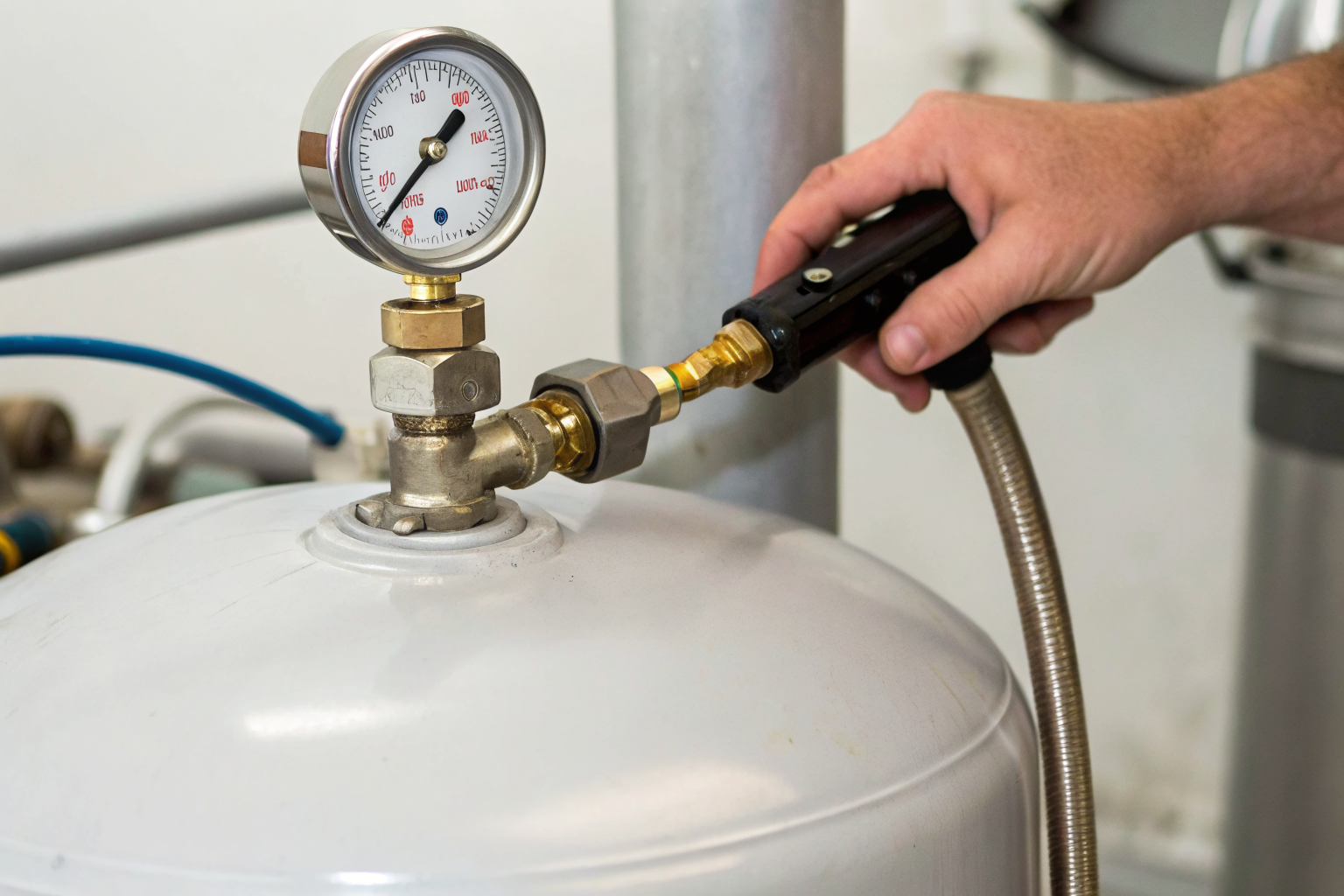
Diagnosing pressure system problems early prevents emergency pump replacement and identifies repair options:
Install a pressure gauge on your pressure tank, Mount a 0-100 PSI gauge on the tank fitting. Normal systems operate between 20-40 PSI or 30-50 PSI depending on your switch setting.
Test tank air pressure with system off, Shut off power to the pump and drain all water from the tank. Check air pressure with a tire gauge on the tank’s air valve. Pressure should read 2 PSI below your switch cut-in setting.
Monitor pump cycle frequency during normal use, Time how long your pump runs and how long it stays off between cycles. Normal cycles last 1-3 minutes with 2-10 minutes between cycles depending on usage.
Check pressure switch contacts for burning or corrosion, Remove the switch cover and inspect electrical contacts. Burned or pitted contacts cause erratic pressure control and pump cycling problems.
Measure pump amperage draw during operation, Use a clamp-on ammeter to check motor current draw. Compare readings to the pump nameplate. High amperage indicates motor problems or system restrictions.
Test static water level in your well, Measure water depth before and after pumping to determine if your well recovery rate matches pump capacity. Declining water levels stress pumps and reduce lifespan.
Pressure gauge readings reveal system health status immediately. Gauges cost $15-30 and prevent thousands in emergency repair costs by catching problems early.
Frequently Asked Questions
How much does it cost to replace a well pump?
Well pump replacement costs $1,500-4,000 depending on pump type and well depth. Shallow well jet pumps cost $800-1,500 installed while deep submersible pumps run $2,500-4,000. Labor represents 40-60% of total cost due to specialized equipment and expertise requirements.
Can I tell if my well pump is going bad before it completely fails?
Yes, failing well pumps show clear warning signs including short cycling every 30-60 seconds, air spurts from faucets, and gradual pressure loss. Catching these symptoms early prevents emergency replacement and potential water damage. Most pumps broadcast problems 2-6 weeks before total failure.
Should I repair or replace a 10-year-old well pump?
Replace submersible pumps over 10 years old since they average 8-13 years total lifespan. Jet pumps can be worth repairing until 15+ years since they last 15-20 years. Repair costs over $800 usually favor replacement considering labor expenses and remaining equipment life.