
This well water maintenance checklist prevents the $15,000+ system replacement that hits 67% of private well owners who skip routine maintenance. Your well system keeps 43 million Americans hydrated, but most owners treat it like a black box until catastrophic failure strikes.
Key Takeaways:
- Spring testing in March-April catches 73% of contamination issues before they worsen
- Monthly pressure tank gauge checks prevent 85% of pump failures that cost $3,500+ to repair
- Annual wellhead cap inspection prevents contamination that requires $800+ shock chlorination treatments
Your Complete Monthly Well Maintenance Calendar

Monthly maintenance tasks prevent system failures before they cascade into expensive emergencies. The timing matters because seasonal changes stress different system components.
| Month | Pressure Tank Check | Wellhead Inspection | Treatment System Task |
|---|---|---|---|
| January-February | Gauge reading, tank tapping | Visual cap integrity | Salt level check (softener) |
| March-April | Pre-pump cycling check | Post-freeze damage assessment | Spring filter change |
| May-August | Weekly gauge monitoring | Landscaping clearance | UV bulb inspection |
| September-October | Fall pressure verification | Winterization prep | Pre-winter filter change |
| November-December | Cold weather monitoring | Snow load assessment | System bypass test |
Spring tasks prevent 73% of annual well problems because winter freeze-thaw cycles damage wellhead seals and stress pressure tanks. March through May is when contamination from surface runoff peaks, making this your critical maintenance window.
Skipping monthly pressure tank checks costs you. A failing tank cycles your pump every few minutes instead of every few hours. This cycling burns out pump motors in 6-12 months instead of their normal 15-20 year lifespan.
Summer requires weekly attention because high-demand periods stress pumps. Your system works hardest when gardens need water and families take more showers. Monitor pressure readings weekly during peak use months.
What Should You Check Every Month vs Annually?
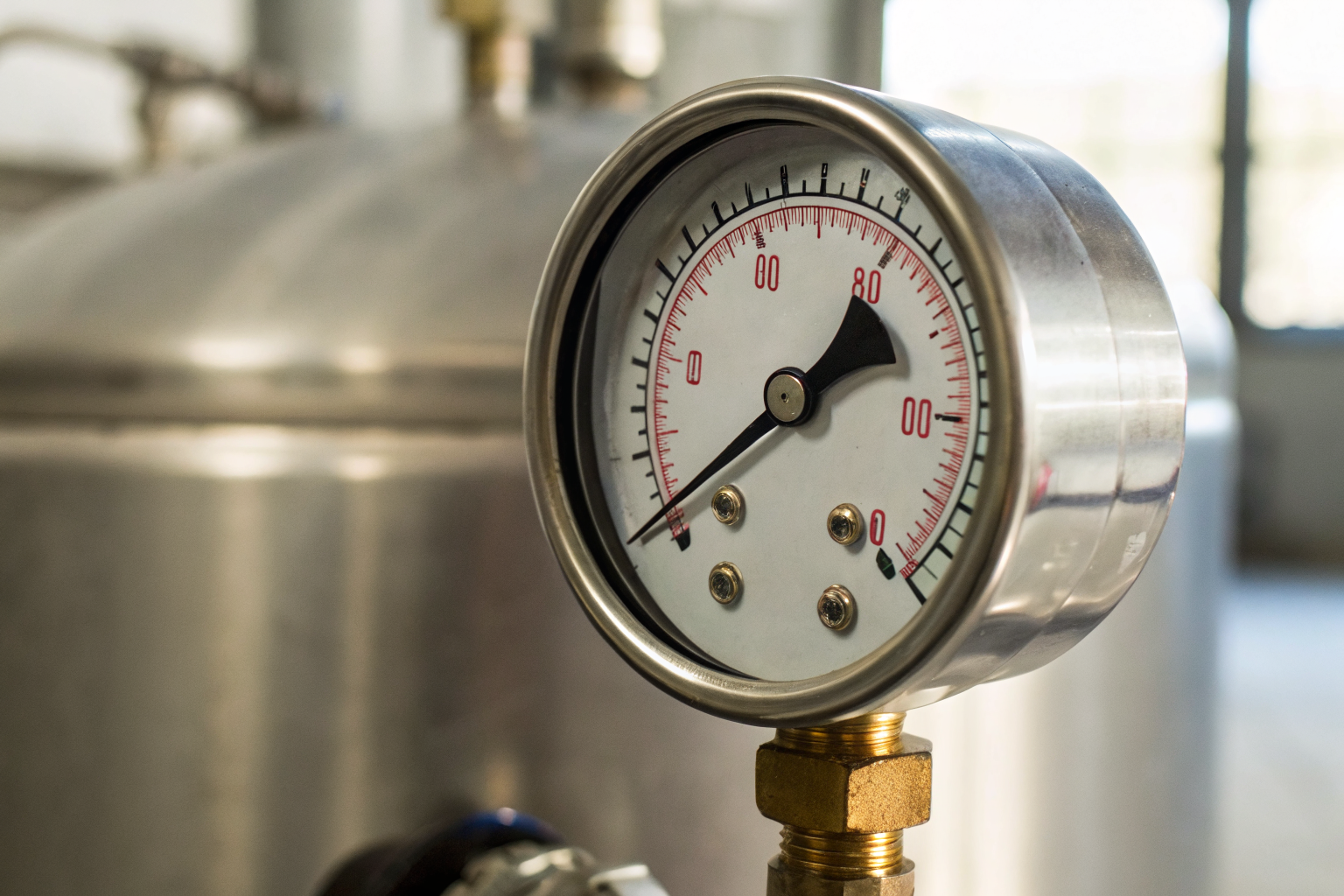
Inspection frequency determines problem detection timing. Monthly checks catch developing issues. Annual inspections verify system integrity.
Monthly DIY Tasks:
- Pressure tank gauge reading, Note the cut-in pressure (usually 20-40 psi) and cut-out pressure (usually 40-60 psi). Readings outside this range indicate tank bladder failure or pressure switch problems.
- Wellhead visual inspection, Look for damaged caps, loose bolts, standing water, or animal damage. A compromised wellhead lets surface contamination enter your water supply.
- Treatment system indicator checks, Monitor salt levels in softeners, note filter change indicators, check UV system alarm lights. These systems fail silently without visual monitoring.
- Water quality changes, Track taste, odor, or color changes that indicate treatment system failure or new contamination. Document changes with photos or notes.
Monthly pressure gauge checks cost you nothing but prevent $3,500+ pump replacement. Professional annual inspection costs $150-300 but catches electrical problems, pump wear, and contamination risks you cannot detect yourself.
Annual Professional Tasks:
Electrical system testing, pump performance evaluation, well integrity assessment, and comprehensive water testing require certified technicians because DIY mistakes contaminate water supplies.
Spring Well Testing and Inspection Protocol
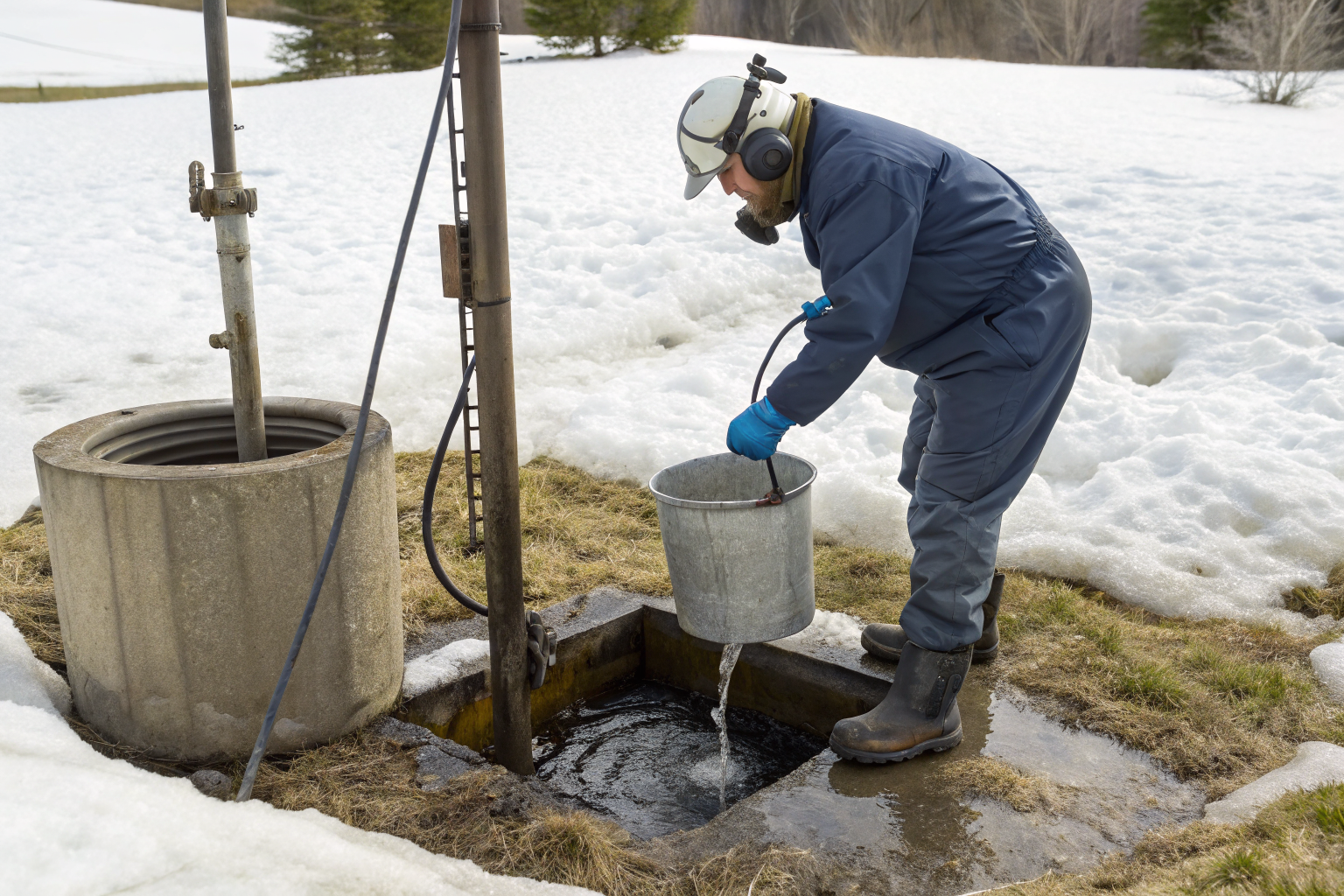
Spring testing protocol detects seasonal contamination patterns that winter weather creates. Post-winter testing detects contamination 3x more often than summer testing because snowmelt carries surface pollutants into groundwater.
Step-by-Step Spring Protocol:
- Schedule testing for March-April, This timing catches contamination from winter runoff before it disperses or becomes chronic. Early detection means simpler treatment.
- Inspect wellhead after final freeze, Check for frost heave damage, cracked casings, or shifted caps that winter weather causes. Document damage with photos for repair estimates.
- Test for seasonal contaminants, Include bacteria, nitrates, and any agricultural chemicals used in your area. Spring runoff concentrates these contaminants in groundwater.
- Flush system before sampling, Run cold water for 5-10 minutes to clear stagnant water from pipes. Stagnant water gives false readings that underestimate contamination.
- Document baseline readings, Record pressure tank readings, flow rates, and treatment system performance metrics. These baselines help you spot developing problems throughout the year.
- Schedule shock chlorination if needed, Bacterial contamination requires immediate treatment. Spring is the ideal time for shock chlorination because you have warm weather for proper contact time.
Why spring matters: Winter freeze-thaw cycles crack wellhead seals and shift casing joints. Agricultural areas see nitrate spikes from fertilizer runoff. Bacterial contamination peaks when surface water reaches groundwater through compromised well integrity.
Ignoring spring testing means contamination becomes established in your system, requiring more expensive treatment and potential health risks.
How Do You Maintain Different Treatment System Types?
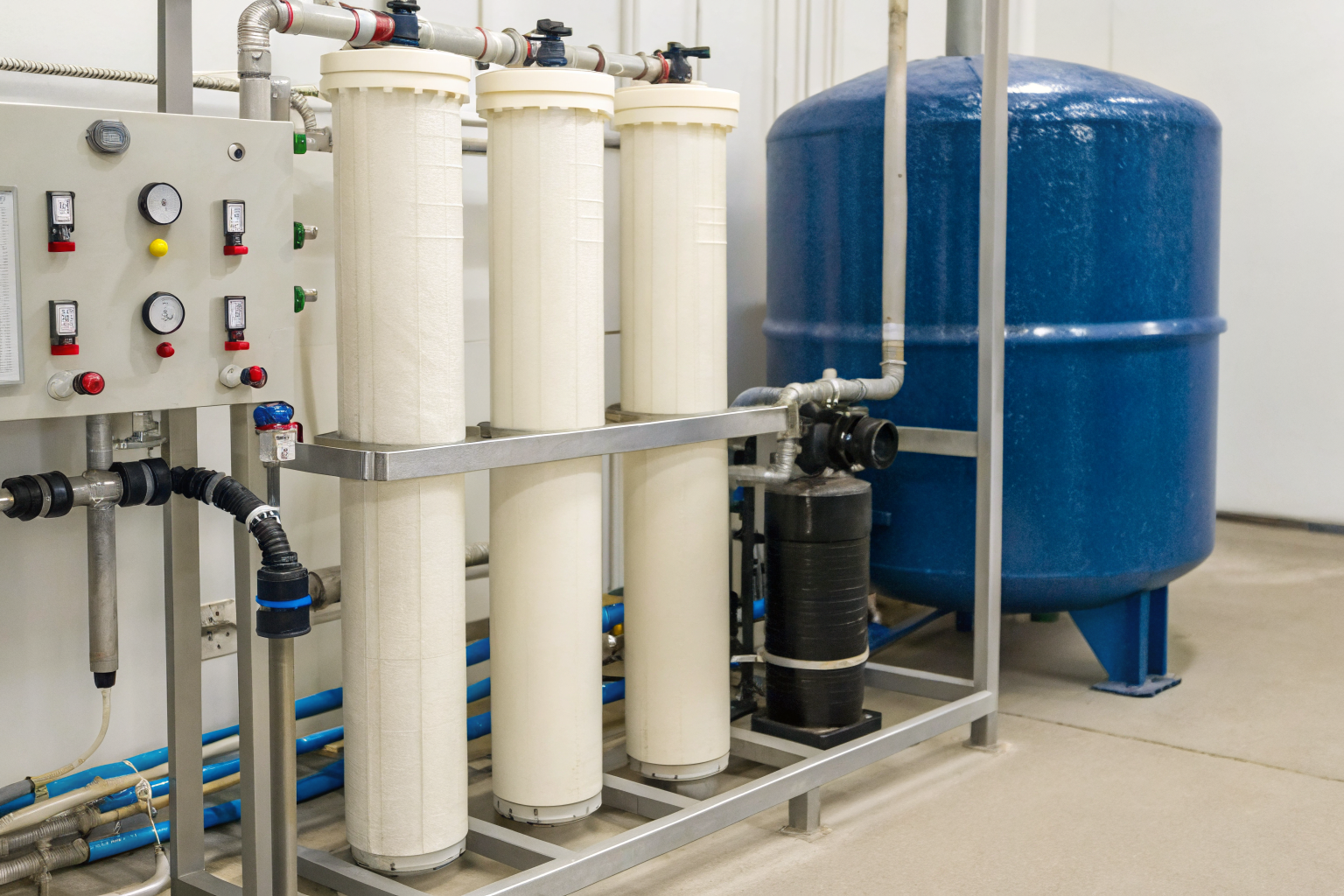
Treatment system type requires specific maintenance schedule. Each technology breaks down differently and has different failure modes.
| System Type | Maintenance Frequency | Critical Component | Replacement Cost |
|---|---|---|---|
| Water Softener | Monthly salt, annual resin bed | Resin tank | $800-1,500 |
| Iron Filter | 6-month media backwash, annual media | Filter media | $200-600 |
| UV System | Annual bulb, 6-month sleeve cleaning | UV bulb | $150-300 |
| Reverse Osmosis | 6-month pre-filters, 2-year membrane | RO membrane | $200-500 |
| Whole House Carbon | 6-12 month filter change | Carbon cartridge | $100-300 |
Treatment system sizing affects maintenance frequency. Oversized systems last longer between services but cost more upfront. Undersized systems require frequent maintenance but fail completely when overwhelmed.
Water softeners need monthly salt monitoring because empty salt tanks let hard water pass through untreated. Hard water damages fixtures, clogs pipes, and reduces soap effectiveness. Track salt usage patterns to predict when tanks empty.
Iron filters require media backwashing every 6 months because iron buildup reduces flow and treatment effectiveness. Neglected iron filters channel water around clogged media, sending iron directly to fixtures.
UV bulb replacement every 12 months prevents 99.9% disinfection failure. UV bulbs lose effectiveness gradually, so yearly replacement maintains protection against bacteria and viruses. Bulb failure means contaminated water reaches your taps.
Reverse osmosis systems need staged filter replacement because different stages filter different contaminants. Pre-filters protect expensive RO membranes from sediment and chlorine damage. Skip pre-filter changes and RO membranes fail prematurely.
Treatment system maintenance costs 10-15% of replacement cost annually. Skip maintenance and systems fail completely, requiring full replacement instead of component service.
When Should You Call a Professional vs Handle It Yourself?

Maintenance complexity determines DIY vs professional requirement. Some tasks risk contamination or equipment damage when done incorrectly.
| Task Category | DIY Safe | Professional Required | Risk Level | Cost Range |
|---|---|---|---|---|
| Visual Inspection | Monthly wellhead check, gauge reading | Electrical system testing | Low | $0 DIY / $150 Pro |
| Filter Changes | Cartridge replacement, salt addition | Pump removal, wiring work | Medium | $50 DIY / $200 Pro |
| System Repairs | None | Pump replacement, well rehabilitation | High | N/A / $2,000-6,000 |
| Water Testing | Sample collection | Lab interpretation, treatment design | Low | $100 DIY / $300 Pro |
DIY boundaries are clear: visual inspection, basic maintenance, and routine component replacement. You can check pressure gauges, change filters, add salt to softeners, and collect water samples without risk.
Professional requirements include electrical work, pump service, and well rehabilitation. These tasks require specialized tools, licensing, and experience. Mistakes contaminate water supplies or damage expensive equipment.
Professional annual inspection costs $150-300 but prevents $2,000+ emergency repairs. Technicians test electrical systems, measure pump performance, and identify developing problems before they cause failures.
Emergency situations always require professionals: no water flow, electrical problems, contamination requiring shock chlorination, or pressure tank failure. DIY attempts often worsen these problems and increase repair costs.
Cost comparison shows prevention wins: monthly DIY maintenance costs nothing but time. Emergency repairs cost $2,000-6,000 and leave you without water during repairs. Professional annual service costs $200-400 but catches problems early when fixes cost hundreds instead of thousands.
Frequently Asked Questions
How often should I actually maintain my private well?
Monthly pressure tank gauge checks and visual wellhead inspection, plus annual testing and professional system inspection. Spring testing after snowmelt is critical because seasonal contamination peaks in March-April when winter runoff reaches groundwater through compromised well integrity.
What happens if I skip my annual well maintenance?
Pressure tank failure destroys your well pump through rapid cycling, costing $3,500+ to replace. Contaminated wells require expensive shock chlorination treatments starting at $800. Treatment systems lose effectiveness without filter changes, letting contaminants reach your taps. Most catastrophic well failures happen to systems that skipped routine maintenance.
Can I do well maintenance myself or do I need a professional?
You can handle monthly visual checks, pressure gauge monitoring, and basic treatment system maintenance like filter changes and salt addition. Annual testing, pump inspection, and electrical system checks require certified professionals because DIY mistakes contaminate water supplies or damage expensive equipment. The risk-reward calculation favors professional service for complex tasks.