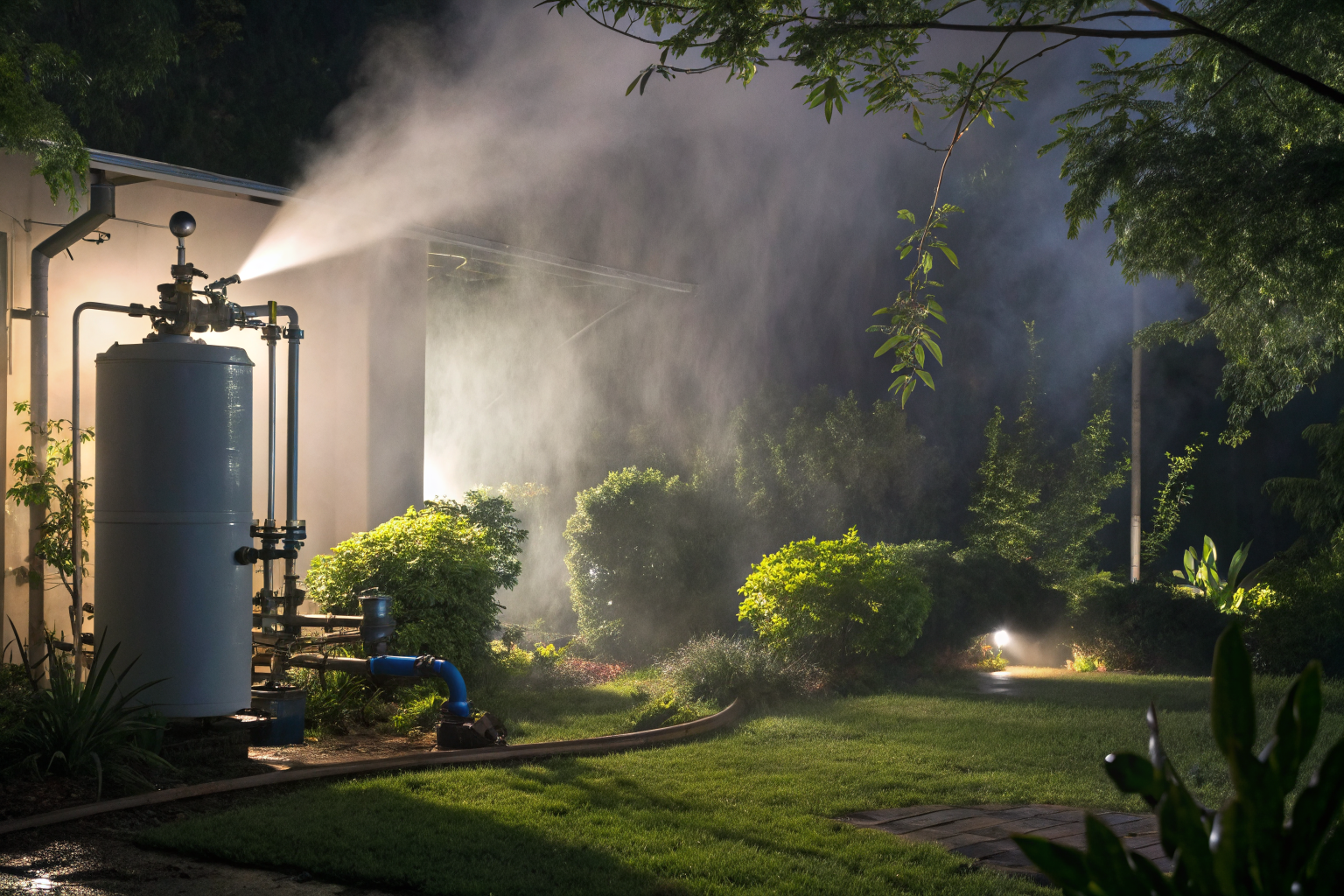
Well water treatment maintenance keeps your $3,000 system working, but most owners skip the critical tasks that prevent expensive failures.
Key Takeaways:
- Water softener resin lasts 8-12 years with proper salt management, but iron contamination cuts that to 3-5 years
- UV bulbs lose 40% effectiveness after 9,000 hours, replace annually regardless of whether they still glow
- Activated carbon filters saturate after 6-12 months depending on contaminant load, not just water volume
What Happens When You Skip Well Water Treatment Maintenance?
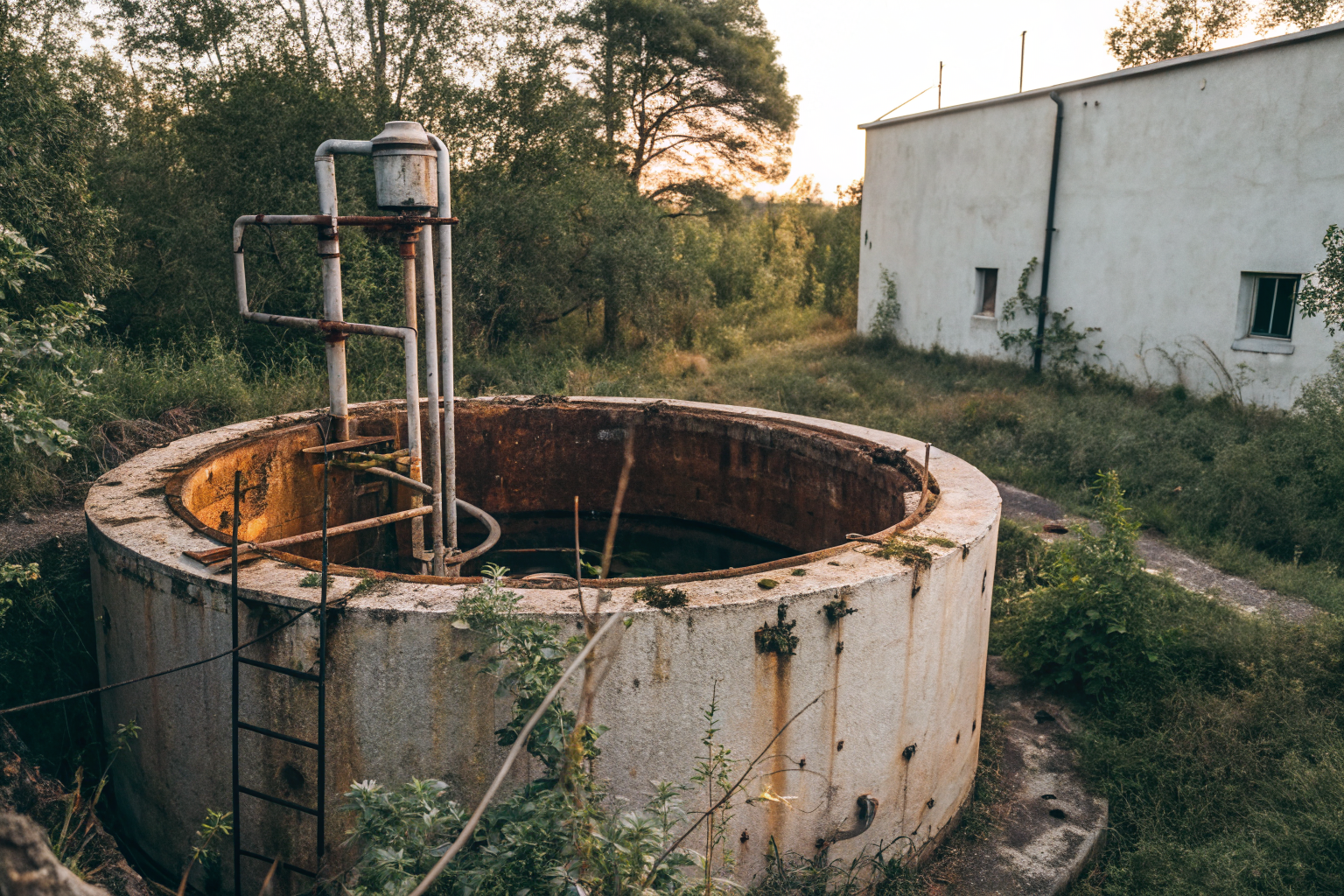
Neglected treatment systems create health risks through contamination breakthrough. I’ve seen systems lose 25-50% effectiveness in their first year without maintenance, yet homeowners assume everything works fine until they notice staining, odors, or worse symptoms.
Treatment verification testing reveals the hidden damage. UV systems with expired bulbs still produce light but kill fewer bacteria. Iron filters with saturated media pass dissolved iron that oxidizes in your plumbing, creating rust stains throughout your house. Water softeners with exhausted resin fail to remove hardness minerals, shortening the life of water heaters and appliances.
The cost of neglect exceeds maintenance expenses quickly. A $200 annual UV bulb replacement prevents the $1,500 cost of re-treating bacterial contamination throughout your plumbing system. Regular iron filter media changes at $300 every 3-5 years beat replacing stained fixtures, clothing, and appliances.
System performance monitoring catches problems before they become expensive. Most treatment failures happen gradually, effectiveness drops month by month until the system provides no protection at all. By the time you notice symptoms, contamination has already spread through your household water supply.
Systems fail silently in ways that standard testing misses. A UV system with a fouled quartz sleeve still shows proper flow rates but allows bacteria to pass untreated. An iron filter with channeling media removes some iron but leaves enough to stain laundry and fixtures.
Well Water Treatment Maintenance Schedule by System Type
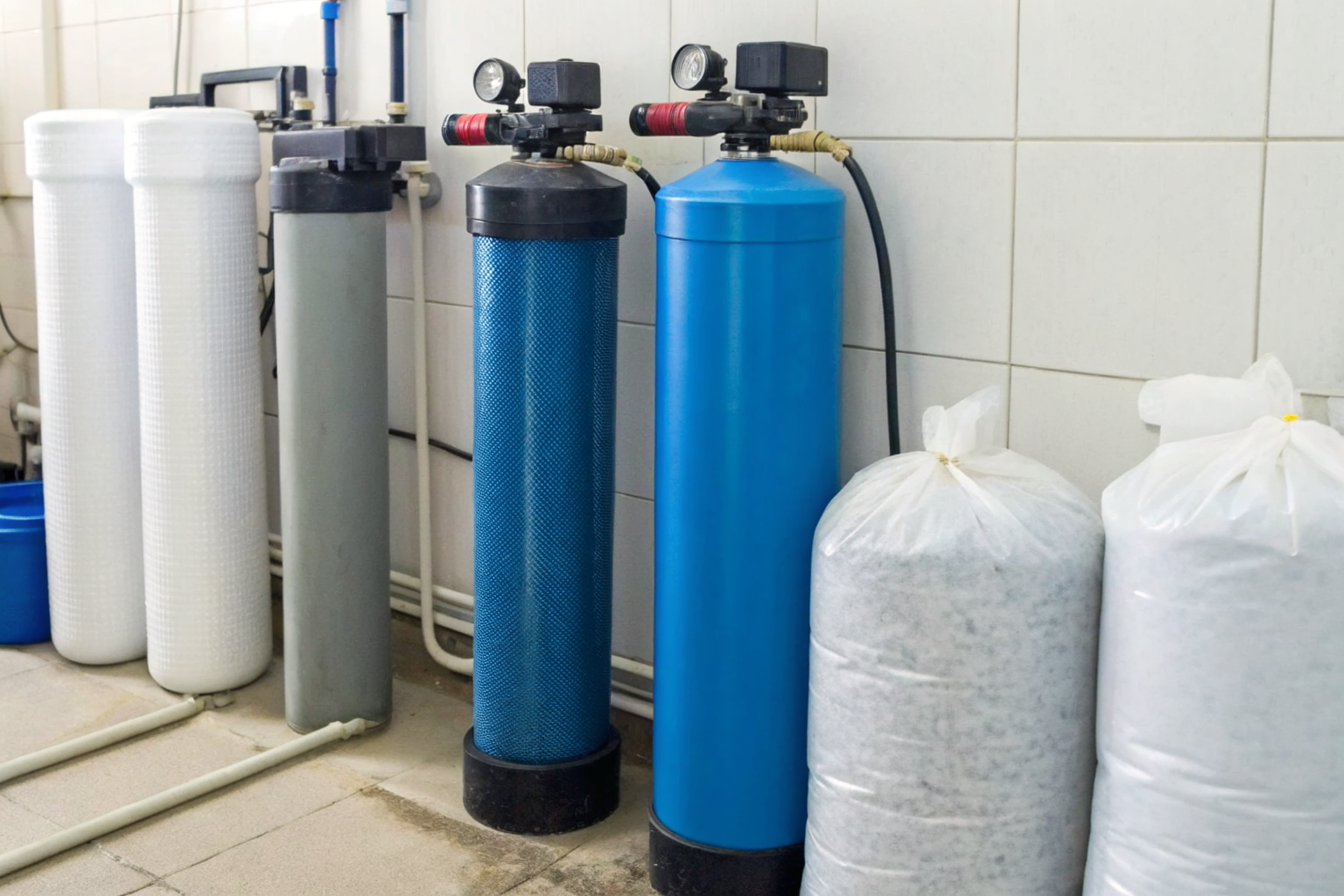
Different treatment systems require specific maintenance schedules based on their technology and your water chemistry. Here’s what each system needs:
| System Type | Monthly Tasks | Quarterly Tasks | Annual Tasks | Multi-Year Tasks |
| — | — | — | — |
| Water Softener | Check salt level, inspect brine tank | Clean brine tank, check resin bed | Test hardness removal, calibrate regeneration | Replace resin (8-12 years) |
| UV Disinfection | Check UV intensity meter | Clean quartz sleeve, inspect O-rings | Replace UV bulb, test bacterial kill rate | Replace ballast (5-7 years) |
| Activated Carbon | Monitor flow rate decline | Test chlorine removal capacity | Replace carbon media | Replace vessel (10-15 years) |
| Iron Filter | Check backwash frequency | Inspect media bed depth | Replace filter media, test iron removal | Rebuild control valve (7-10 years) |
| Reverse Osmosis | Replace sediment pre-filter | Replace carbon pre-filter | Replace RO membrane, test rejection rate | Replace storage tank (5-8 years) |
Your water chemistry changes maintenance frequency. High iron levels require more frequent backwashing of iron filters. Chlorinated water saturates carbon filters faster. Hard water with high TDS shortens RO membrane life.
Seasonal maintenance tasks prevent winter damage and optimize summer performance. Drain exterior filter housings before freezing. Increase UV system monitoring during warm months when bacterial growth peaks. Check water softener salt levels more frequently during high-usage summer periods.
Filter replacement schedules depend on contaminant load, not just time. A carbon filter treating 2 ppm chlorine reaches saturation in 6 months. The same filter treating 0.5 ppm chlorine lasts 18 months. Track actual performance, not just calendar dates.
How to Monitor Your Treatment System Performance
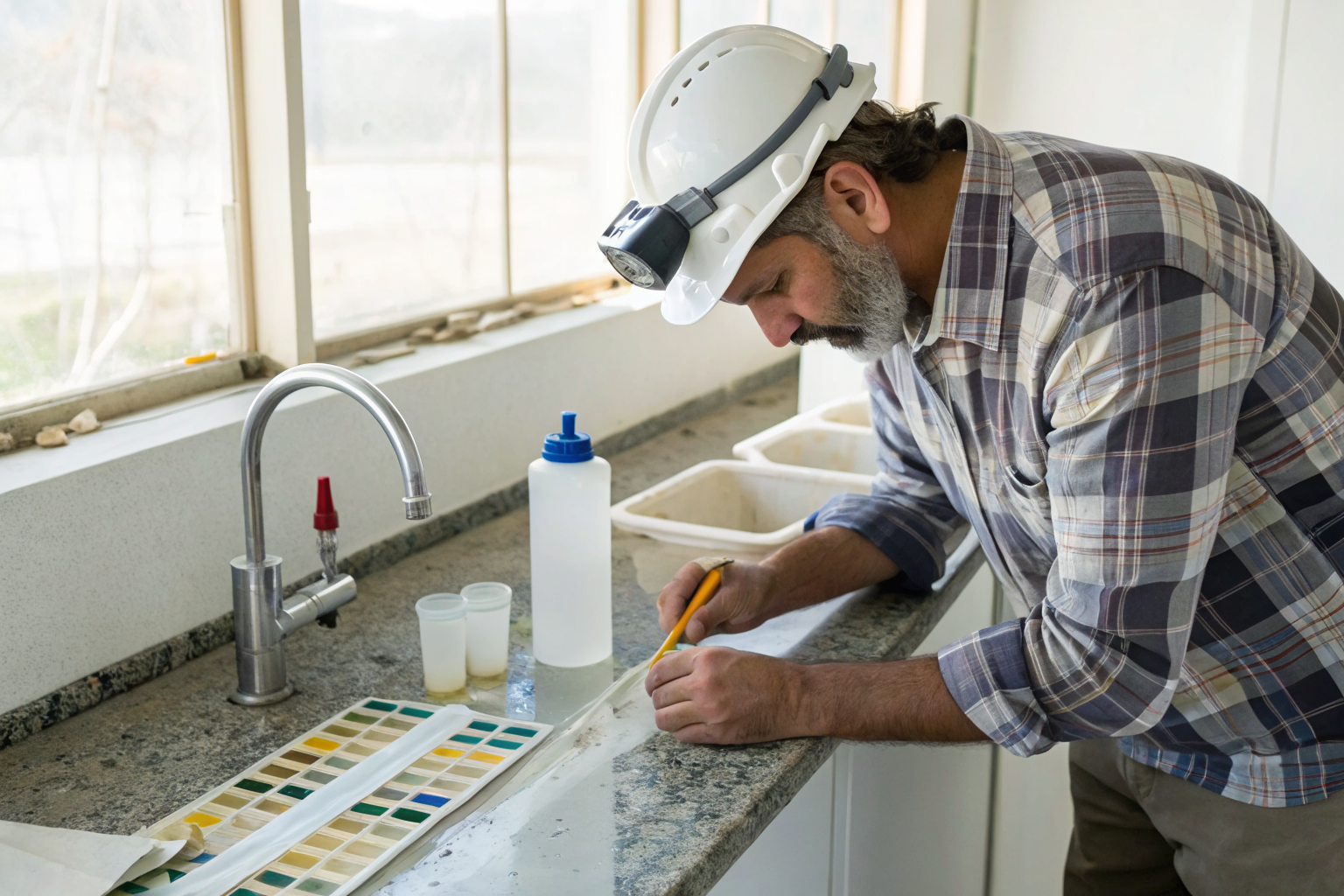
Performance monitoring detects system degradation before complete failure. Follow this 5-step monthly monitoring protocol:
Test treated water for target contaminants. Use test strips specific to what your system removes, iron strips for iron filters, hardness strips for softeners, bacteria tests for UV systems. Compare results to your baseline treated water quality.
Check system pressure readings. Record inlet and outlet pressures monthly. Pressure drops indicate clogged filters or media channeling. Pressure increases suggest scaling or fouling in the system.
Monitor flow rates and cycle times. Time how long backwash cycles take for iron filters. Check regeneration frequency for water softeners. Document changes that indicate declining performance.
Inspect physical components. Look for salt bridging in softener brine tanks. Check UV intensity meters for declining readings. Examine filter housings for cracks or leaks that allow bypass.
Document consumption patterns. Track salt usage in softeners, media replacement frequency, and filter change intervals. Sudden increases indicate system problems or changing water chemistry.
Professional testing catches problems that home monitoring misses. Annual bacterial testing verifies UV system effectiveness even when the bulb glows. Comprehensive water analysis reveals breakthrough contamination before you notice symptoms.
Performance indicators vary by system type. Iron filters show declining performance through longer backwash cycles and faster media consumption. Water softeners indicate problems through increased salt usage and shortened regeneration intervals. UV systems warn of trouble through declining UV intensity readings and slower bacterial kill rates.
When Do Treatment System Filters Actually Need Replacement?
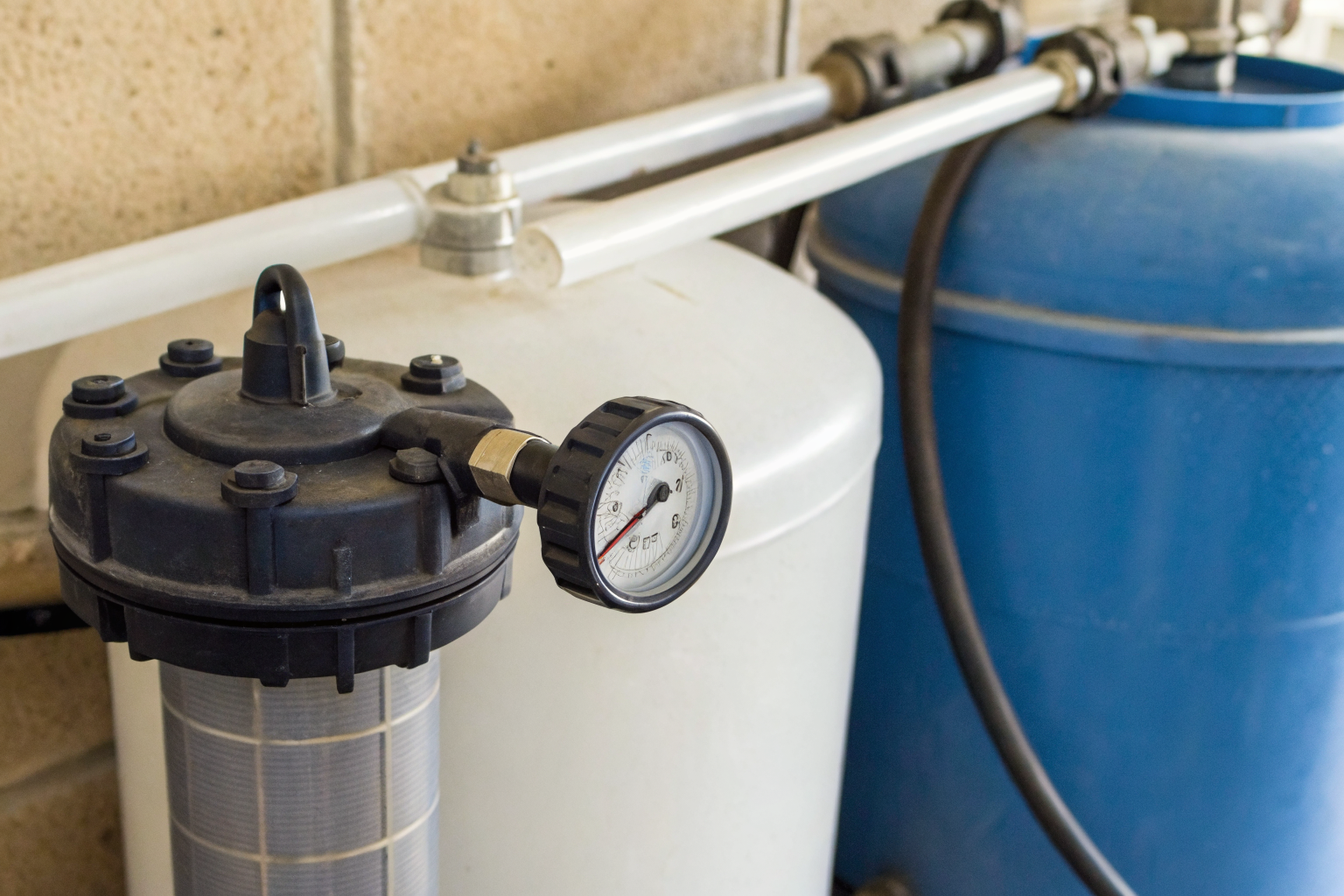
Filter replacement indicators signal required maintenance beyond manufacturer time intervals. Watch for these 8 warning signs:
Pressure drop exceeds 15 PSI across the filter housing. This indicates media saturation or significant fouling that restricts water flow and reduces treatment effectiveness.
Target contaminant levels return to pre-treatment concentrations. Iron staining reappears with iron filters. Hard water deposits return with exhausted softener resin. Chlorine taste returns with saturated carbon.
Backwash or regeneration cycles increase in frequency by 50% or more. Systems work harder to maintain performance when media approaches exhaustion.
Physical media changes become visible. Carbon turns from black to gray. Iron filter media develops channeling grooves. Softener resin beads break down and appear in treated water.
Water flow rate drops below 75% of original capacity. Clogged media restricts flow even when pressure remains stable.
System cycles complete but performance metrics decline. UV intensity drops despite new bulbs. Softener regenerates normally but hardness removal decreases.
Treatment verification testing shows contamination breakthrough. Lab results reveal declining removal efficiency before symptoms appear in daily use.
Unusual tastes, odors, or colors develop in treated water. These often indicate bacterial growth in saturated media or chemical breakthrough from exhausted filters.
Cost analysis favors early replacement over late intervention. Replacing carbon filters at 75% capacity costs $150 but prevents the $500+ expense of treating bacterial contamination in saturated media. Iron filter media replacement at first performance decline costs $300 versus $800+ for media plus damaged downstream components.
Manufacturer schedules provide starting points, not absolute rules. A carbon filter rated for 12 months may last 18 months in low-chlorine water or need replacement after 6 months in high-contaminant conditions.
Post-Treatment Testing: How Often and What to Test

Treatment verification testing is systematic analysis of treated water to confirm system effectiveness. This means testing your water after treatment to verify that contaminants are removed to target levels. The process catches system failures before they create health risks or property damage.
Annual verification testing catches 67% of treatment failures before homeowners notice symptoms. Test for the specific contaminants your system targets, bacteria for UV systems, iron for iron filters, hardness for water softeners. Include upstream testing to confirm the system receives expected influent quality.
Testing schedule varies by system complexity and risk level. UV disinfection systems require quarterly bacterial testing during peak usage months and annual comprehensive testing. Iron filters need annual iron analysis plus visual inspection for staining. Water softeners need hardness testing every six months plus annual mineral analysis.
Some contaminants show up in testing before physical symptoms appear. Bacterial breakthrough occurs weeks before odors develop. Iron breakthrough happens before staining becomes visible. PFAS or arsenic breakthrough never produces noticeable symptoms but creates long-term health risks.
System problems appear in testing results as trending changes, not sudden failures. Declining removal efficiency shows up as gradually increasing contaminant levels over multiple test cycles. Track results over time to identify maintenance needs before complete system failure.
What Does Well Water Treatment Maintenance Actually Cost?
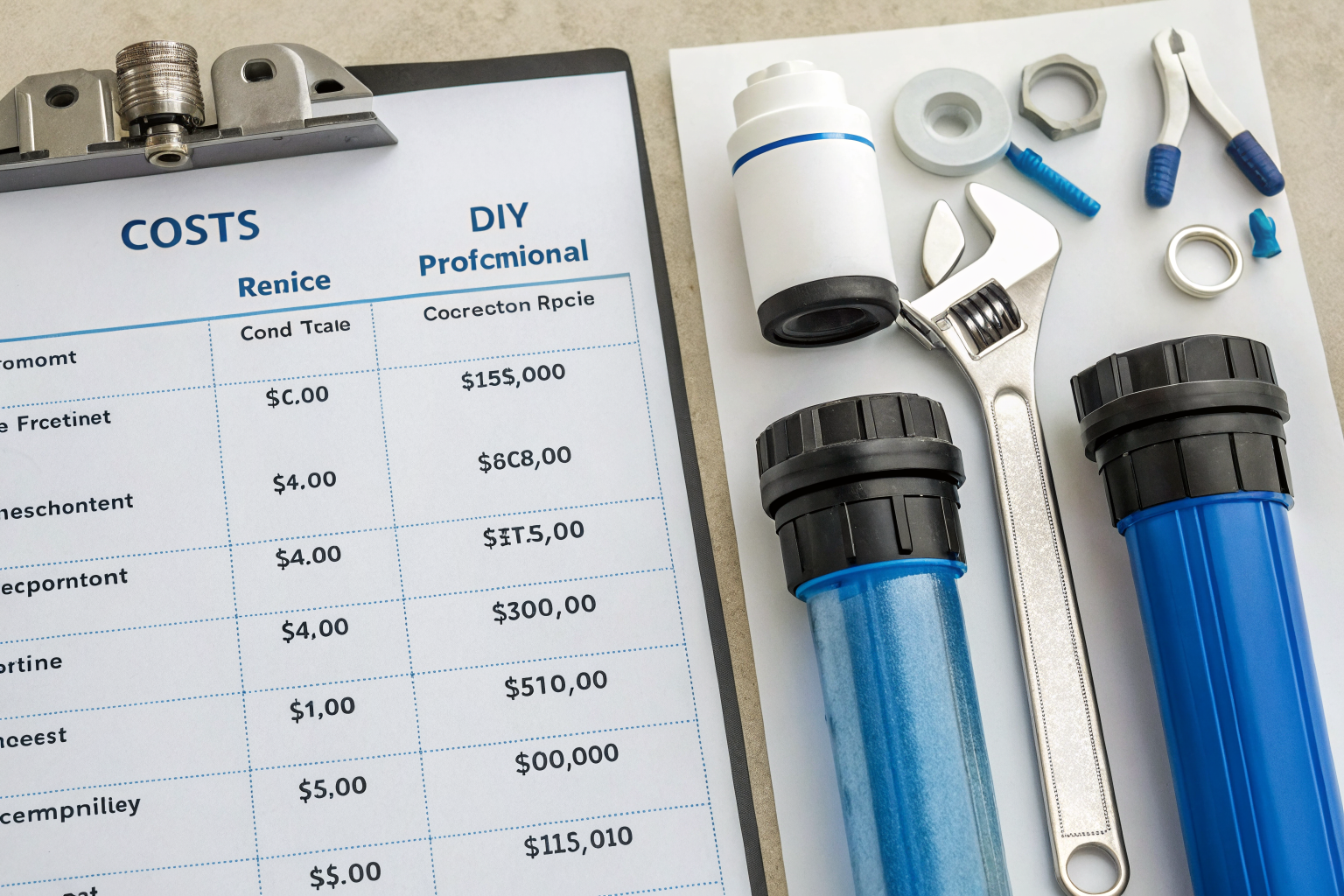
Maintenance costs vary by system complexity and local service availability. Here’s what to budget annually:
| System Type | DIY Annual Cost | Professional Service Cost | Major Component Replacement |
|---|---|---|---|
| Water Softener | $50-$150 (salt, basic parts) | $200-$400 (full service, calibration) | $800-$1,500 (resin replacement) |
| UV Disinfection | $100-$200 (bulb, sleeve cleaning) | $300-$500 (bulb, testing, calibration) | $600-$1,200 (ballast, housing) |
| Activated Carbon | $75-$200 (media replacement) | $250-$450 (media, housing inspection) | $400-$800 (vessel replacement) |
| Iron Filter | $150-$300 (media, valve service) | $400-$700 (media, valve rebuild) | $800-$1,500 (complete valve replacement) |
| Reverse Osmosis | $100-$250 (all filter stages) | $300-$600 (filters, membrane, testing) | $400-$900 (pressure tank, membrane housing) |
Maintenance represents 8-15% of original system purchase price annually when performed correctly. A $3,000 treatment system needs $250-$450 in annual maintenance to maintain warranty coverage and optimal performance.
Professional service costs include testing, calibration, and warranty protection that DIY maintenance cannot provide. Many manufacturers require professional service for warranty claims, making the cost difference smaller than it appears.
Deferred maintenance creates exponential cost increases. A $200 annual UV bulb replacement prevents the $2,000+ cost of bacterial system contamination. Regular $300 iron filter media changes beat the $1,500 expense of replacing iron-damaged fixtures and appliances.
Budget for unexpected repairs and component failures beyond routine maintenance. Control valves, pumps, and electronic components fail unpredictably. Set aside an additional 5-10% of system cost annually for emergency repairs.
Frequently Asked Questions
How do I know if my well water treatment system is working properly?
Monitor treated water quality monthly using simple test strips for your system’s target contaminants. Performance drops show up as returning symptoms like iron staining, hard water deposits, or bacterial odors. Annual professional testing verifies your system removes contaminants to safe levels.
Can I service my well water treatment system myself or do I need a professional?
Basic maintenance like filter changes, salt refills, and UV bulb replacement are DIY-friendly for most systems. Complex tasks like resin bed replacement, pump adjustments, or troubleshooting performance problems require professional service. Always follow manufacturer guidelines for warranty protection.
What happens if I use the wrong replacement parts in my treatment system?
Wrong filter media or incompatible parts can damage your system and void warranties. More importantly, incorrect components may not remove contaminants effectively, creating health risks you won’t notice without testing. Always verify part compatibility with your specific system model and water chemistry.