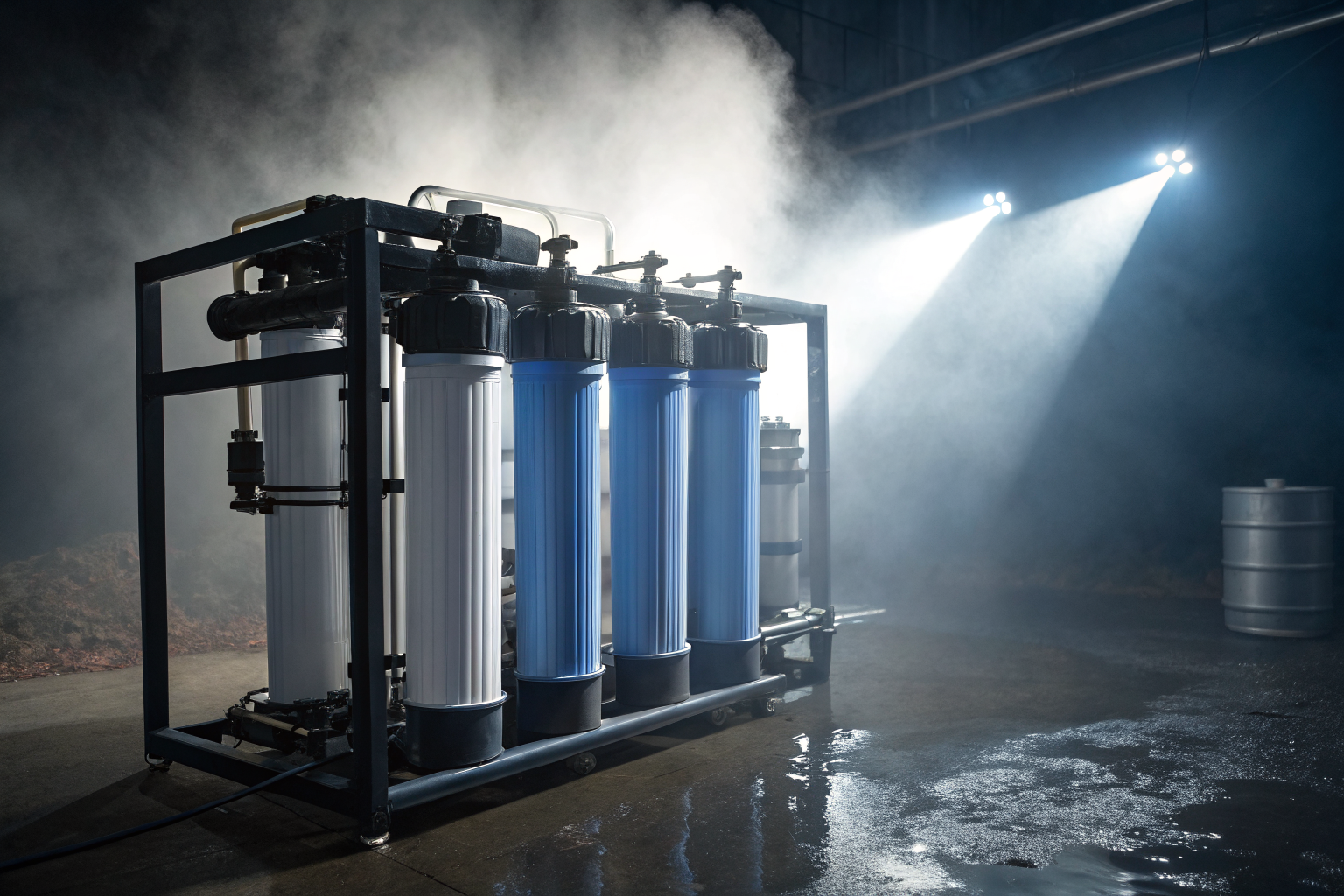
Well water filter replacement schedule determines whether your family drinks treated or contaminated water. Waiting until your filter stops working means you’ve already been drinking untreated water for weeks.
Key Takeaways:
• UV bulbs must be replaced every 12 months regardless of appearance, they lose effectiveness at 9,000 hours
• Sediment filters last 3-6 months in high-iron wells but up to 12 months in clear water conditions
• RO membranes cost $50-200 to replace but can last 2-3 years with proper pre-filtration
How Do You Know When Your Well Water Filter Actually Needs Replacement?
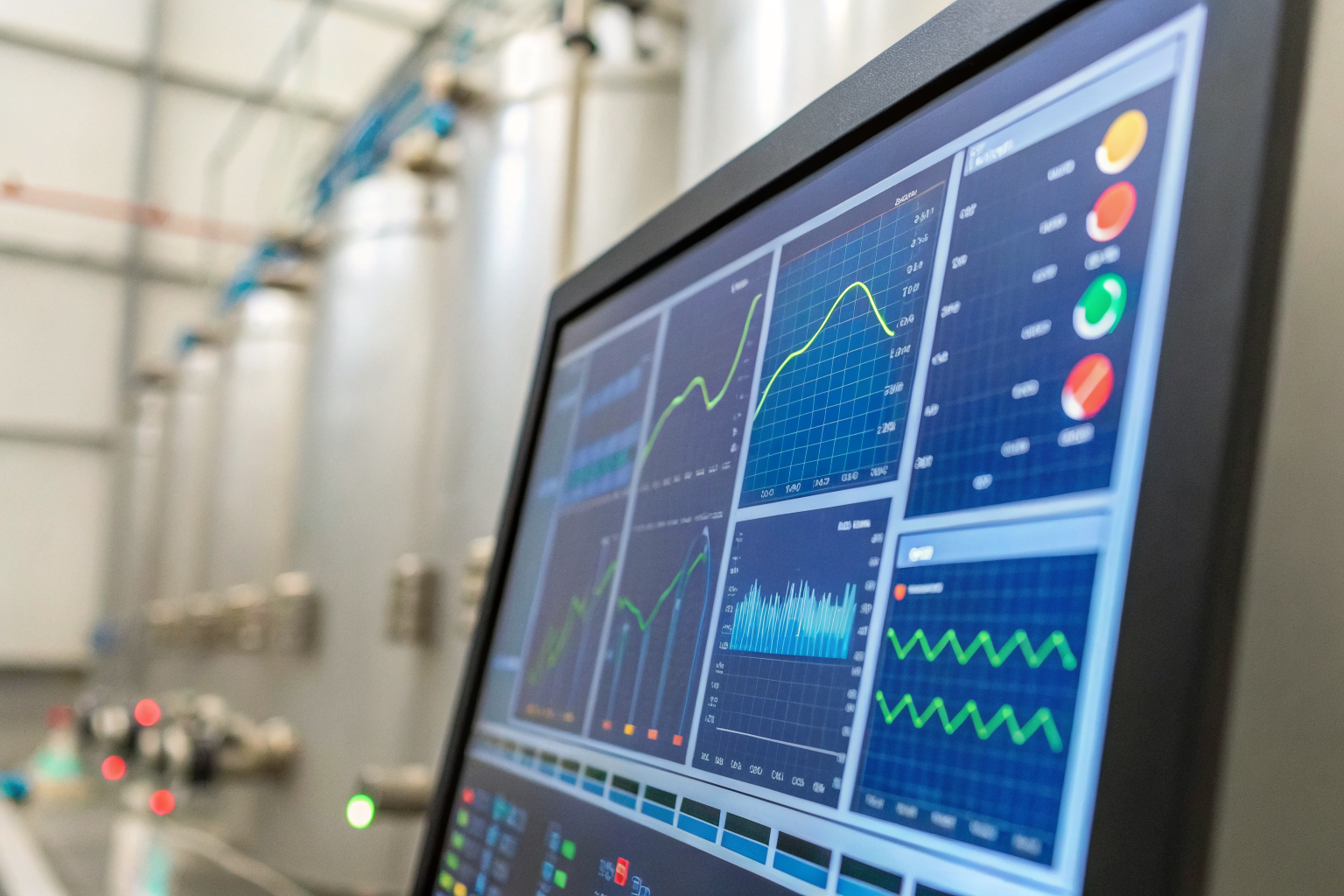
System performance monitoring is the practice of tracking measurable changes in water quality, flow rate, and pressure to determine filter replacement timing. This means relying on data instead of guessing based on calendar dates alone.
Filter performance degradation indicates replacement timing through several measurable signals. A 10-15 PSI pressure drop indicates sediment filter saturation and immediate replacement need. Visual inspection reveals brown or black discoloration in sediment filters, while activated carbon filters show no external signs of exhaustion.
Water quality changes provide the most reliable replacement signals. Taste and odor return when carbon filters reach capacity. Iron staining reappears when iron filters fail. Bacterial contamination occurs when UV systems lose effectiveness.
Flow rate decline signals filter clogging. A 25% reduction in water pressure at fixtures means sediment filters need changing. Whole-house systems should maintain consistent pressure across all outlets when filters function properly.
Pressure gauges installed before and after filter housings eliminate guesswork. New sediment filters show 2-3 PSI pressure differential. When this gap reaches 15 PSI, the filter blocks more water than it treats.
Sediment and Carbon Filter Replacement Schedule by Water Chemistry
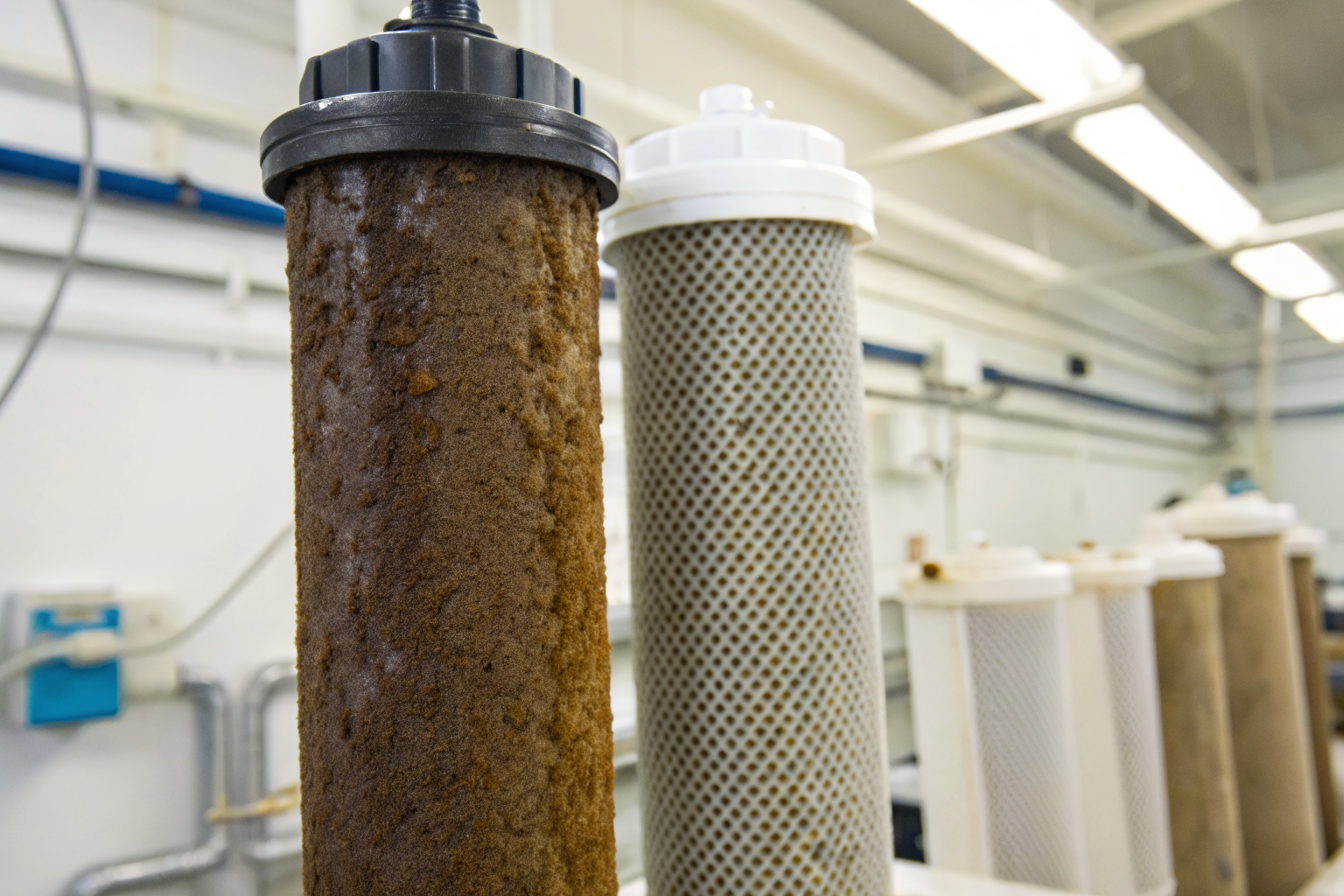
Water chemistry conditions determine sediment filter lifespan more than time intervals. Wells with 5+ ppm iron reduce sediment filter life from 6 months to 6-8 weeks due to rapid iron oxide accumulation.
| Water Condition | Sediment Filter Life | Carbon Filter Life | Replacement Trigger |
|---|---|---|---|
| Clear water, low iron (<1 ppm) | 9-12 months | 12-18 months | Pressure drop |
| Moderate iron (1-3 ppm) | 4-6 months | 6-9 months | Iron staining returns |
| High iron (3+ ppm) | 6-10 weeks | 3-4 months | Weekly inspection needed |
| Tannin-rich water | 6-8 months | 3-6 months | Water color returns |
| High turbidity (>5 NTU) | 2-4 months | 6-8 months | Visual inspection |
Activated carbon filter effectiveness depends on contaminant loading. Chlorine removal capacity ranges from 10,000-50,000 gallons depending on filter size. Wells with hydrogen sulfide exhaust carbon filters in 3-6 months due to sulfur compound absorption.
Tannins from decaying organic matter create brown water and overwhelm carbon filters faster than iron. These organic acids coat carbon surfaces, reducing adsorption capacity by 40-60% compared to clear water conditions.
Hardness levels above 10 grains per gallon accelerate sediment filter clogging through mineral precipitation. Calcium and magnesium deposits combine with iron particles to form dense filter cake that blocks water flow.
Turbidity measurements guide replacement schedules more accurately than time intervals. Wells producing water above 1 NTU require monthly filter inspection. Clear wells under 0.3 NTU allow 6-month replacement cycles.
UV Bulb and Sleeve Replacement: Why the 12-Month Rule Exists
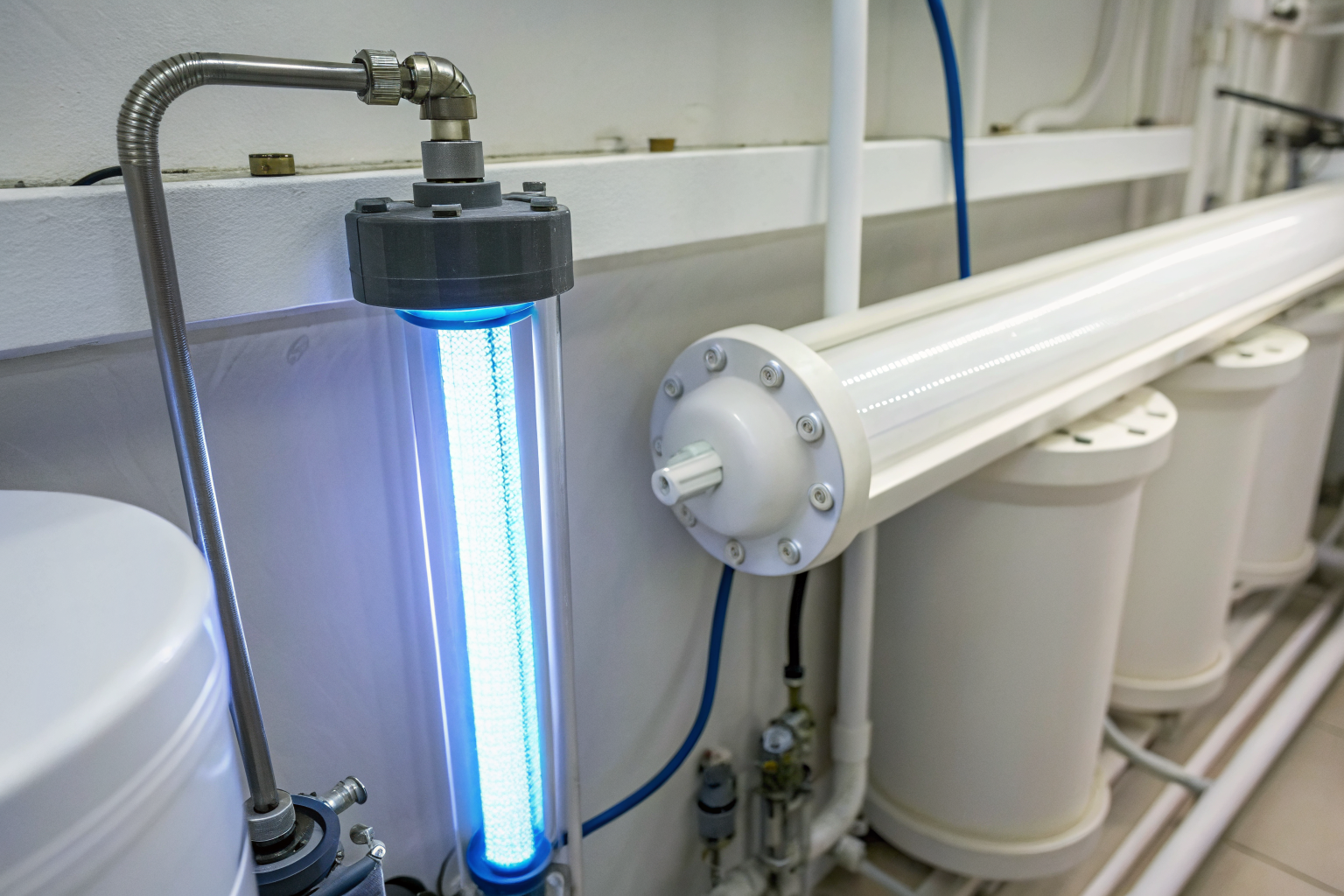
UV disinfection effectiveness decreases after 9000 operating hours, making annual replacement non-negotiable for bacterial safety. UV lamp output drops to 85% effectiveness at 9,000 hours of operation, below the minimum dose needed for reliable disinfection.
Follow these replacement steps for maximum protection:
Replace UV bulbs every 12 months on the anniversary date. Lamp hour counters track operating time, but calendar replacement prevents confusion and missed deadlines.
Clean the quartz sleeve every 3-4 months during bulb operation. Iron buildup on sleeve surfaces blocks UV transmission by 20-30%, reducing disinfection effectiveness even with new bulbs.
Install new sleeves when replacing bulbs if iron staining appears. Etched or permanently stained sleeves cannot be cleaned to full transparency and block critical UV doses.
Test for bacteria 48-72 hours after bulb replacement. This confirms the new system achieves proper disinfection levels before relying on treated water.
Schedule replacement in late winter or early spring. New bulbs provide peak effectiveness during warmer months when bacterial growth accelerates.
Keep spare bulbs in original packaging away from light. UV bulbs degrade from fluorescent light exposure even when not operating.
Seasonal replacement timing matters for bacterial protection. Spring installation provides maximum UV output during summer months when well contamination risks increase from surface water infiltration and higher groundwater temperatures.
RO Membrane and Filter Stage Replacement Cycles
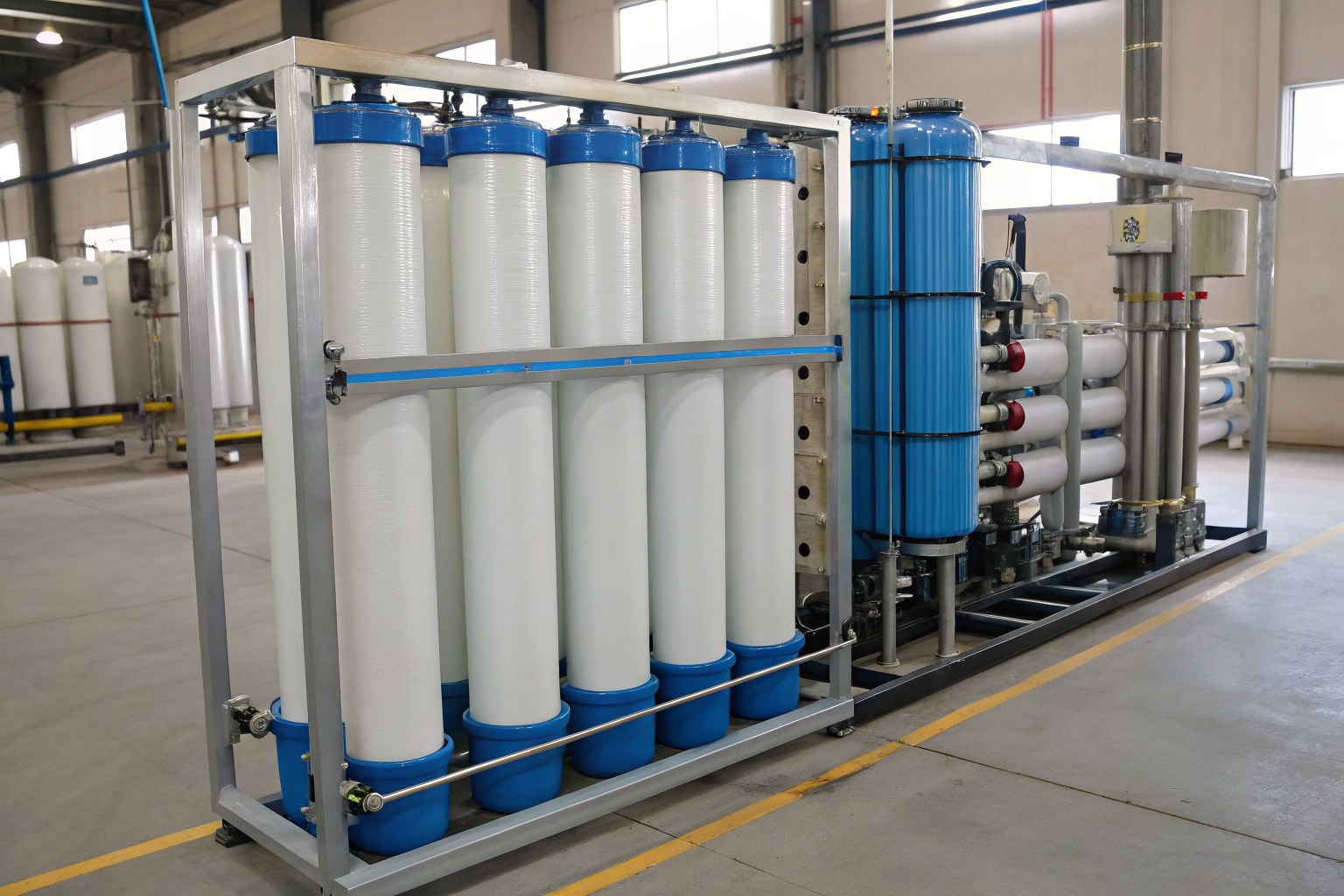
RO membrane multi-year cycle depends on pre-filtration quality and incoming water chemistry. Membranes should maintain 95%+ salt rejection for 2-3 years with proper pre-filtration protection.
Replacement cycles follow this staged approach:
• Pre-filters every 6-12 months: Sediment and carbon pre-filters protect expensive RO membranes from fouling and chlorine damage. Replace these first when system performance declines.
• RO membranes every 2-3 years: Monitor TDS rejection rates monthly using handheld meters. Replace membranes when treated water TDS exceeds 10% of incoming water TDS levels.
• Post-carbon filters annually: Final polishing filters remove taste and odor from RO water. Replace when stored water develops off-tastes after 24-48 hours in the tank.
• System sanitization during membrane changes: Bacterial growth in RO tanks requires disinfection with every membrane replacement to prevent recontamination.
System performance monitoring reveals membrane condition through measurable parameters. Daily water production should remain within 20% of rated capacity. A 50% flow reduction indicates membrane fouling or scaling that requires immediate attention.
TDS rejection testing provides the most reliable membrane assessment. New membranes reject 95-99% of dissolved solids. When rejection drops below 90%, membrane integrity has failed and replacement is necessary.
Pressure requirements increase as membranes foul. Systems requiring 20+ PSI above normal operating pressure to maintain flow rates need new membranes regardless of age.
Iron Filter Media Regeneration vs Replacement Timeline
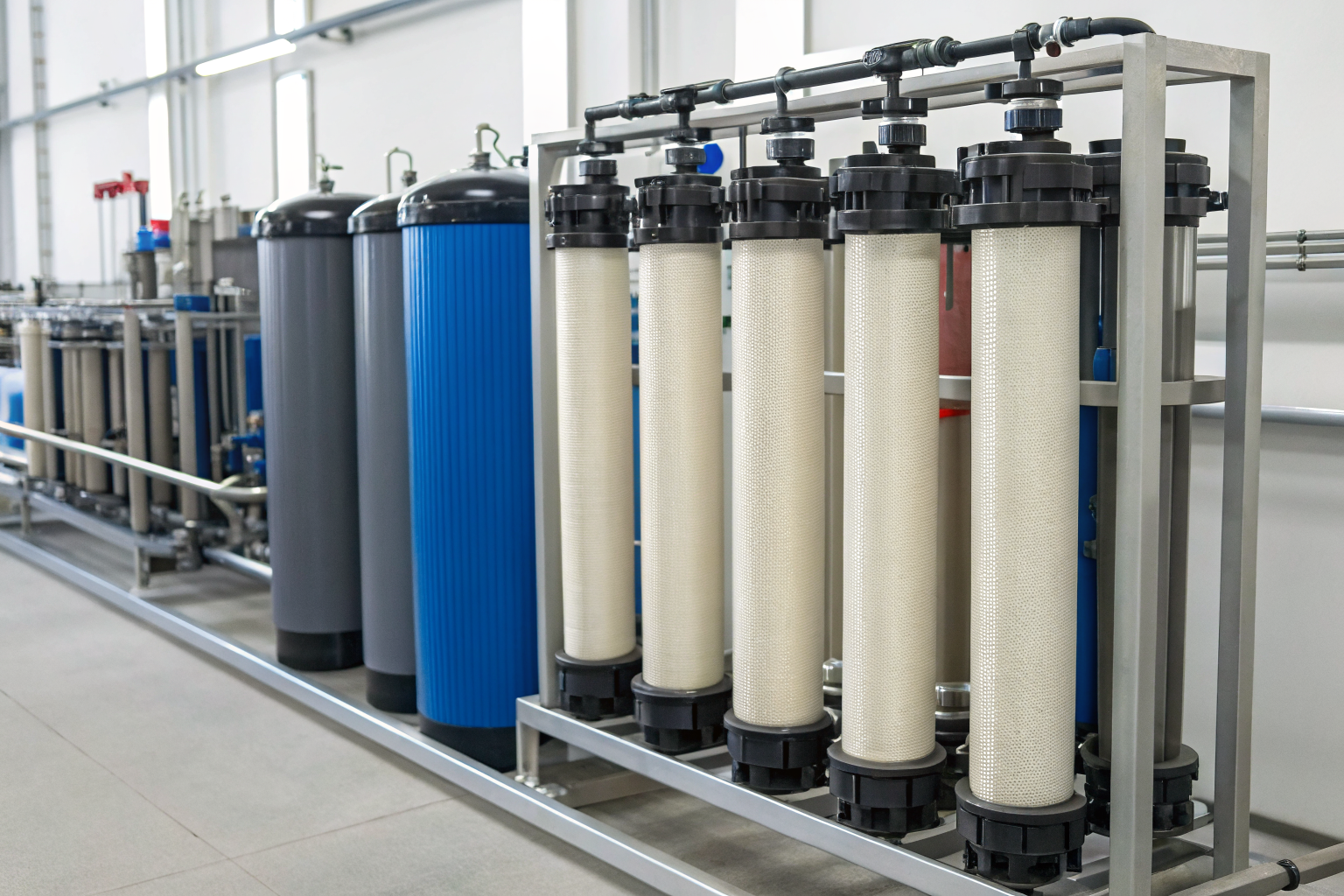
Iron filter media lifespan varies by regeneration method and iron loading in well water. Different media types require specific replacement schedules based on their oxidation and filtration mechanisms.
| Media Type | Lifespan | Regeneration Method | Iron Capacity | Replacement Cost |
|---|---|---|---|---|
| Birm | 5-8 years | Backwash only | 3-5 ppm max | $200-400 |
| Greensand | 3-5 years | Potassium permanganate | Up to 15 ppm | $300-500 |
| Filox | 7-10 years | Backwash + air | Up to 20 ppm | $400-600 |
Water softener resin in combination iron/softening systems lasts 8-12 years with proper maintenance. Iron fouling reduces resin capacity by coating exchange sites with iron oxides that resist salt regeneration.
Backwash frequency affects media longevity. Weekly backwashing removes accumulated iron particles before they cement into hard deposits. Monthly backwashing allows iron buildup that shortens media life by 30-40%.
Iron loading calculations determine replacement timing. Wells producing 3 ppm iron at 10 gallons per minute expose media to 43 pounds of iron annually. Media beds reach saturation when iron accumulation exceeds oxidation capacity.
Media bed depth impacts service life through contact time. Deeper beds provide longer contact between water and media, improving iron removal efficiency and extending media lifespan. Shallow beds require more frequent replacement due to breakthrough.
PH levels below 6.8 accelerate media degradation through acid dissolution. Birm media requires pH above 6.8 for effective operation and long service life.
How to Verify Your Treatment System Is Still Working After Component Replacement
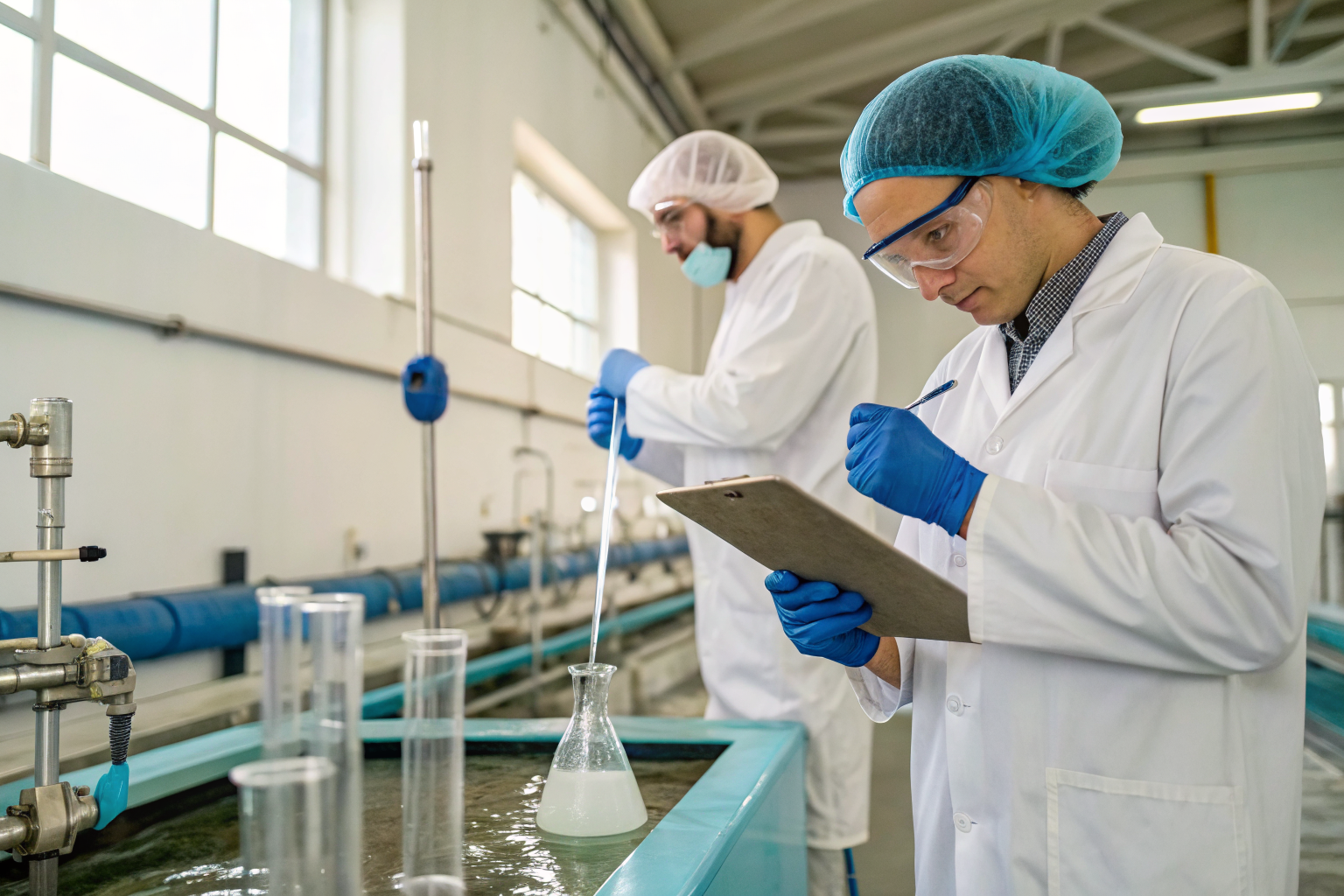
Treatment verification testing confirms component replacement effectiveness through specific water quality measurements. This means testing the right parameters at the right time to ensure your new components actually protect your family.
Bacterial testing should be completed 48-72 hours after UV bulb replacement to confirm disinfection effectiveness. Immediate testing may show false positives from disturbed biofilm, while delayed testing misses early system failures.
Post-replacement testing protocols vary by system type. Iron filter systems require iron and manganese testing one week after media replacement. RO systems need TDS testing immediately after startup plus bacterial testing 72 hours later.
Specific parameters to verify depend on your treatment goals. UV systems require total coliform and E. coli testing. Carbon filters need chlorine, taste, and odor evaluation. Iron systems require iron, manganese, and turbidity measurement.
Testing timeline after component changes follows equipment startup requirements. Most systems need 24-48 hours of operation to reach steady-state performance before accurate testing. Rush testing produces unreliable results that miss real problems.
Performance benchmarking compares new component results to original system specifications. Keep baseline test results from initial system installation to identify performance degradation over time. New components should restore original treatment effectiveness levels.
System performance monitoring continues beyond initial verification testing. Monthly spot checks during the first quarter after replacement catch early component failures before they compromise water safety.
Frequently Asked Questions
How often should you replace carbon filters in well water systems?
Activated carbon filters last 6-12 months in well water applications, but iron and hydrogen sulfide reduce this to 3-6 months. Monitor taste, odor, and chlorine removal effectiveness rather than relying solely on time intervals. Wells with sulfur smells exhaust carbon filters much faster than clear water conditions.
Can you tell if a UV bulb is working just by looking at it?
UV bulbs often appear to work normally even when their germicidal effectiveness has dropped below safe levels. The blue glow indicates the bulb is on, but UV output degrades invisibly over 9,000 operating hours. Only bacterial testing confirms whether UV disinfection still protects your water supply.
What happens if you wait too long to replace RO membranes?
Worn RO membranes allow increasing levels of dissolved contaminants through while producing less water. TDS levels in treated water will rise above 10% of incoming water, and daily production may drop by 50% or more. Eventually, the membrane fails completely and provides no treatment benefit despite appearing to function.