
Well water testing for coliform bacteria reveals whether harmful microorganisms have invaded your water supply. A positive coliform test means bacteria that shouldn’t be in your well water are there, but whether you stop drinking it today depends on which type tested positive.
Key Takeaways:
- Total coliform bacteria indicate potential contamination pathways but aren’t necessarily dangerous, fecal coliform and E. coli are the immediate health threats
- You must stop drinking your water immediately if fecal coliform or E. coli test positive and switch to bottled water until disinfection is complete
- After shock chlorination, you must wait 72 hours before retesting, testing too early will show false positives from residual chlorine
What Do Different Types of Coliform Bacteria Actually Mean?

Total coliform is a group of bacteria that naturally occur in soil, vegetation, and untreated water sources. This means finding total coliform in your well indicates a potential pathway for contamination but doesn’t necessarily signal immediate danger. Think of total coliform as a warning light, it tells you something might be wrong with your well’s integrity.
Fecal coliform is a subset of total coliform that comes specifically from human or animal waste. This means sewage, septic system leakage, or animal droppings have contaminated your water source. Fecal coliform presence indicates a serious contamination pathway that can carry disease-causing organisms.
E. coli is the most dangerous indicator bacteria in routine well water quality testing. E. coli lives only in the intestines of warm-blooded animals, so any detection means recent fecal contamination. Some strains of E. coli cause severe illness, kidney failure, and death.
The EPA Maximum Contaminant Level for all coliform bacteria is zero presence in any sample. No amount of coliform bacteria is considered safe in drinking water. A single positive result triggers mandatory follow-up testing and corrective action.
The distinction matters because your response depends on the type detected. Total coliform alone might mean your well cap is loose or your casing has minor issues. Fecal coliform or E. coli means sewage contamination and immediate health risk.
What Should You Do Immediately After a Positive Coliform Test?

Your immediate actions depend on which coliform type tested positive and the contaminant health risk level your state-certified laboratory detected.
Stop drinking the water immediately if fecal coliform or E. coli tested positive. Switch to bottled water for drinking, cooking, brushing teeth, and making ice within 24 hours of receiving results. The CDC recommends this precaution because these bacteria indicate sewage contamination.
Continue using water for bathing and dishwashing if only total coliform tested positive. Total coliform poses minimal risk through skin contact, but avoid drinking until you determine if fecal indicators are also present.
Contact your laboratory to schedule confirmatory testing within 24 hours. Labs must retest positive coliform results using a different sample to confirm contamination and rule out sampling errors.
Collect the confirmation sample from a different tap if possible. Use your kitchen faucet if the original sample came from a basement spigot, or vice versa. This helps determine if contamination affects your entire system or just one outlet.
Document the timeline and any recent changes to your well system. Note recent heavy rains, nearby construction, septic pumping, or well maintenance that might explain the contamination source.
Notify anyone else drinking your water immediately. Family members, tenants, or neighbors sharing your well need to know about the contamination and switch to bottled water if fecal indicators are present.
Don’t attempt to treat the water yourself with boiling or filtration until you know the contamination extent. Proper contaminant detection requires professional disinfection protocols.
How Do You Identify the Source of Coliform Contamination in Your Well?
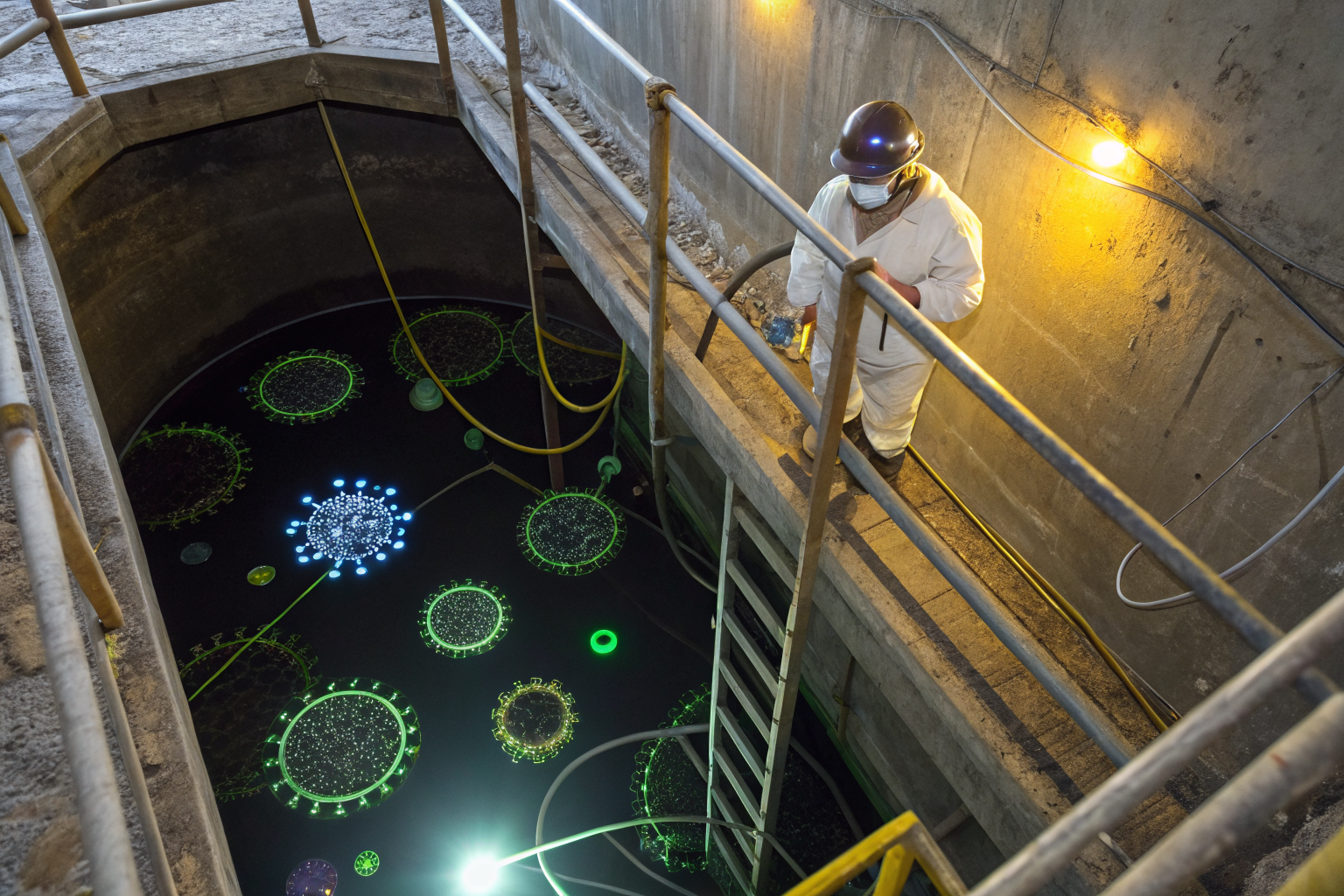
Contamination source determines your treatment approach and whether you can prevent future occurrences. Different bacterial signatures point to specific contamination pathways in your well system.
| Contamination Source | Bacterial Pattern | Investigation Steps |
|---|---|---|
| Surface water intrusion | Total coliform only, seasonal pattern | Check well cap, casing seal, inspect after heavy rain |
| Septic system leakage | Fecal coliform + E. coli, consistent presence | Test wells within 100 feet, inspect septic tank and drainfield |
| Animal waste contamination | Fecal coliform present, E. coli variable | Look for livestock access, wildlife activity near wellhead |
| Cross-connection issues | Intermittent positive results | Check for garden hose connections, back-siphonage points |
| Well construction problems | Persistent total coliform, depth-dependent | Inspect casing integrity, grouting, sanitary seal condition |
Surface water intrusion accounts for 60% of coliform contamination in shallow wells under 50 feet deep. Regional contamination patterns in your area affect your investigation approach, wells in agricultural regions face different risks than those in suburban developments.
Start your investigation at the wellhead. Remove the well cap and inspect the sanitary seal around your casing. Look for cracks, gaps, or missing grouting that could allow surface water to enter. Check if your well cap fits tightly and has proper ventilation screening.
Move outward in concentric circles from your wellhead. Document potential contamination sources within 100 feet, septic systems, animal pens, fertilizer storage, or fuel tanks. Note the ground slope and how surface water flows during heavy rain.
The timing of your positive test provides clues. Contamination immediately after heavy rain suggests surface water intrusion. Persistent contamination regardless of weather points to septic leakage or construction defects.
What’s the Complete Well Disinfection and Retesting Protocol?

Shock chlorination eliminates bacterial contamination by flooding your entire well system with concentrated chlorine solution. This contaminant-specific test method requires precise timing and chlorine concentrations to work properly.
Calculate the chlorine solution needed for your well depth and diameter. Mix unscented liquid bleach (5.25% sodium hypochlorite) with water to create a 50-100 ppm chlorine solution. A typical 6-inch well 100 feet deep needs about 5 gallons of chlorine solution.
Pour the chlorine solution directly into your well casing through the access port. Remove the well cap and pour slowly to avoid shocking the pump motor. Connect a garden hose to circulate water and mix the chlorine throughout the system.
Run water at every fixture until you smell strong chlorine at each tap. Start with the fixture closest to your well and work toward the most distant. Hot water fixtures need extra time since you must fill the entire hot water tank with chlorinated water.
Allow 6-8 hours contact time for the chlorine to disinfect all surfaces. Well disinfection requires this minimum contact time with 50-100 ppm chlorine solution before flushing. Don’t use your water during this period.
Flush the chlorine from your system completely before testing. Run water at every fixture until the chlorine odor disappears entirely. Test the water with chlorine test strips to confirm no residual chlorine remains.
Wait exactly 72 hours after flushing before collecting your retest sample. Testing too early shows false positives from residual chlorine that interferes with bacterial growth in the laboratory.
Collect the retest sample using proper sterile technique. Use a laboratory-supplied sterile container and follow the same sampling protocol required for initial testing.
The retest must come back negative for all coliform types to confirm successful disinfection. A positive retest means the shock chlorination failed and you need to repeat the process or investigate persistent contamination sources.
When Should You Retest vs Install Permanent Treatment?

Repeat contamination requires permanent treatment systems because shock chlorination only provides temporary disinfection. Your decision depends on contamination frequency and whether you can eliminate the source.
| Scenario | Recommended Action | Timeline |
|---|---|---|
| Single positive, successful shock chlorination | Retest quarterly for 1 year | Monitor for recurrence |
| Two positive tests within 6 months | Install UV disinfection system | Permanent treatment needed |
| Positive after heavy rain only | Fix surface water intrusion | Address source, then monitor |
| Persistent fecal coliform despite treatment | Install UV + investigate septic system | Emergency permanent treatment |
| Total coliform only, seasonal pattern | Annual shock chlorination | Monitor and treat as needed |
Wells that test positive for coliform twice within 6 months have a 75% chance of recurring contamination without permanent treatment. This pattern indicates structural problems or contamination sources you cannot eliminate through disinfection alone.
Install permanent UV disinfection if you cannot identify and eliminate the contamination source. UV systems kill bacteria, viruses, and other microorganisms without adding chemicals to your water. They work continuously and don’t require the timing precision of shock chlorination.
Continue annual bacterial testing even with permanent treatment systems installed. UV lamps lose effectiveness over time and require annual replacement. Monitoring ensures your treatment system continues protecting your family from contaminant health risk.
Consider upgrading to continuous chlorination systems for wells with persistent fecal contamination. These systems maintain a small chlorine residual in your water distribution system, similar to municipal water treatment. However, they require more maintenance and monitoring than UV systems.
State-certified laboratory testing remains your primary tool for monitoring treatment effectiveness. No home test kit can replace professional contaminant detection for bacteria. Schedule retesting 30 days after installing any permanent treatment system to confirm it works properly.
Frequently Asked Questions
How long does it take to get coliform test results back from the lab?
State-certified laboratories typically return coliform test results within 24-48 hours since bacterial testing requires overnight incubation. Some labs offer same-day results for an additional fee, but standard turnaround is 2 business days. The incubation time cannot be shortened because bacteria need time to grow and multiply to detectable levels.
Can I still shower and wash dishes if my well water tested positive for total coliform?
You can shower and wash dishes with total coliform present since skin contact and inhalation pose minimal risk. However, avoid drinking the water or using it for cooking until you determine if fecal coliform or E. coli are also present. Total coliform alone doesn’t indicate sewage contamination, but confirmatory testing is essential.
Why did my coliform test come back positive when my water looks and tastes normal?
Coliform bacteria are invisible, odorless, and tasteless, you cannot detect them through your senses. Clear, good-tasting water can still harbor dangerous bacteria, which is why annual bacterial testing is essential for all private wells. Many serious waterborne pathogens produce no sensory warning signs until they make you sick.