Water softener well water salespeople pitch these systems as universal solutions, but softeners can’t remove bacteria, arsenic, PFAS, or even most types of iron. They fix one specific problem, hardness, and nothing else.
Key Takeaways:
- Water softeners only remove calcium and magnesium hardness, they cannot eliminate bacteria, chemicals, or oxidized iron
- Softeners fail on ferric iron above 0.3 ppm and cannot handle iron bacteria or hydrogen sulfide at all
- Each grain of softener capacity removes 17.1 ppm of hardness, requiring salt regeneration every 7-14 days for typical well water
What Does a Water Softener Actually Remove from Well Water?
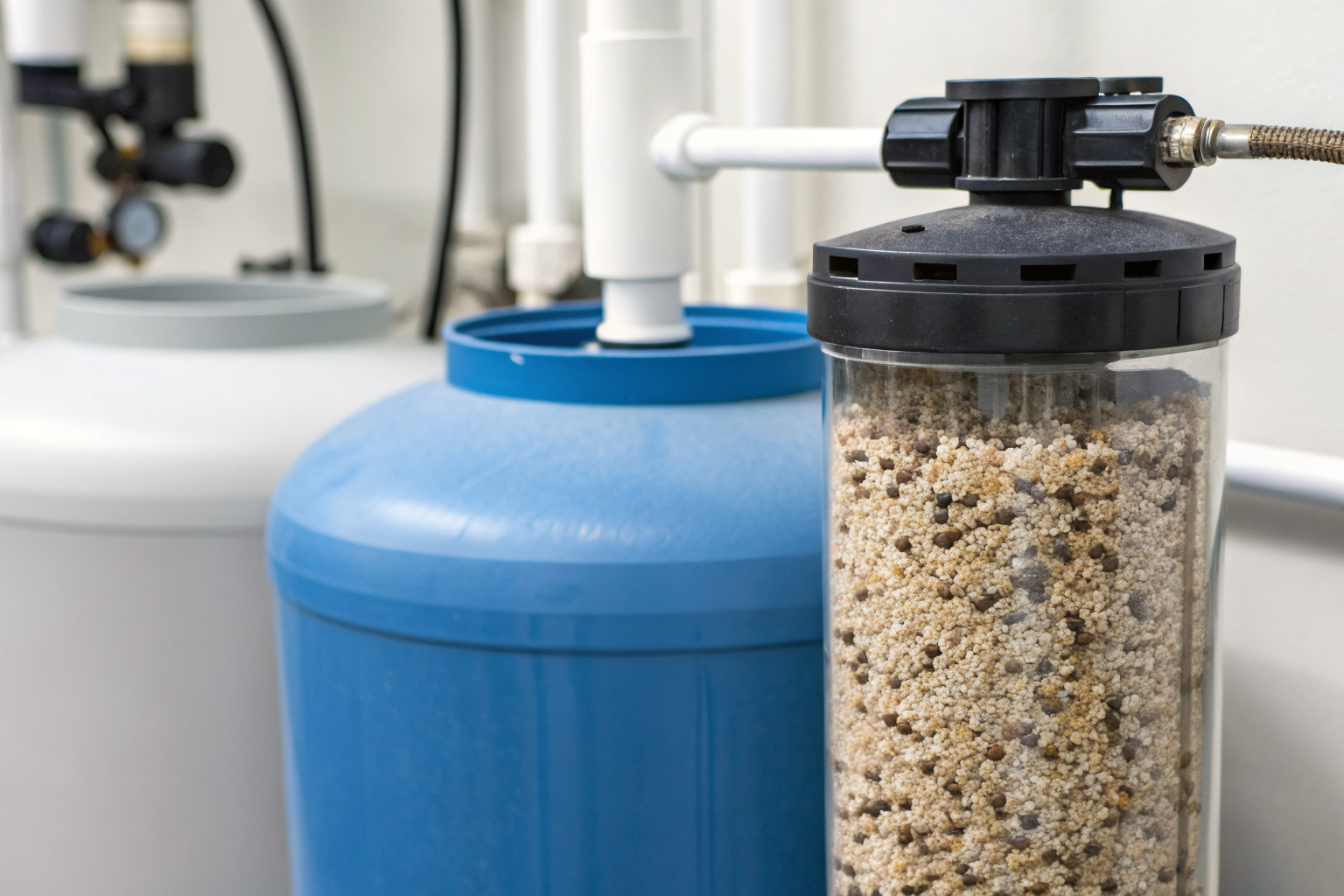
A water softener is an ion exchange system that replaces calcium and magnesium ions with sodium or potassium ions. This means the unit only addresses dissolved minerals that create hardness scale, nothing else.
The resin beads inside the softener tank attract positively charged hardness minerals and release sodium ions in return. Each grain of capacity removes 17.1 ppm of hardness through this ion exchange process. When the resin becomes saturated with calcium and magnesium, the system regenerates with salt brine to flush the minerals down the drain and recharge the beads with sodium.
That’s the complete list of what softeners remove. They cannot eliminate bacteria, viruses, chemicals, heavy metals, or dissolved gases because these contaminants either carry different charges or exist as neutral molecules that pass right through the resin bed.
Salespeople who claim softeners solve multiple well water problems are selling you the wrong equipment. The ion exchange process is specific to hardness minerals, period.
Can Water Softeners Remove Iron from Well Water?
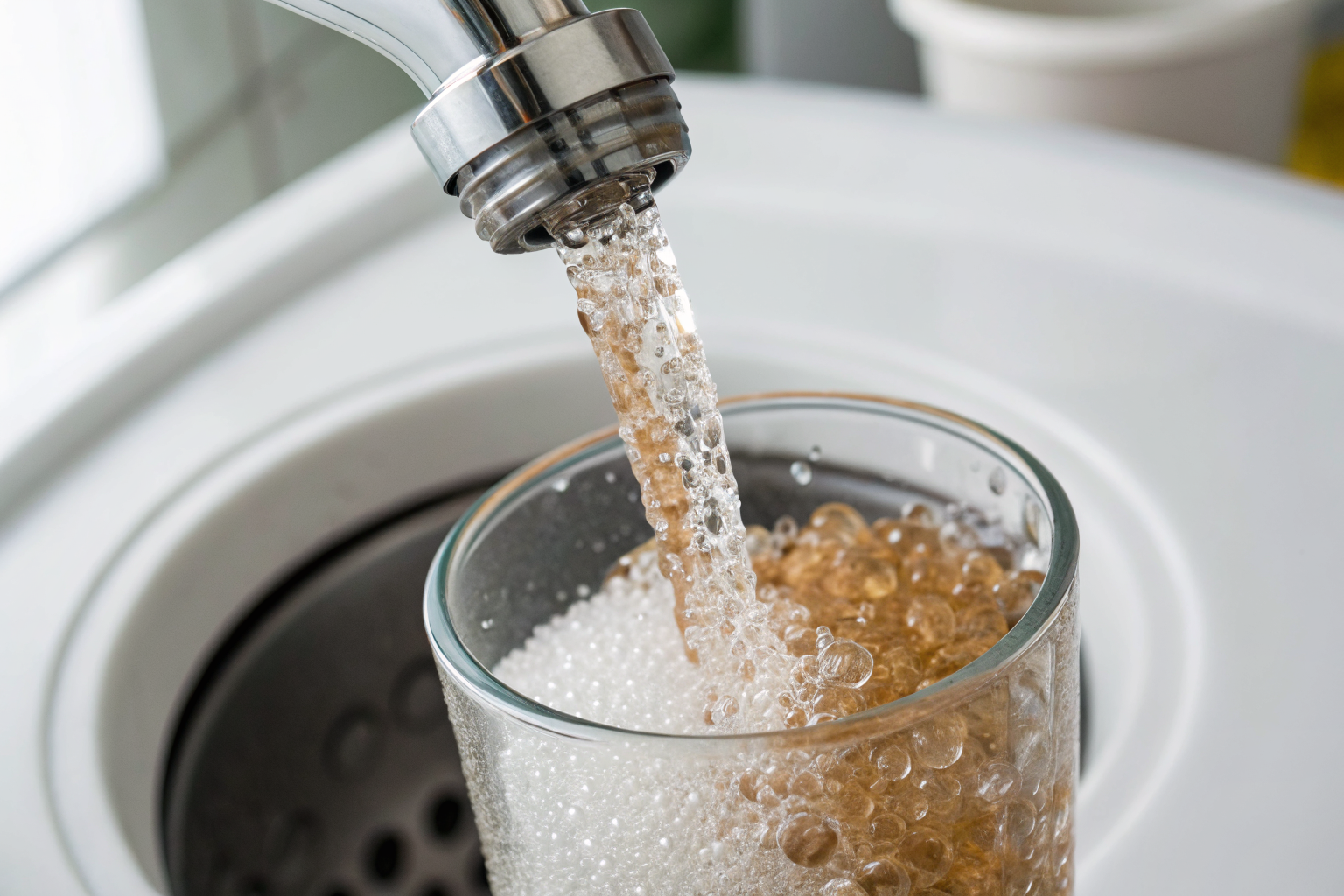
Water softeners can only handle clear-water ferrous iron below 0.3 ppm. Above that concentration, iron overwhelms the resin and creates permanent damage.
| Iron Type | Softener Performance | Why It Fails |
|---|---|---|
| Ferrous (clear water) | Works below 0.3 ppm | Fouls resin above limit |
| Ferric (red water) | Cannot remove | Particles clog system |
| Iron bacteria | Damages equipment | Creates biofilm colonies |
| Organic iron | No removal | Wrong molecular structure |
Ferrous iron exists as dissolved Fe²⁺ ions that the resin can exchange for sodium, but only in trace amounts. When ferric iron exceeds 0.3 ppm concentration, it oxidizes on contact with air and forms rust particles that coat the resin beads. This creates permanent fouling that no amount of regeneration can fix.
Iron bacteria present the worst scenario. These microorganisms feed on dissolved iron and create thick biofilm colonies throughout the resin tank. Once established, iron bacteria contaminate every drop of water passing through the softener and spread throughout your plumbing system.
Dedicated oxidation filtration systems handle iron loads that destroy softener resin. These units oxidize ferrous iron to ferric particles, then filter them out mechanically, the opposite approach from ion exchange.
What Well Water Problems Can’t Water Softeners Fix?
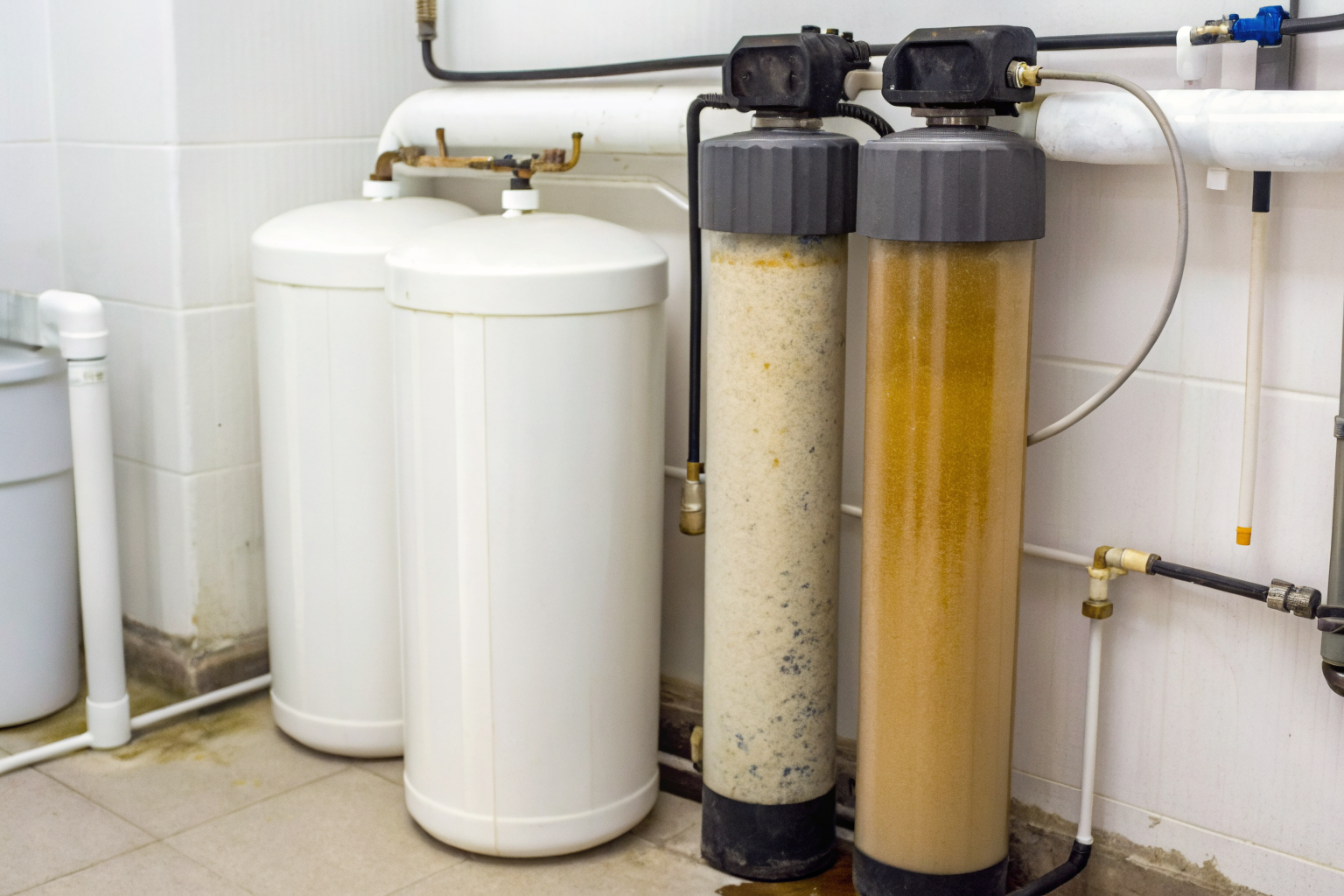
Softeners cannot remove bacteria, chemicals, and aesthetic contaminants because ion exchange only works on specific dissolved minerals:
Bacteria and viruses, These microorganisms colonize the warm, moist resin environment and multiply throughout the system, creating permanent contamination sources.
Chemical contaminants, Arsenic, PFAS, nitrate, and pesticides pass through unchanged because they carry wrong charges or exist as neutral molecules that resin cannot capture.
Hydrogen sulfide gas, The rotten egg smell requires oxidation treatment or hydrogen sulfide treatment systems that convert gas to particles for filtration removal.
pH problems, Acidic water below 7.0 needs pH correction systems with calcite or soda ash injection, not ion exchange that adds more sodium to already corrosive water.
Chlorine taste and odor, Municipal disinfection byproducts need carbon filtration, not hardness removal that leaves chemical tastes unchanged.
Softeners cannot address hydrogen sulfide above trace levels or pH below 7.0 because these problems require completely different treatment chemistry. Installing the wrong equipment wastes money and leaves water problems unsolved.
Salt vs Potassium Chloride: Which Regenerant Should You Choose?
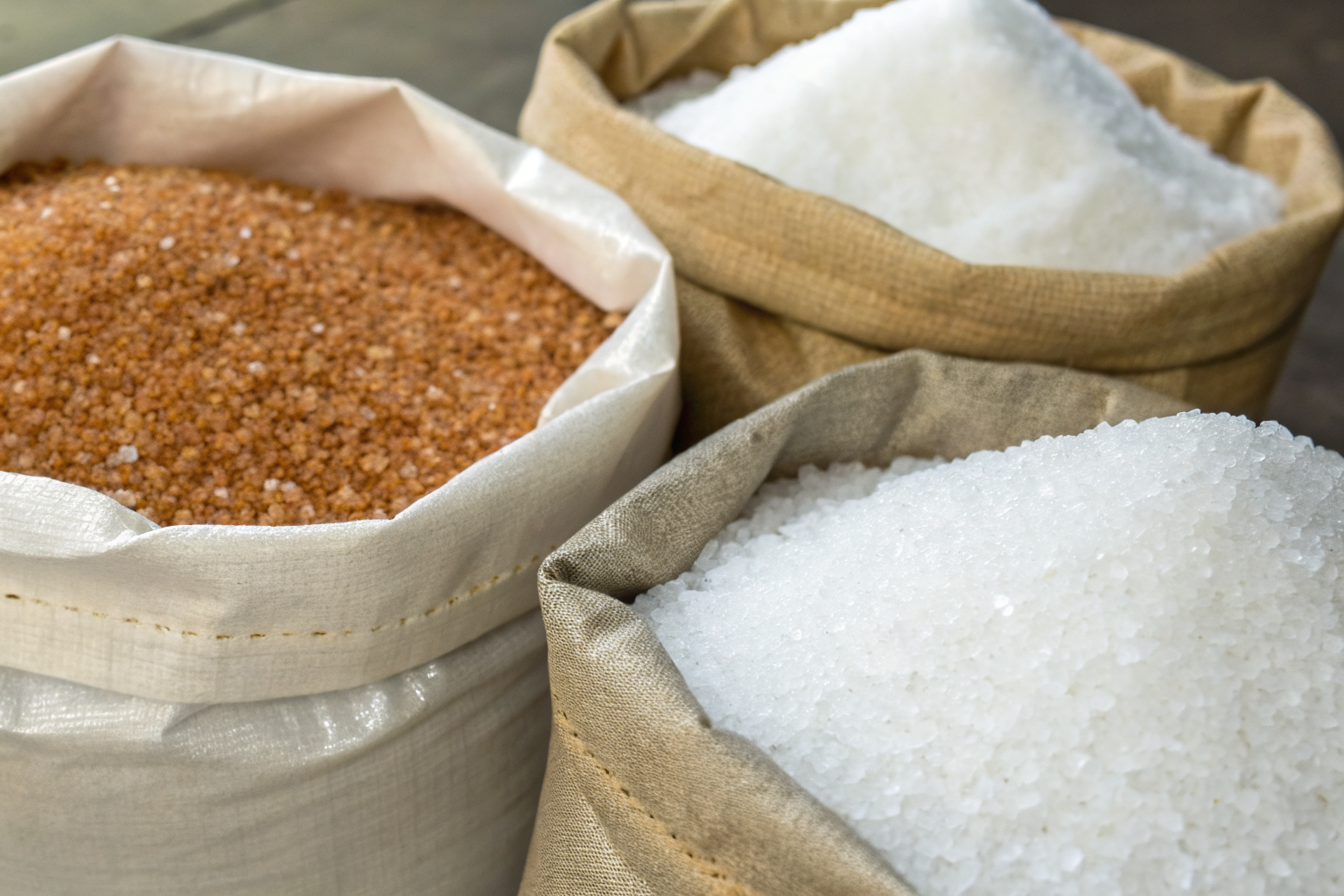
Salt costs 3-4 times less than potassium chloride but adds sodium to your water supply.
| Feature | Sodium Chloride (Salt) | Potassium Chloride | Sodium Concerns |
|---|---|---|---|
| Cost per 40lb bag | $6-8 | $25-35 | Adds 8mg/L per grain removed |
| Regeneration efficiency | 95% capacity recovery | 85% capacity recovery | Safe for most people |
| Maintenance frequency | Standard schedule | 15% more frequent | Avoid on sodium-restricted diets |
Salt delivers superior regeneration efficiency and costs far less than potassium alternatives. The efficiency difference means potassium systems need more frequent regeneration cycles, increasing both chemical costs and water waste.
Sodium concerns are often overblown. A properly sized softener adds roughly 8 milligrams of sodium per liter for each grain of hardness removed. For 10-grain hardness water, that’s 80mg/L, less sodium than most bottled water brands.
Potassium chloride costs $25-35 per 40lb bag versus $6-8 for salt, making annual regeneration costs 300-400% higher. Choose potassium only if you’re on physician-ordered sodium restriction diets.
How Do You Size a Water Softener for Well Water?
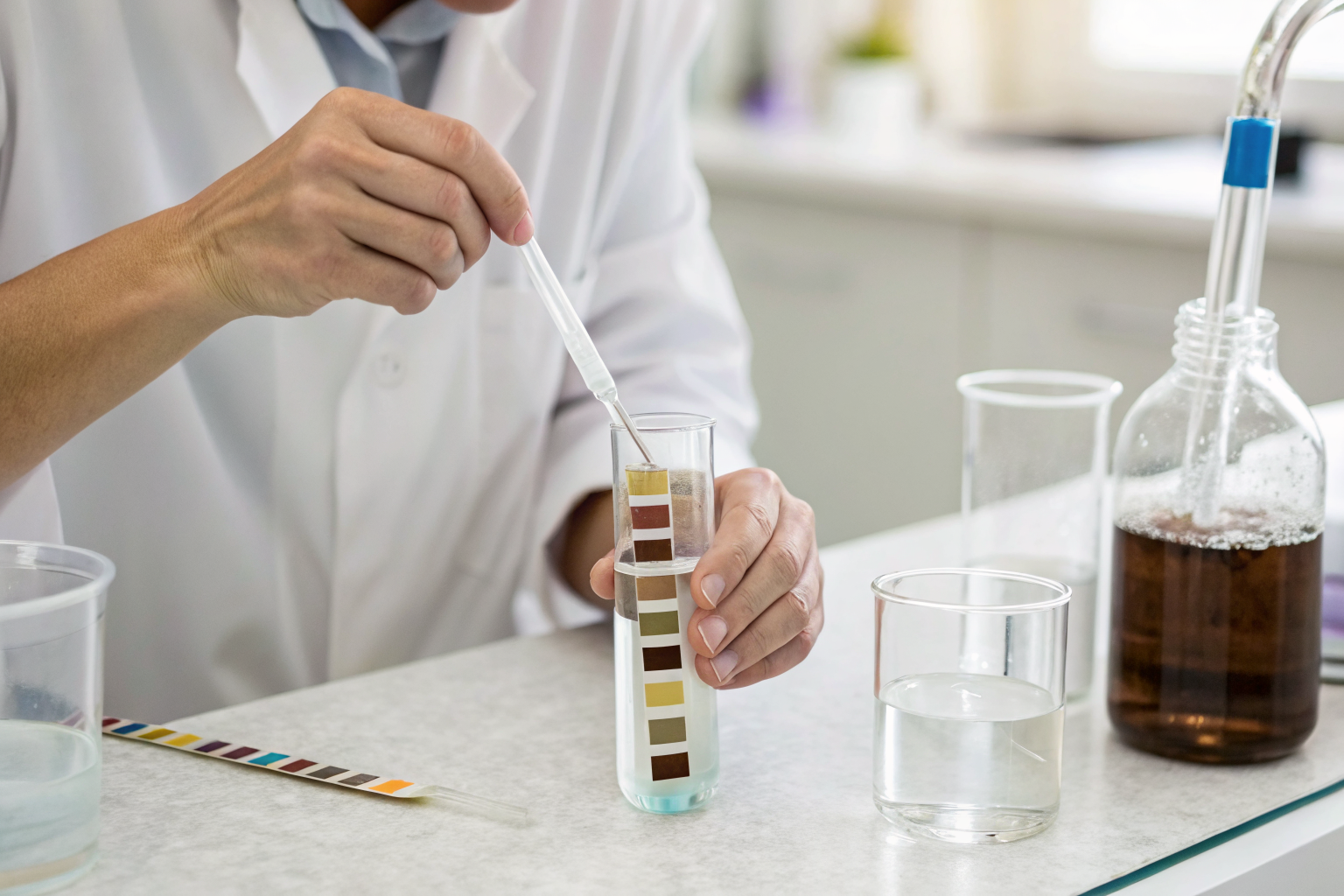
Treatment system sizing requires hardness level and daily water usage calculations to determine proper capacity:
Test your water hardness using a certified lab or reliable test strips to get accurate grain measurements, guessing leads to undersized equipment that regenerates constantly.
Calculate daily hardness removal by multiplying your household’s water usage (average 80-100 gallons per person daily) by the hardness level in grains per gallon.
Size for 7-14 day regeneration cycles by choosing capacity that handles your daily hardness load times desired days between regeneration, longer cycles mean more efficient operation.
Account for peak flow rates by ensuring the softener can deliver adequate gallons per minute during high-demand periods like morning showers and laundry.
Add 25% safety margin to handle water usage spikes, seasonal hardness variations, and equipment aging that reduces efficiency over time.
Most residential units range from 24,000 to 64,000 grain capacity. A family of four with 15-grain hardness typically needs 40,000-48,000 grain capacity for optimal 10-day regeneration cycles.
Do You Actually Need a Water Softener for Your Well Water?
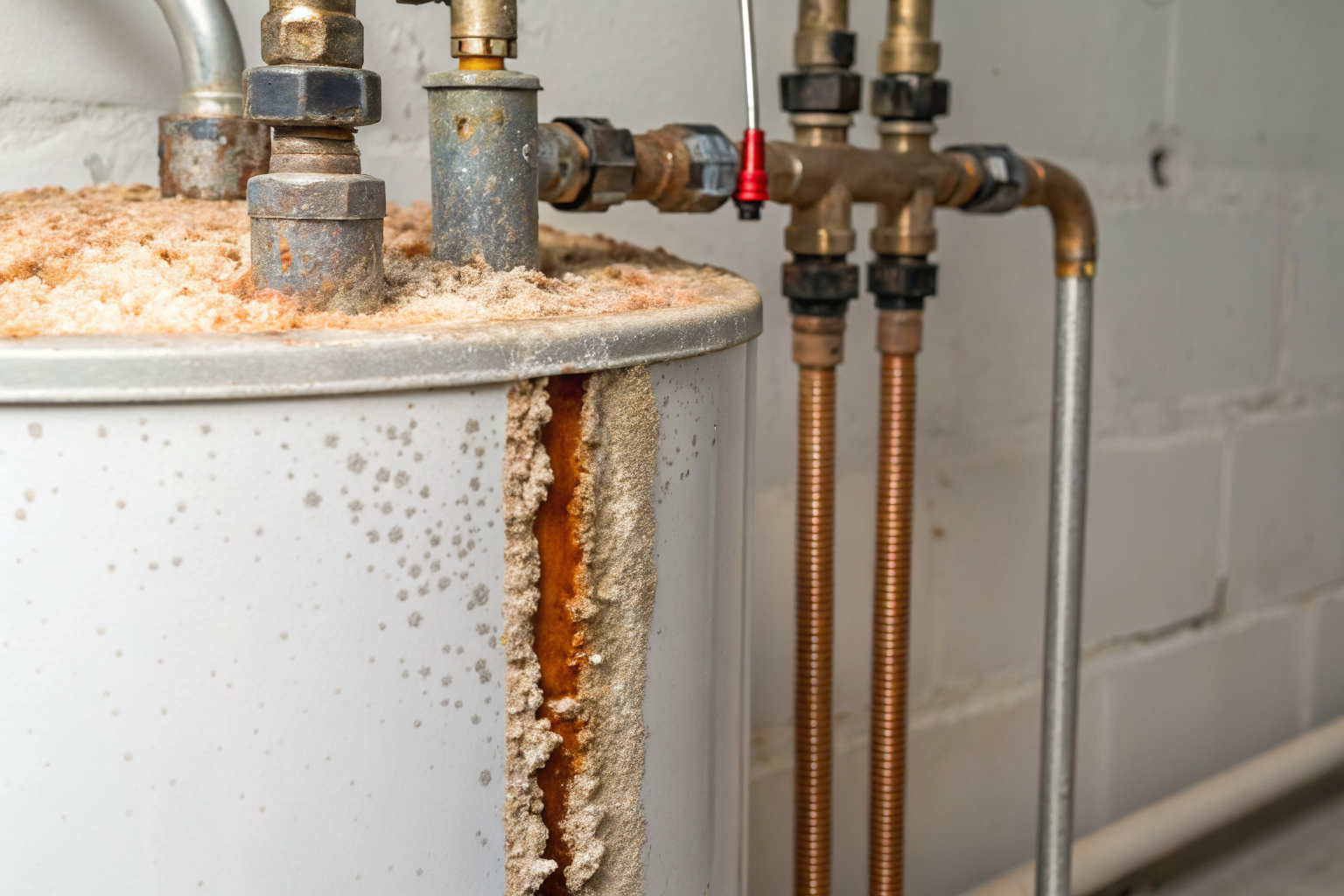
Hard water scale prevention justifies softener installation above 7 grains hardness, where mineral deposits create measurable equipment damage and efficiency loss.
Water above 7 grains hardness reduces water heater efficiency by 15-20% annually as scale buildup insulates heating elements and restricts flow. The energy cost increase often exceeds softener operating expenses within 2-3 years.
Soap and detergent efficiency drops dramatically in hard water, requiring 50-75% more cleaning products to achieve the same results. Softened water lathers easily and rinses clean, reducing household chemical costs.
Appliance manufacturers void warranties on dishwashers, washing machines, and tankless water heaters damaged by hard water scale. Replacement costs far exceed softener installation when equipment fails prematurely.
Below 7 grains, hardness creates minimal scale problems and softener costs outweigh benefits for most households. Between 7-15 grains, softening provides clear economic returns. Above 15 grains, softeners become essential to protect plumbing and appliances.
Frequently Asked Questions
Will a water softener remove the rotten egg smell from my well water?
Water softeners cannot remove hydrogen sulfide gas that causes rotten egg odors. The ion exchange process only affects dissolved minerals, not gases that create sulfur smells. You need oxidation filtration or hydrogen peroxide treatment to eliminate hydrogen sulfide from well water.
Can I use a water softener if my well water has bacteria?
Never install a water softener on contaminated well water without disinfection first. Bacteria colonize the warm, moist resin environment and multiply throughout the tank, creating a permanent contamination source that spreads to your entire plumbing system. Disinfect with UV treatment or chlorination before softening.
How often do I need to add salt to my well water softener?
Most well water softeners require salt refills every 7-14 days depending on water hardness and household usage. Check your brine tank weekly and refill when salt drops to 6 inches above the water level to maintain proper regeneration cycles.