
Sulfur in well water treatment gets complicated when you add hard water scale and low pH corrosion to the mix. Your well water tastes like metal, smells like rotten eggs, and leaves crusty white buildup on everything, but none of these problems will kill you, which is why they’re called aesthetic contaminants.
Key Takeaways:
- Aesthetic contaminants (hardness, sulfur smell, low pH) won’t harm your health but cost thousands in appliance damage and plumbing repairs
- Water softeners only remove hardness, they cannot fix sulfur smell, iron staining, or low pH corrosion problems
- Treatment system order matters: pH correction first, then oxidation filtration, then softening, wrong sequence wastes money
What Makes These Problems Aesthetic Instead of Dangerous?
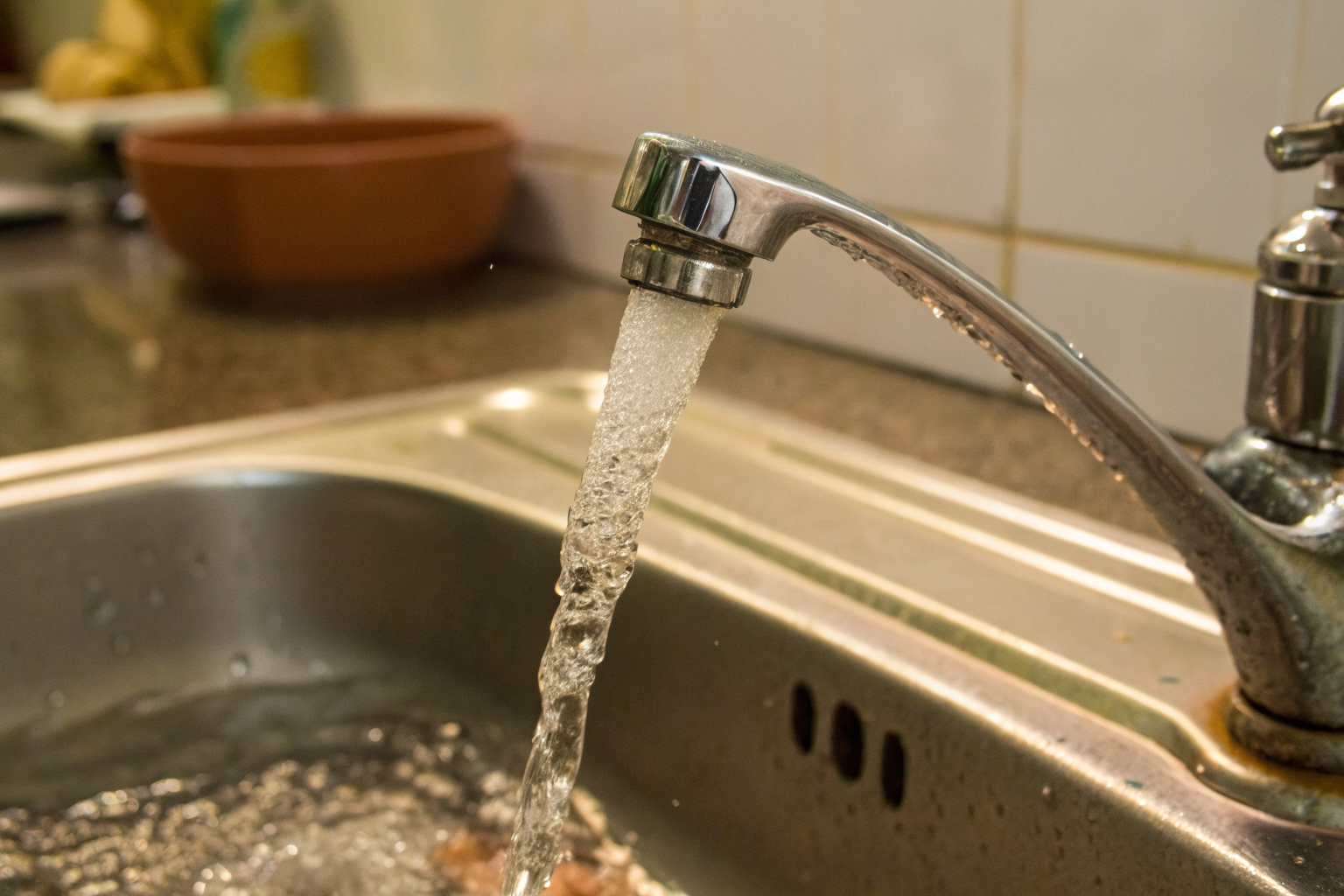
Aesthetic contaminants are substances that affect water’s taste, odor, color, or physical properties without posing immediate health risks. This means they cause property damage and quality-of-life problems, but the EPA doesn’t consider them urgent public health threats requiring immediate action.
The distinction matters for your wallet and your priorities. EPA primary Maximum Contaminant Levels (MCLs) set mandatory health-based limits for contaminants like arsenic, nitrate, and bacteria, substances that can make you sick with short-term exposure. EPA secondary standards apply to taste, odor, and appearance, not health. These secondary standards are recommendations, not requirements, because the agency assumes people will notice and address aesthetic problems before they cause serious harm.
Hard water above 7 grains per gallon creates scale deposits that reduce water heater efficiency by 20% and clog fixtures. Hydrogen sulfide produces that distinctive rotten egg smell when concentrations exceed 0.05 mg/L. Low pH below 6.5 turns water acidic enough to corrode copper pipes and dissolve lead from plumbing joints.
But aesthetic contaminants cause property damage that adds up fast. A corroded copper pipe replacement runs $3,000-$8,000. Scale buildup shortens appliance life by 30-50%. The “aesthetic” label means you won’t die from these contaminants, not that they won’t cost you thousands in repairs if left untreated.
Where Do Hard Water, Sulfur Smell, and Low pH Come From?
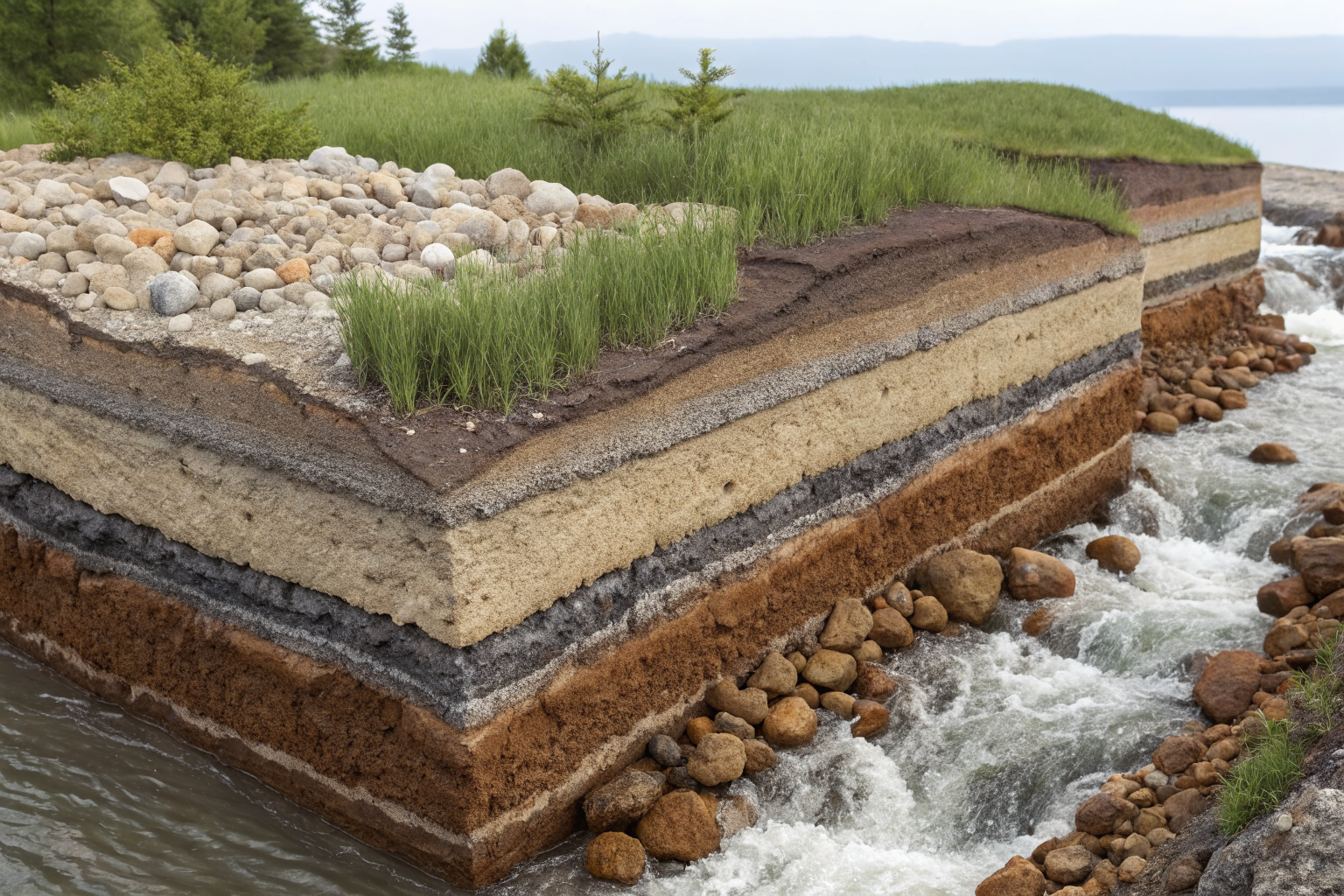
Geological conditions determine which aesthetic problems show up in your well water. Underground water chemistry reflects the rock and soil layers your aquifer passes through, creating predictable regional patterns.
| Contaminant | Primary Source | Geological Indicator | Typical Symptoms |
|---|---|---|---|
| Hardness (Ca/Mg) | Limestone, dolomite, gypsum dissolution | Sedimentary rock regions | White scale, soap scum, spotting |
| Hydrogen Sulfide | Sulfate-reducing bacteria, organic decay | Anaerobic groundwater conditions | Rotten egg smell, black staining |
| Low pH | Granite bedrock, organic acids, acid rain | Igneous rock, forested watersheds | Blue-green fixture stains, metallic taste |
| Iron (aesthetic) | Iron-bearing minerals, bacteria | Sandstone, shale formations | Red staining, metallic taste |
Hardness develops when groundwater dissolves calcium and magnesium from limestone, dolomite, or gypsum deposits. Areas with sedimentary geology, the Midwest, parts of Texas, Florida’s limestone aquifer, commonly produce hard water between 10-25 grains per gallon.
Hydrogen sulfide forms through two different pathways. Sulfate-reducing bacteria in oxygen-poor aquifers convert naturally occurring sulfates into hydrogen sulfide gas. This biological process happens in deeper wells or areas with organic contamination. Chemical hydrogen sulfide also forms when acidic water reacts with sulfur-bearing minerals in certain rock formations.
Low pH results from carbon dioxide dissolution, organic acid production, or contact with granite and other igneous rocks that don’t buffer acidity. Mountain regions, areas with granite bedrock, and watersheds with heavy forest cover commonly produce acidic water with pH between 5.5-6.5.
Hardness above 7 grains per gallon causes scale buildup that reduces appliance efficiency by 15-20%. The scale acts as insulation, forcing water heaters to work harder and shortening their operating life.
What Damage Do These Problems Actually Cause?
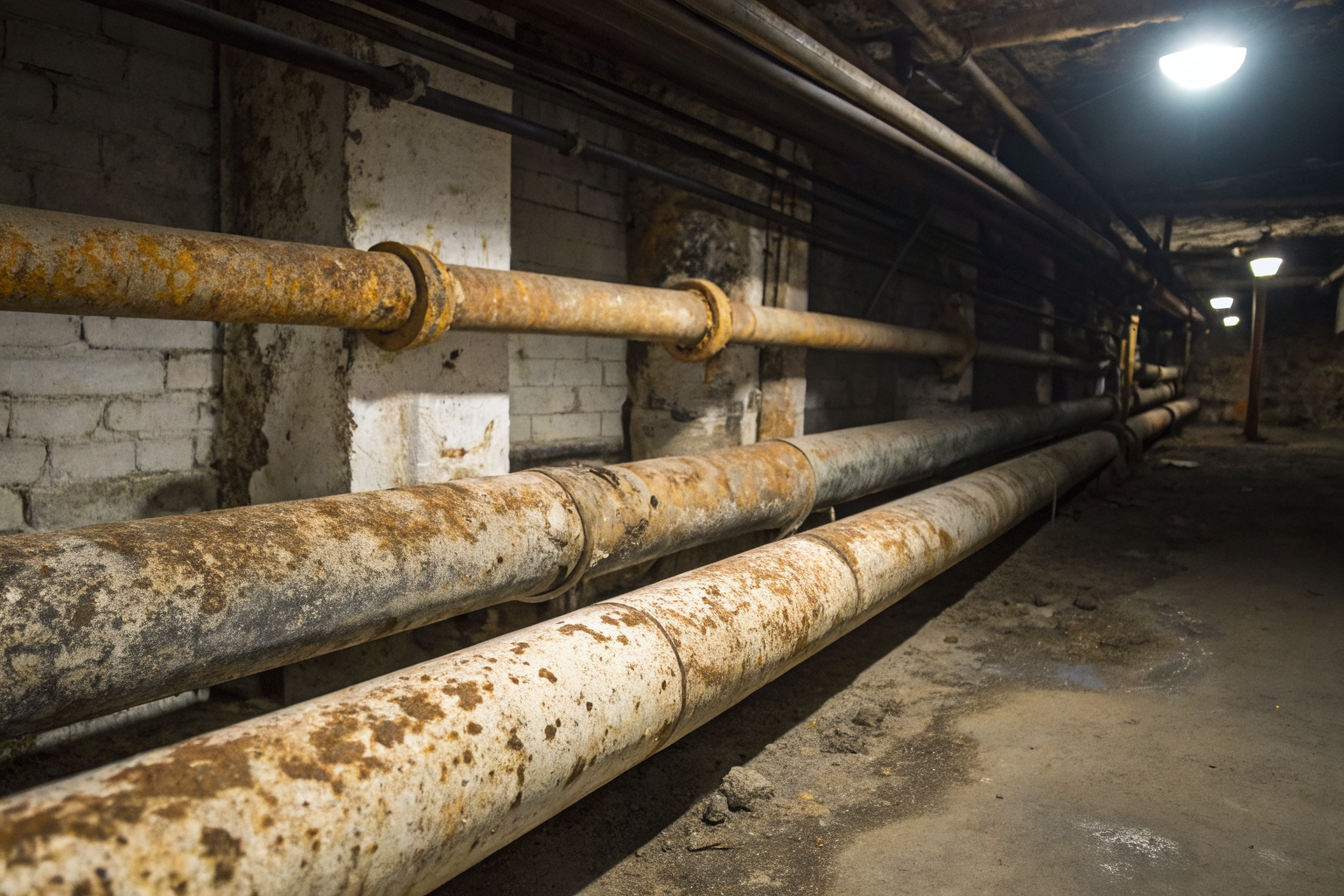
Aesthetic contaminants cause specific types of property damage that compound over time. The economic impact justifies treatment even when health risks don’t exist.
Here’s what each problem costs you:
Hard water scale blocks pipes and reduces appliance efficiency. Scale buildup in water heaters creates insulating layers that force the heating element to work 20-30% harder. Tankless units fail completely when scale blocks the heat exchanger. Dishwashers and washing machines use more detergent and leave spots on dishes and laundry.
Hydrogen sulfide gas creates social embarrassment and property devaluation. The rotten egg smell permeates clothing, linens, and hair during showers. Guests notice immediately. Real estate agents report sulfur smell as a major showing deterrent that can reduce home values.
Low pH water corrodes metal pipes, fixtures, and appliances. Acidic water dissolves copper from pipes, creating blue-green stains on sinks and showers. Corrosion weakens pipe joints, leading to leaks. Lead solder in older homes dissolves into the water supply when pH drops below 7.0.
Iron staining ruins clothing, fixtures, and appliances. Even aesthetic levels of iron (above 0.3 mg/L) leave orange-red stains that are permanent once set. Washing machines with iron-stained water ruin entire loads of white clothing.
Low pH water below 6.5 can corrode copper pipes, causing $3,000-$8,000 in repiping costs. The damage happens gradually over 5-15 years, but once it starts, replacement becomes the only fix.
How Do You Match Treatment Technology to Your Specific Problem?
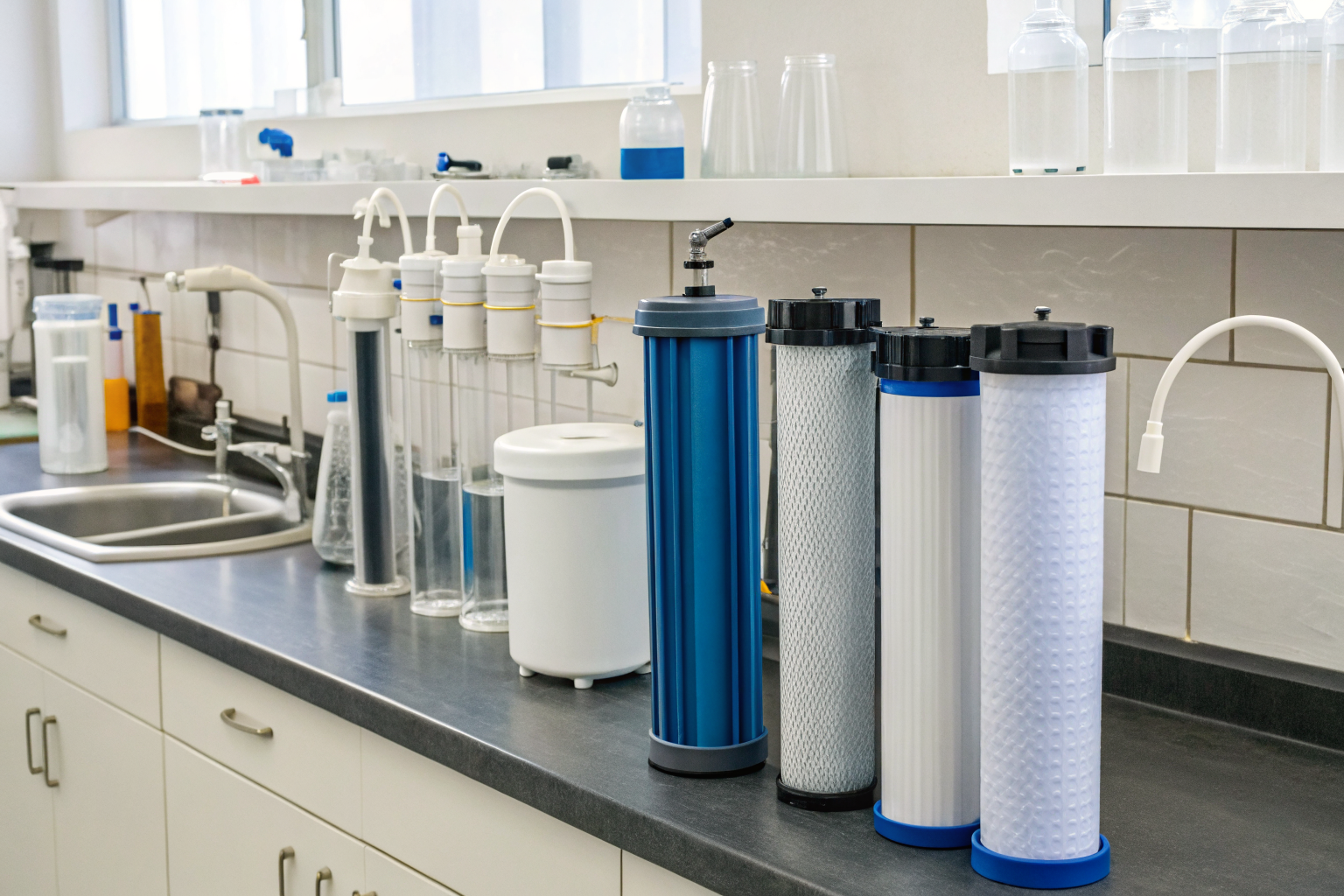
Water chemistry conditions determine which treatment technology will work for your specific situation. Generic advice like “just buy a water softener” fails because each technology has pH requirements, flow rate limits, and contaminant ranges where it functions properly.
| Treatment Type | Removes | pH Requirement | Flow Rate Limit | Best For |
|---|---|---|---|---|
| Water Softener | Hardness (Ca/Mg) only | 6.5-8.5 | 10-25 GPM | Hard water without iron or sulfur |
| Oxidation Filter | Iron, sulfur, manganese | 6.8+ required | 8-15 GPM | Iron/sulfur with adequate pH |
| Acid Neutralizer | Raises pH | Any starting pH | 10-20 GPM | Low pH wells before other treatment |
| Chemical Injection | Iron, sulfur at any pH | Any pH | 5-12 GPM | Severe contamination, low pH wells |
| Combination Systems | Multiple contaminants | Varies by stage | 8-12 GPM | Multiple aesthetic problems |
The key insight most guides miss: pH determines everything else. Iron filter media like birm, greensand, and filox require pH above 6.8 to function. Water softeners work best between pH 6.5-8.5. If your well tests below pH 6.5, you need acid neutralization first, regardless of other contaminants.
Treatment system sizing depends on peak demand, not just flow rate. A family of four needs 10-12 GPM peak flow capacity, but aesthetic treatment systems often reduce this to 8-10 GPM. Size the system for your actual usage patterns, multiple showers, dishwasher, and washing machine running simultaneously.
Chemical injection works at any pH level but requires ongoing maintenance and chemical costs. Oxidation media filters need periodic backwashing and media replacement every 3-5 years. Water softeners need salt additions but last 15-20 years with proper maintenance.
Iron filter media requires pH above 6.8 to function, low pH wells need acid neutralization first. Installing systems in the wrong order wastes money and reduces effectiveness.
What’s the Correct Treatment System Installation Sequence?
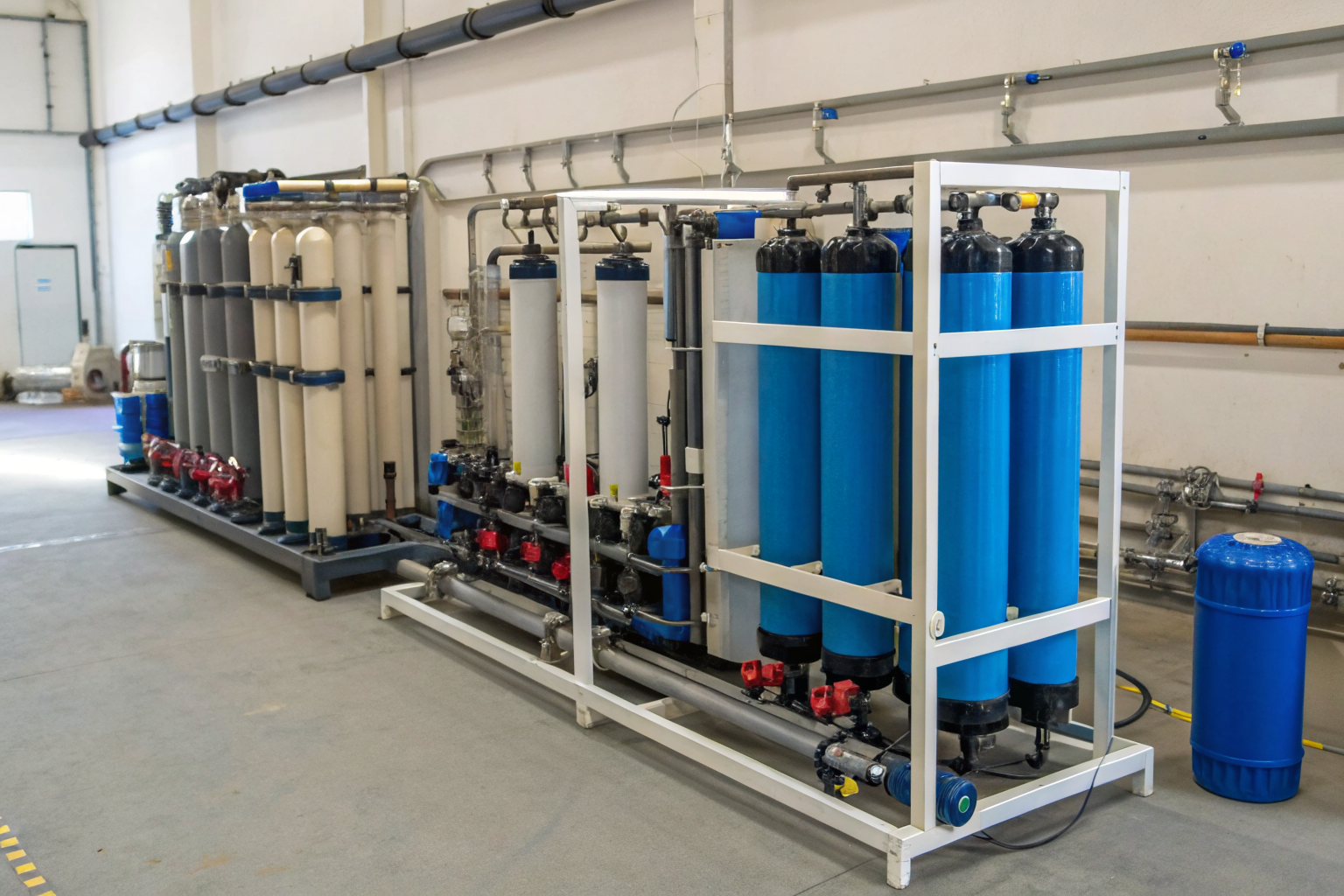
Treatment installation order determines system effectiveness and longevity. Wrong sequence leads to premature failure, reduced performance, and wasted money on equipment that can’t function properly.
Follow this installation sequence for multiple aesthetic problems:
Install pH correction first if well water tests below 6.5 pH. Acid neutralizers use calcite or magnesium oxide to raise pH to 7.0-7.5 range. This step is mandatory before any other aesthetic treatment because low pH prevents iron filters and softeners from working properly.
Add oxidation filtration second to handle iron, sulfur, and manganese. Birm, greensand, or filox media require the higher pH from step one. Install upstream of the water softener to prevent iron fouling of the resin bed. Size for 8-12 GPM depending on household demand.
Install water softener last to remove hardness without interference. Softeners work best when receiving water already treated for pH, iron, and sulfur. The resin bed lasts longer and regenerates more efficiently when not dealing with multiple contaminants simultaneously.
Install bypass valves on each system for maintenance access. Each treatment stage needs isolation valves to allow servicing without shutting off water to the entire house. Install pressure gauges before and after each system to monitor performance.
Size the complete system for peak household demand of 10-12 GPM minimum. Multiple treatment stages reduce flow rate. Calculate pressure drop across the entire system and install a booster pump if needed to maintain adequate pressure at fixtures.
Whole house flow rate of 10-12 GPM minimum required for family of four with multiple aesthetic treatment systems. Undersized systems create pressure drops that affect shower performance and appliance filling times.
How Much Does Aesthetic Well Water Treatment Actually Cost?

Treatment system costs vary significantly based on the complexity of your water chemistry and the number of systems required. Single-problem solutions cost less than multi-stage treatment, but most wells with aesthetic problems need at least two systems.
| System Type | Equipment Cost | Installation Cost | Annual Maintenance | 10-Year Total |
|---|---|---|---|---|
| Water Softener Only | $800-$2,500 | $300-$800 | $60-$120 | $1,700-$4,500 |
| pH + Softener | $1,800-$4,200 | $600-$1,200 | $100-$180 | $2,800-$7,200 |
| Iron Filter + Softener | $2,200-$4,800 | $700-$1,400 | $150-$250 | $3,400-$8,700 |
| Complete System (pH + Iron + Softener) | $3,500-$6,500 | $800-$1,500 | $200-$350 | $5,300-$10,500 |
| Chemical Injection System | $2,800-$5,200 | $900-$1,600 | $400-$600 | $6,700-$12,200 |
Equipment costs depend on capacity, brand, and control valve sophistication. Basic mechanical systems cost less but require more manual maintenance. Digital control valves add $300-$800 but provide better performance monitoring and regeneration efficiency.
Installation complexity drives labor costs. Simple softener installation in an existing utility room runs $300-$500. Multi-stage systems with electrical work, drain connections, and bypass plumbing can reach $1,500-$2,000 in labor.
Maintenance costs include media replacement, chemical refills, and annual service calls. Water softeners need salt ($60-$120 annually). Iron filters need media replacement every 3-5 years ($200-$400). Chemical injection systems consume $300-$600 in chemicals annually.
DIY installation saves 30-50% on labor but voids equipment warranties and may violate local plumbing codes. Most manufacturers require professional installation to honor warranty coverage.
Complete aesthetic treatment (pH correction + iron filter + water softener) ranges $3,500-$7,500 installed depending on capacity and complexity. This investment prevents thousands in appliance replacement and plumbing repairs over the system’s 15-20 year lifespan.
Frequently Asked Questions
Can a water softener remove sulfur smell from well water?
No, water softeners cannot remove hydrogen sulfide gas that causes sulfur smell. Softeners only remove hardness minerals like calcium and magnesium through ion exchange. Sulfur smell requires oxidation filtration or chemical injection treatment.
Do I need to fix aesthetic water problems if they don’t affect my health?
While aesthetic problems won’t harm your health, they cause expensive property damage over time. Hard water reduces appliance efficiency and causes scale buildup, while low pH corrodes pipes and fixtures, leading to thousands in repair costs.
What happens if I install treatment systems in the wrong order?
Wrong installation order wastes money and reduces effectiveness. For example, iron filters won’t work properly if installed before pH correction, and water softeners can be damaged by high iron levels if oxidation filtration isn’t installed first.
How do I know which aesthetic problems I actually have?
Test your water for hardness, pH, hydrogen sulfide, and iron levels. Visual clues include white scale buildup (hardness), rotten egg smell (hydrogen sulfide), and blue-green stains on fixtures (low pH corrosion).