
Well water testing for PFAS is becoming critical as these forever chemicals spread through groundwater nationwide. Unlike iron or bacteria, you can’t taste, smell, or see PFAS contamination until it’s already in your family’s system.
Key Takeaways:
• PFAS testing costs $300-600 per sample, 10x more than basic well water testing, because it requires specialized EPA Method 533
• Only 15% of state-certified labs can perform PFAS analysis using EPA-approved methods for drinking water
• Living within 3 miles of airports, military bases, or firefighting training facilities increases PFAS contamination risk by 340%
Why PFAS Testing Is Different for Private Well Owners

PFAS are per- and polyfluoroalkyl substances, synthetic chemicals that persist in the environment and human body indefinitely. This means standard well water quality testing protocols miss PFAS entirely because they use different detection methods than what PFAS requires.
Private well owners face a regulatory gap that public water system customers don’t. The EPA set PFOA and PFOS Maximum Contaminant Levels at 4 parts per trillion in 2024, but this only applies to public water systems. Your well has zero federal oversight for PFAS monitoring or treatment requirements.
Contaminant detection for PFAS demands specialized laboratory equipment and sample handling that most state-certified laboratories don’t offer. The testing methods that catch bacteria, nitrates, or arsenic in your well water simply can’t detect PFAS compounds at the parts-per-trillion levels where health risks begin.
Regular well water testing covers maybe 20-30 common contaminants. PFAS testing targets specific forever chemicals using completely different analytical processes. You need both, your annual well water testing plus separate PFAS analysis if risk factors apply to your location.
Which EPA Testing Methods Actually Detect PFAS in Well Water?
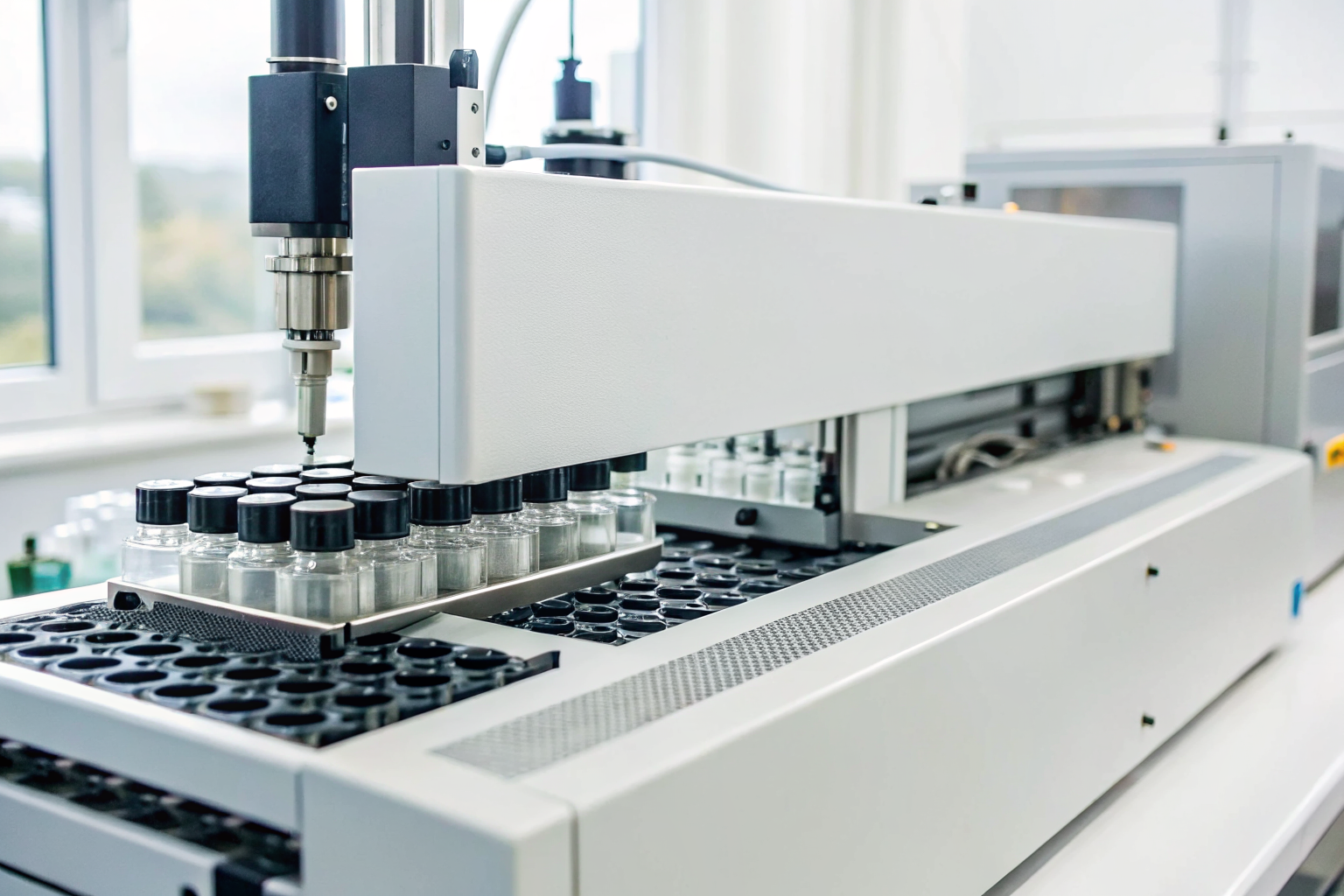
EPA Method 533 detects 25 PFAS compounds in drinking water samples using liquid chromatography-tandem mass spectrometry. This became the gold standard for private well PFAS testing in 2024 because it catches more compounds at lower detection limits than older methods.
| Testing Method | PFAS Compounds Detected | Detection Limit | Best For |
|---|---|---|---|
| EPA Method 533 | 25 compounds | 2-4 ppt | Current private well testing |
| EPA Method 537.1 | 18 compounds | 5-10 ppt | Legacy testing, less sensitive |
| EPA Method 1633 | 40+ compounds | Variable | Research, not drinking water |
State-certified laboratories must use Method 533 for regulatory compliance with the new PFAS MCLs. Method 537.1 was the previous standard but misses seven important PFAS compounds and has higher detection limits that can show “non-detect” results even when contamination exists above health thresholds.
Contaminant-specific test methods matter because PFAS chemistry differs from traditional water contaminants. These forever chemicals require specific sample preservation, specialized analytical columns, and isotope-labeled internal standards that standard water testing labs don’t maintain.
Method 533 costs more because it requires expensive equipment maintenance, specialized training, and longer analysis times. But it’s the only EPA-approved method that reliably detects PFAS at the 4 parts per trillion MCL that triggers health warnings.
Should You Test for PFAS Based on Your Location Risk?
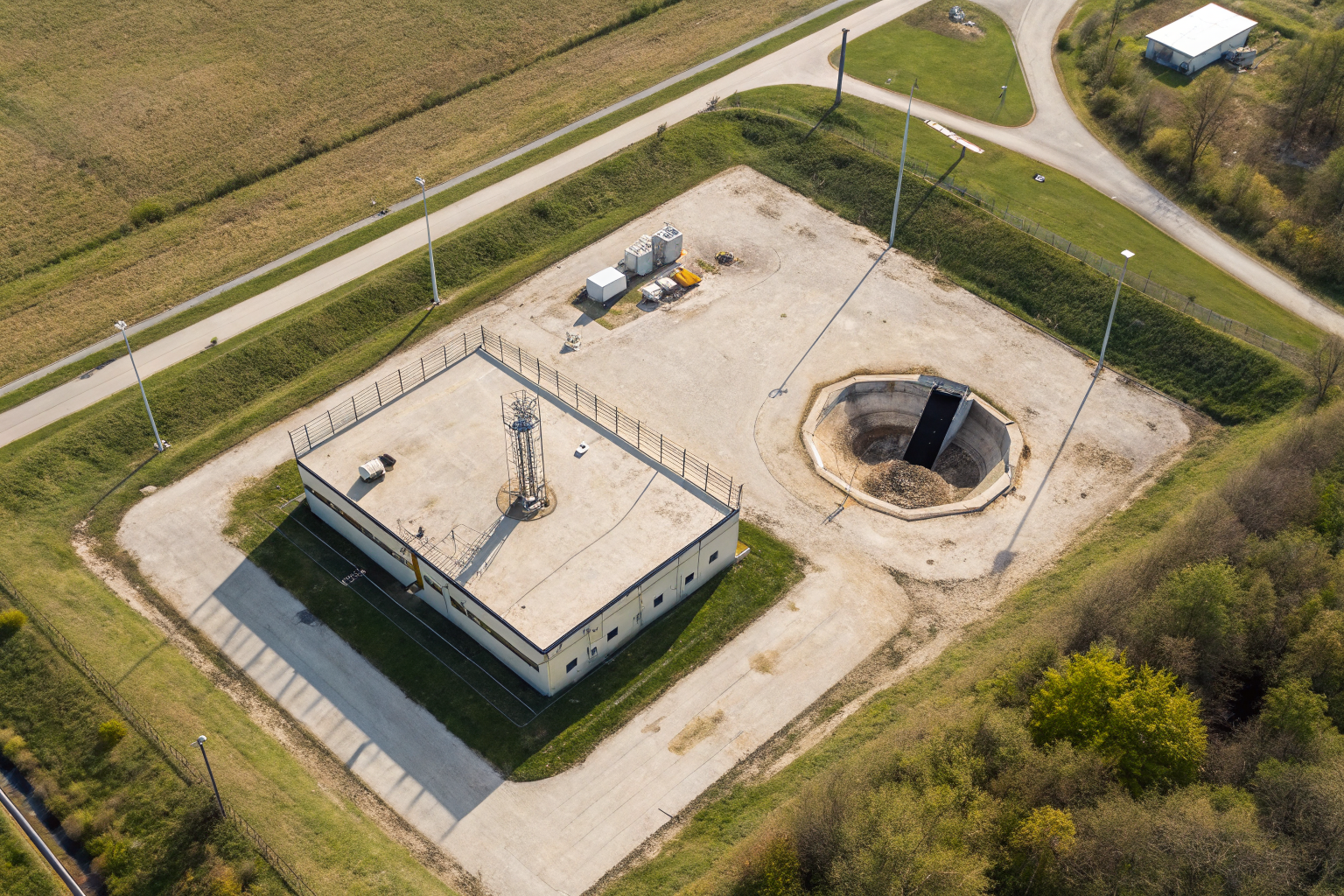
Risk proximity assessment determines PFAS testing priority based on known contamination sources near your well. Wells within 3 miles of military bases show PFAS detection rates above 75% because firefighting foam used in training contains high PFAS concentrations.
Follow these steps to assess your PFAS testing priority:
- Map your distance from airports, military installations, and firefighting training facilities using online tools or county GIS systems.
- Check the EWG PFAS contamination database for known detections in your watershed or neighboring public water systems.
- Identify industrial facilities within 5 miles that manufacture textiles, electronics, or chemical products where PFAS are production byproducts.
- Review your property history for landfills, wastewater treatment plants, or industrial sites that operated before PFAS regulations.
Regional contamination patterns show PFAS migrate through groundwater from point sources to private wells over decades. The contamination doesn’t stay put, it spreads through aquifer flow paths that can extend miles from the original source.
Test annually if you’re within the high-risk proximity zones. Test every 3-5 years if you’re in moderate-risk areas with no obvious PFAS sources nearby. Skip PFAS testing only if you’re in rural areas with no industrial history and no military or aviation facilities within 10 miles.
What Do PFAS Test Results Actually Mean for Well Owners?

PFAS MCL thresholds determine health risk classification using EPA’s 2024 drinking water standards. PFOA and PFOS each have individual MCLs of 4 parts per trillion, the lowest regulatory limit ever set for drinking water contaminants.
Contaminant health risk from PFAS develops through cumulative exposure over years, not single incidents. When your lab report shows PFOA at 6 parts per trillion, this exceeds the Maximum Contaminant Level and indicates potential health effects from long-term consumption.
Results show three critical numbers: the detected concentration, the reporting limit, and the MCL comparison. Non-detect doesn’t mean zero PFAS, it means the concentration fell below the lab’s reporting limit, which might be 2-4 parts per trillion depending on the compound.
Detection limits for PFAS testing range from 2-4 parts per trillion depending on the compound. This creates situations where your result shows “non-detect” for PFOA but still indicates risk if the detection limit was 5 ppt and the MCL is 4 ppt.
Multiple PFAS compounds in your water add cumulative exposure risk even if individual compounds stay below their MCLs. EPA is developing mixture guidelines, but current regulations treat each PFAS separately instead of measuring total PFAS load.
How Much Does PFAS Testing Actually Cost?

PFAS testing costs range from $300 to $600 per sample because certified lab requirements for PFAS include specialized equipment and extended analysis time. This compares to $150 for basic well water testing that covers bacteria, nitrates, and common minerals.
| Lab Type | PFAS Test Cost | Turnaround Time | Method Used |
|---|---|---|---|
| State health departments | $300-400 | 3-4 weeks | EPA Method 533 |
| Commercial certified labs | $400-600 | 1-2 weeks | EPA Method 533 |
| University extension labs | $350-450 | 2-3 weeks | EPA Method 533 |
| Research labs | $200-300 | 4-6 weeks | Method 537.1 or 533 |
State-certified laboratories charge more because they maintain EPA certification for drinking water analysis, which requires quality control standards, proficiency testing, and equipment validation that research labs don’t need.
Geographic price variation reflects lab density and shipping costs. Western states with fewer certified labs charge $500-600 per sample. Eastern states with more lab options average $350-450 per sample. Rural areas pay shipping surcharges that add $25-50 to total costs.
Insurance coverage for PFAS testing is essentially zero unless you can document obvious contamination sources. Health Savings Accounts sometimes cover PFAS testing as preventive care, but check with your HSA administrator first. Most well owners pay out-of-pocket for PFAS analysis.
How to Prevent Sample Contamination During PFAS Collection

Sample contamination prevention requires PFAS-free collection materials because standard plastic containers and personal products introduce false positives. Even trace amounts from hand lotion or waterproof clothing can spike results above detection limits.
Follow these collection protocols to avoid PFAS contamination:
• Use only glass or PFAS-free plastic bottles provided by the testing lab, never standard sample containers
• Avoid wearing waterproof jackets, boots, or gloves during sample collection because they contain PFAS coatings
• Skip personal care products like hand lotion, sunscreen, or cosmetics for 24 hours before sampling
• Collect samples before noon to avoid afternoon heating that can volatilize PFAS from nearby sources
• Flush the well tap for 5-10 minutes using the coldest temperature setting to clear stagnant water
• Fill sample bottles to the shoulder, not completely full, to allow for thermal expansion during shipping
Standard collection methods fail for PFAS because these chemicals behave differently than bacteria or metals. PFAS stick to surfaces, volatilize at different rates, and contaminate from unexpected sources that don’t affect other contaminant testing.
Contaminant detection accuracy depends on proper sample handling from collection through analysis. Labs reject 10-15% of PFAS samples due to contamination from improper collection techniques or non-approved containers.
Frequently Asked Questions
Do home test kits work for PFAS in well water?
Home test kits cannot reliably detect PFAS at EPA’s 4 parts per trillion MCL. Only EPA Method 533 performed by certified labs provides accurate PFAS detection at regulatory levels for private wells. The sensitivity required for PFAS analysis exceeds what field test technology can achieve.
How often should I test my well for PFAS?
Test annually if you live within 5 miles of known PFAS sources like airports or military bases. Otherwise, test every 2-3 years since PFAS contamination typically increases gradually from groundwater migration. Emergency testing is warranted if new PFAS sources are discovered in your area.
Can I drink my well water while waiting for PFAS test results?
Continue normal water use unless you have obvious PFAS sources nearby like military bases or chemical plants. PFAS health effects develop from long-term exposure, not single-use incidents. If you’re in a high-risk area, consider bottled water for drinking and cooking until results arrive.